
How Long Does Botox Take to Work? Results Timeline Guide
Botox is one of the most popular cosmetic treatments for reducing the appearance of fine lines and wrinkles.
Many people choose it to soften forehead lines, frown lines, crow’s feet, and other expression-related wrinkles while keeping a natural look.
Some people notice subtle changes within a few days, while others need about one to two weeks to see full results.
How Long Does It Take for Botox to Work explores when Botox results become visible, how facial wrinkles gradually soften, and what to expect during the treatment timeline for smoother, youthful-looking skin.
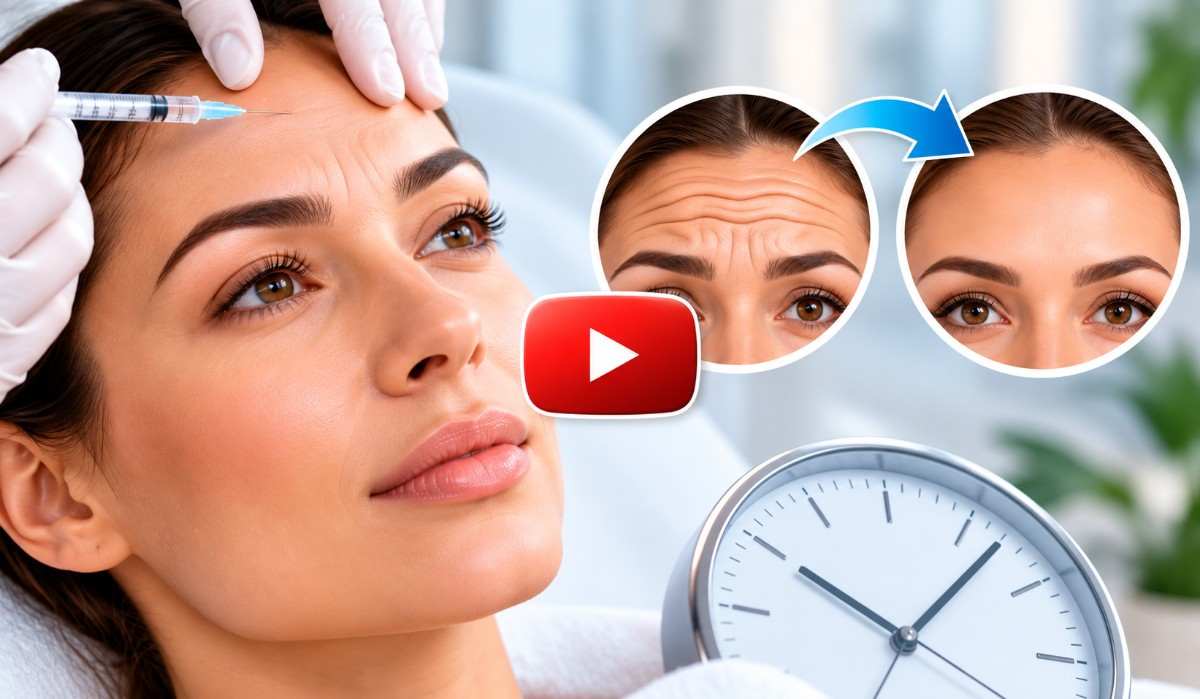
👉 DON’T TRY THIS “HOW LONG DOES BOTOX TAKE TO WORK?” UNTIL YOU SEE THIS
The exact timeline depends on factors such as the treatment area, dosage, individual muscle activity, and personal response to the injections.
Understanding what happens after Botox treatment can help you establish realistic expectations, recognize normal changes, and determine when to discuss your results with a qualified healthcare professional.
This guide explains how long Botox takes to work, its day-by-day timeline, when results become noticeable, how long the effects last, and which factors may influence your treatment experience.
How Does Botox Work?
Botox is a brand name for onabotulinumtoxinA, a purified form of botulinum toxin type A used in carefully controlled medical and cosmetic treatments.
Normally, nerves release a chemical messenger called acetylcholine, which tells muscles when to contract.
When Botox is injected into a targeted muscle, it temporarily blocks the release of this messenger at the neuromuscular junction.
As a result, the treated muscle becomes less active and gradually relaxes. This reduces the repetitive muscle movements that contribute to expression-related wrinkles.
Its primary effect is to temporarily reduce muscle activity. This explains why the treatment requires several days to produce visible changes.
👉 DON’T TRY THIS “HOW LONG DOES BOTOX TAKE TO WORK?” UNTIL YOU SEE THIS
How Long Does It Take for Botox to Start Working?
Most people begin noticing the initial effects of Botox within 1 to 4 days after treatment. The targeted facial muscles gradually relax, helping soften fine lines and wrinkles.
Botox typically produces visible improvements within 3 to 7 days, particularly around the forehead, frown lines, and crow’s feet. Results develop gradually rather than immediately.
During the first week, Botox reduces muscle activity responsible for repeated facial expressions. As these muscles relax, the treated skin may appear smoother and more refreshed.
The full results of Botox generally become visible within 10 to 14 days after treatment. By this stage, wrinkle reduction and muscle relaxation are usually more noticeable.
Botox Results Timeline: What to Expect Day by Day
Understanding the Botox results timeline can help you recognize the changes that may occur after treatment.
Although everyone responds differently, the following timeline provides a general overview of what many people experience.
Day 1: Immediately After Botox Treatment
Immediately after receiving Botox injections, you may notice small bumps, redness, or slight swelling around the injection sites.
These temporary reactions are generally related to the injections rather than the full cosmetic effect of Botox.
You may not see any noticeable reduction in wrinkles on the first day because the medication needs time to affect communication between nerves and muscles.
Your facial expressions may look almost exactly the same as they did before treatment. This is normal and does not necessarily mean the treatment has failed.
Follow your healthcare professional’s aftercare instructions and avoid rubbing or massaging the treated areas.
Days 2–3: Initial Muscle Relaxation
During the second and third days, the targeted muscles may begin responding to Botox.
Some people notice that their forehead movements become slightly less pronounced or that their frown lines appear softer when making facial expressions.
The changes may be subtle and difficult to recognize without comparing photographs. The degree of improvement depends on how quickly your muscles respond to the treatment.
You should not expect every wrinkle to disappear during this stage. Botox works progressively, and the final appearance takes additional time to develop.
Days 4–5: Early Visible Improvements
Between days four and five, many people begin noticing more recognizable changes. The treated muscles may become less active, making certain expression-related wrinkles appear softer.
For example, forehead lines may become less noticeable when raising the eyebrows, while crow’s feet may appear less pronounced when smiling.
The results are not necessarily complete at this stage. Some muscle movement may remain because the medication is still developing its full effect.
Continue following your provider’s instructions and avoid scheduling additional injections simply because you have not achieved your preferred appearance yet.
Days 6–7: Noticeable Changes in Facial Lines
The targeted muscles generally become more relaxed, helping soften wrinkles associated with repeated facial movements.
The forehead may appear smoother, frown lines between the eyebrows may become less prominent, and crow’s feet may be less visible.
Some individuals experience significant changes during the first week, while others continue noticing gradual improvements over the following days.
Days 8–10: Results Continue Developing
Muscle activity in the treated areas becomes more consistently reduced, allowing the cosmetic improvements to become clearer.
You may notice that your forehead looks smoother even when making certain facial expressions. If you received treatment for frown lines, the area between your eyebrows may appear more relaxed.
Remember that the goal is generally to soften unwanted wrinkles while maintaining an appropriate level of natural facial movement.
Days 11–14: Full Results Become Visible
The targeted muscles have generally reached their maximum response to the treatment, and the visible improvements become more consistent.
Your healthcare professional can evaluate the results, assess facial movement, and determine whether any further treatment is appropriate.
If you have concerns about uneven movement, limited improvement, or an unexpected appearance, arrange a follow-up appointment rather than attempting to correct the results yourself.
👉 DON’T TRY THIS “HOW LONG DOES BOTOX TAKE TO WORK?” UNTIL YOU SEE THIS
How Long Does Botox Take to Work on Different Areas?
The time required for Botox to produce visible improvements can vary depending on the muscles being treated and the treatment purpose.
1. How Long Does Botox Take to Work on Forehead Lines?
The forehead contains muscles responsible for raising the eyebrows and creating horizontal expression lines.
When these muscles become less active, the horizontal lines may gradually appear softer. Most people can assess their full cosmetic results around 10 to 14 days after treatment.
The final appearance depends on the depth of existing wrinkles, muscle strength, injection placement, and individual response.
2. How Long Does Botox Take to Work on Frown Lines?
Frown lines, also called glabellar lines, develop between the eyebrows when certain facial muscles contract.
Many people notice improvements within 3 to 5 days, although the results continue developing throughout the first two weeks.
The treatment can help soften the vertical lines that appear when concentrating, squinting, or frowning.
Deeper lines that remain visible even when the face is relaxed may not disappear completely with Botox alone.
3. How Long Does Botox Take to Work on Crow’s Feet?
Crow’s feet are small wrinkles that develop around the outer corners of the eyes, particularly when smiling or squinting.
Some people notice early improvements within 3 to 5 days, with more complete results developing over approximately 10 to 14 days.
The appearance of crow’s feet may become softer while natural facial expressions remain possible when treatment is appropriately administered.
4. How Long Does Botox Take to Work on Neck Bands?
Botox may also be used to address prominent vertical neck bands caused by activity in the platysma muscle.
Initial improvements may become noticeable within several days, while the full response can take around two weeks or longer, depending on the treatment approach.
Neck treatments require careful assessment because the area contains important muscles involved in swallowing and other functions.
Only an appropriately qualified healthcare professional should determine whether this treatment is suitable.
5. How Long Does Botox Take to Work for Excessive Sweating?
Botox is also used for certain cases of excessive sweating, medically known as hyperhidrosis. Unlike cosmetic wrinkle treatment, the primary goal is to reduce sweat production rather than relax facial muscles.
When injected into the affected area, Botox temporarily blocks nerve signals involved in activating sweat glands.
According to the American Academy of Dermatology, many patients notice reduced sweating within approximately 7 to 10 days.
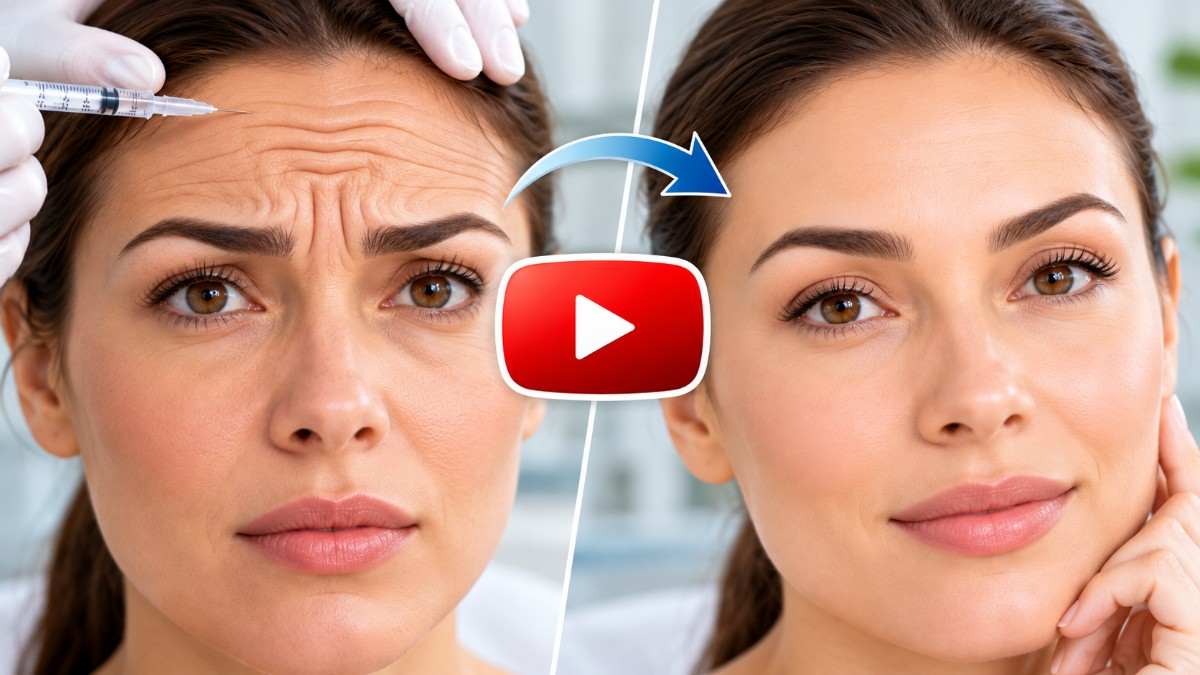
👉 DON’T TRY THIS “HOW LONG DOES BOTOX TAKE TO WORK?” UNTIL YOU SEE THIS
Factors That Affect How Quickly Botox Works
Although Botox generally follows a predictable response pattern, several factors can influence how quickly someone notices improvements.
Understanding these factors can help explain why two people receiving similar treatments may experience different timelines.
1. Treatment Area
Different muscles have different sizes, strengths, and movement patterns. For example, the muscles around the eyes may respond differently from the larger muscles involved in forehead movement.
The treatment area and injection placement can influence when visible improvements become noticeable.
2. Muscle Strength
People with stronger or more active facial muscles may experience a different response from those with less pronounced muscle activity.
The healthcare professional considers the strength and movement of the targeted muscles when determining an appropriate treatment plan.
This is one reason why treatment outcomes should be evaluated individually rather than compared directly with someone else’s results.
3. Dosage and Injection Technique
The amount of Botox used and the placement of injections can influence the treatment response.
An appropriately selected dose is intended to target the necessary muscles while preserving a balanced appearance.
Treatment should always be performed by a qualified professional who understands facial anatomy and the product’s prescribing information.
4. Individual Biological Response
Differences in muscle activity, nerve communication, metabolism, and other individual characteristics may influence the experience.
Some people notice improvements within a few days, while others require closer to two weeks to see the full effect.
5. Previous Botox Treatments
Previous treatment history may influence the appearance and duration of subsequent results. Some individuals report longer-lasting improvements after repeated treatments, although this is not guaranteed.
The response also depends on the muscles being treated, the treatment schedule, and individual circumstances.
6. Severity of Existing Wrinkles
Dynamic wrinkles develop primarily from repeated muscle movements and generally respond more directly to Botox.
Static wrinkles remain visible even when the facial muscles are relaxed. These may be associated with skin aging, collagen changes, and long-term sun exposure.
Botox can soften the muscle activity contributing to these lines, but deeper static wrinkles may require additional approaches.
👉 DON’T TRY THIS “HOW LONG DOES BOTOX TAKE TO WORK?” UNTIL YOU SEE THIS
Does Botox Work Immediately?
No. Botox does not produce its full cosmetic effect immediately after injection. The injections are completed during a relatively short appointment; the medication needs time to affect communication between nerves and targeted muscles.
You may notice temporary redness, small bumps, or mild swelling immediately after treatment, but these changes are not signs that the wrinkle-smoothing effect has already developed.
The initial muscle response generally begins within 1 to 3 days, while visible improvements often become noticeable within 3 to 7 days.
If you do not notice an immediate difference, there is generally no reason to assume the treatment has not worked.
How Long Do Botox Results Last?
For cosmetic wrinkle treatment, Botox results generally last approximately 3 to 4 months, although some people experience effects that last longer.
The duration depends on several factors, including:
-
The treatment area and targeted muscles.
-
The amount of product administered.
-
Individual muscle activity.
-
The severity of existing wrinkles.
-
Previous treatment history.
-
Personal response to the medication.
As the effects gradually wear off, nerve communication with the treated muscles begins returning toward normal.
The muscles gradually regain movement, and expression-related wrinkles may become noticeable again.
People interested in maintaining their results should discuss an appropriate treatment schedule with their healthcare professional.
Repeated injections should not be scheduled more frequently than recommended by the treating professional.
What Happens If Botox Does Not Work After Two Weeks?
If you have not noticed the expected improvement after 14 days, it is reasonable to contact your healthcare professional for an assessment.
Treatment area: The targeted muscles may not have responded as expected, or the wrinkles may involve factors beyond muscle movement.
Injection placement: The location and distribution of injections can influence which muscles are affected.
Muscle strength: Stronger muscles may require an individualized treatment approach.
Wrinkle type: Deep static wrinkles may remain visible even when the underlying muscles are relaxed.
Individual response: Some people experience a less noticeable response to treatment.
Your provider can examine the treated muscles, review the original treatment plan, and discuss appropriate next steps.
Avoid requesting additional injections before the expected assessment period has passed. Giving the treatment sufficient time to develop helps prevent unnecessary treatment and unwanted muscle weakness.
👉 DON’T TRY THIS “HOW LONG DOES BOTOX TAKE TO WORK?” UNTIL YOU SEE THIS
How to Make the Most of Your Botox Results
Although there is no guaranteed way to make Botox work faster, following appropriate aftercare instructions can help support a smooth treatment experience.
1. Follow Your Provider’s Aftercare Instructions
Your healthcare professional should explain what to do and avoid after treatment. Recommendations may include avoiding unnecessary pressure on the injection sites and following specific instructions about physical activities.
2. Avoid Rubbing or Massaging the Treated Area
Avoid rubbing, pressing, or massaging the areas where Botox was injected unless your provider specifically advises otherwise.
This precaution helps minimize unnecessary pressure on the injection sites and supports appropriate post-treatment care.
3. Avoid Strenuous Exercise Immediately After Treatment
The American Academy of Dermatology advises waiting at least two hours before engaging in strenuous physical activity.
Follow your provider’s instructions because recommendations may differ depending on your treatment.
4. Attend Your Follow-Up Appointment
A follow-up appointment allows your provider to evaluate the treatment response and check whether the targeted muscles have relaxed appropriately.
Around 10 to 14 days after treatment is generally a useful time to assess the cosmetic outcome. Your provider can discuss any concerns and determine whether additional care is appropriate.
5. Maintain a Healthy Skincare Routine
Botox addresses muscle-related wrinkles, but it does not replace everyday skincare. Maintaining a consistent routine can help support overall skin health.
Consider incorporating:
-
Broad-spectrum sunscreen to protect against ultraviolet exposure.
-
A moisturizer to support skin hydration.
-
Gentle cleansing products to maintain the skin barrier.
-
Appropriate skincare ingredients recommended by a dermatologist.
-
Healthy lifestyle habits, including adequate sleep and balanced nutrition.
Common Side Effects After Botox Treatment
Botox is generally well tolerated when administered appropriately by a qualified healthcare professional. Most common reactions are temporary and occur around the injection sites.
Potential side effects include:
-
Mild redness around the injection area.
-
Temporary swelling.
-
Bruising or tenderness.
-
Headache.
-
Local discomfort.
-
Temporary eyelid or eyebrow drooping.
-
Eye irritation, depending on the treatment area.
Minor injection-site reactions often improve within a few days. Certain symptoms require immediate medical attention.
Seek emergency medical care if you experience difficulty breathing, swallowing, or speaking, significant muscle weakness, or blurred or double vision.
Choose a qualified, licensed healthcare professional who has appropriate training in botulinum toxin injections. Avoid products from unverified sources and never attempt to inject Botox yourself.
Botox Before and After: When Can You See the Difference?
Before-and-after photographs can help people understand the gradual improvements associated with Botox.
Before treatment, forehead lines, frown lines, and crow’s feet may become more noticeable during facial expressions.
During the first few days, changes may be subtle because the targeted muscles are only beginning to respond.
After approximately one week, many people notice that the treated wrinkles appear softer. By around two weeks, the full cosmetic response is generally easier to evaluate.
Botox vs. Other Wrinkle Treatments: How Quickly Do They Work?
Botox is not the only option available for improving the appearance of wrinkles. Other cosmetic treatments work through different mechanisms and have different timelines.
| Treatment | Approximate Time to Notice Results |
|---|---|
| Botox | 3–7 days; full results around 10–14 days |
| Dermal fillers | Often immediate, with swelling settling afterward |
| Retinol skincare | Several weeks to months |
| Hyaluronic acid moisturizer | Hydration may improve immediately |
| Microneedling | Several weeks as skin heals |
| Chemical peels | Depends on peel depth and healing |
| Laser resurfacing | Several weeks or longer |
Retinol and other skincare ingredients work through different skin-related mechanisms and generally require consistent use.
The most appropriate treatment depends on the type of wrinkles, skin condition, cosmetic goals, and individual health circumstances.
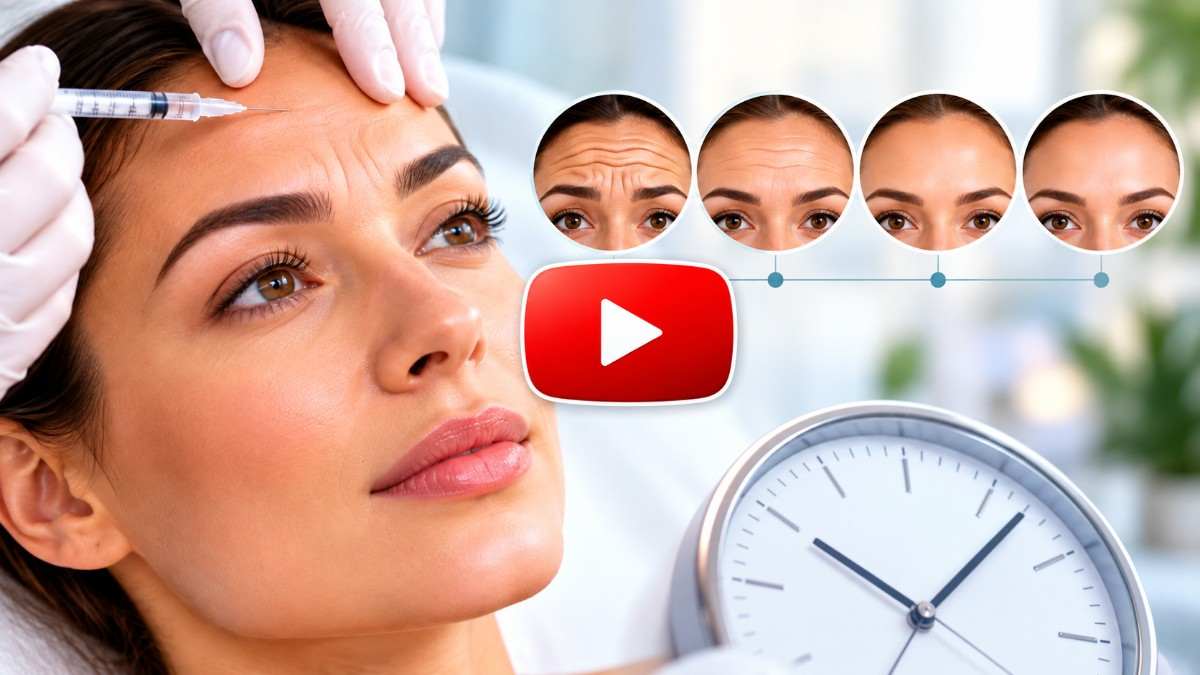
👉 DON’T TRY THIS “HOW LONG DOES BOTOX TAKE TO WORK?” UNTIL YOU SEE THIS
Common Myths About How Long Botox Takes to Work
The difference between common myths and realistic expectations can help people make informed decisions.
Myth 1: Botox Works Immediately
Fact: Botox does not provide its full cosmetic effect immediately. The targeted muscles need time to respond, and noticeable improvements commonly develop over several days.
Myth 2: More Botox Always Produces Faster Results
Fact: Increasing the amount does not automatically accelerate the treatment response. Appropriate dosage depends on the treatment area, muscle strength, and individual needs.
Myth 3: Botox Removes Every Type of Wrinkle
Fact: Botox primarily targets wrinkles associated with repeated muscle contractions. Deep static wrinkles may remain visible even after the muscles relax.
Myth 4: Everyone Sees Results Within Three Days
Fact: Some people notice early changes within a few days, but others need closer to two weeks to assess the full effect.
Myth 5: Botox Results Last Forever
Fact: Botox produces temporary improvements. Facial muscles gradually regain activity as the effects wear off, and wrinkles may become visible again.
Final Thoughts
Understanding how long it takes for Botox to work helps you set realistic expectations and feel confident about your cosmetic treatment.
Botox gradually relaxes facial muscles to reduce the appearance of fine lines and wrinkles. Most people notice visible improvements within 3 to 7 days, while full Botox results typically develop within 10 to 14 days.
The exact Botox results timeline depends on muscle strength, treatment area, dosage, and individual response.
Choosing an experienced healthcare professional helps ensure appropriate treatment and natural-looking results.
Botox generally provides 3 to 4 months of temporary wrinkle-smoothing effects, making it a popular option for managing expression lines.
👉 DON’T TRY THIS “HOW LONG DOES BOTOX TAKE TO WORK?” UNTIL YOU SEE THIS
.
.
.
.
References
https://www.aad.org/public/cosmetic/wrinkles/botulinum-toxin-faqs
https://my.clevelandclinic.org/health/treatments/8312-botulinum-toxin-injections
https://www.mayoclinic.org/tests-procedures/botox/about/pac-20384658
.
.
.
About Us
