
Mullein Leaf Extract for Lungs: Does It Really Work?
Mullein leaf extract for lungs is a popular herbal supplement traditionally used for coughs, throat irritation, and respiratory discomfort.
It contains natural plant compounds that may have soothing, antioxidant, and anti-inflammatory properties.
However, scientific research has not established that mullein extract removes mucus, detoxifies the lungs, or repairs damaged lung tissue.
Mullein, scientifically known as Verbascum thapsus, has a long history in traditional herbal medicine. Today, mullein lung drops, herbal teas, and concentrated extracts are widely discussed in natural wellness communities.
Interest in mullein has also increased through social media discussions about smokers’ lungs, mucus buildup, and natural respiratory cleansing.
👉DON’T TRY THIS “MULLEIN LEAF EXTRACT FOR LUNGS” UNTIL YOU SEE THIS
This guide examines the potential benefits of mullein leaf extract, how it works, popular lung detox trends, scientific evidence, safety precautions, and practical ways to support respiratory health.
What Is Mullein Leaf Extract?
Mullein leaf extract is a concentrated herbal preparation derived from the leaves of the common mullein plant.
The plant is known for its soft, fuzzy leaves and tall flowering stalks with small yellow blossoms. Historically, herbal practitioners prepared mullein leaves as teas and infusions for respiratory complaints.
Modern mullein supplements are available in several forms, including:
- Liquid mullein leaf extract and tinctures
- Alcohol-free mullein lung drops
- Mullein leaf capsules
- Dried mullein herbal tea
- Multi-ingredient respiratory supplements
These preparations differ in concentration, extraction method, and chemical composition.
Importantly, traditional herbal use does not automatically establish clinical effectiveness.
How Does Mullein Leaf Extract Work for Lung Health?
Researchers have identified several naturally occurring compounds in mullein that may help explain its traditional respiratory applications.
1. Mucilage for Soothing Irritated Tissues
Mullein contains mucilage, a plant substance that becomes slippery when mixed with water.
Mucilage-containing preparations may provide temporary soothing comfort for irritated throat tissues.
However, this does not demonstrate that mullein coats the lungs or repairs damaged airways.
2. Saponins and Mucus Support
Saponins are plant compounds associated with expectorant activity in some traditional herbal preparations.
Expectorants help make respiratory secretions easier to expel through coughing.
Although mullein has historically been described as an expectorant, reliable human trials confirming significant mucus clearance are lacking.
👉DON’T TRY THIS “MULLEIN LEAF EXTRACT FOR LUNGS” UNTIL YOU SEE THIS
3. Antioxidant and Anti-Inflammatory Compounds
Mullein contains flavonoids, phenolic compounds, and other phytochemicals that researchers have investigated for biological activity.
Laboratory studies suggest that certain extracts demonstrate antioxidant and anti-inflammatory effects.
Nevertheless, these findings do not show that oral mullein supplements improve lung function in humans.
Potential Benefits of Mullein Leaf Extract for Lungs
➢ May Soothe Cough-Related Throat Irritation
Warm mullein tea may provide temporary comfort when coughing irritates the throat.
The soothing experience may result partly from the warmth and hydration provided by the beverage.
➢ Traditionally Used for Chest Congestion
Mullein has historically been used for productive coughs and respiratory congestion.
However, evidence remains insufficient to determine whether mullein extracts effectively loosen mucus in humans.
➢ Provides Natural Antioxidant Compounds
Mullein contains plant chemicals that show antioxidant activity in laboratory settings.
Whether these compounds produce meaningful respiratory benefits at ordinary supplement doses remains uncertain.
➢ May Complement Healthy Respiratory Habits
Unsweetened mullein tea can support hydration, which helps maintain normal mucus consistency.
It should complement, rather than replace, appropriate medical treatment.
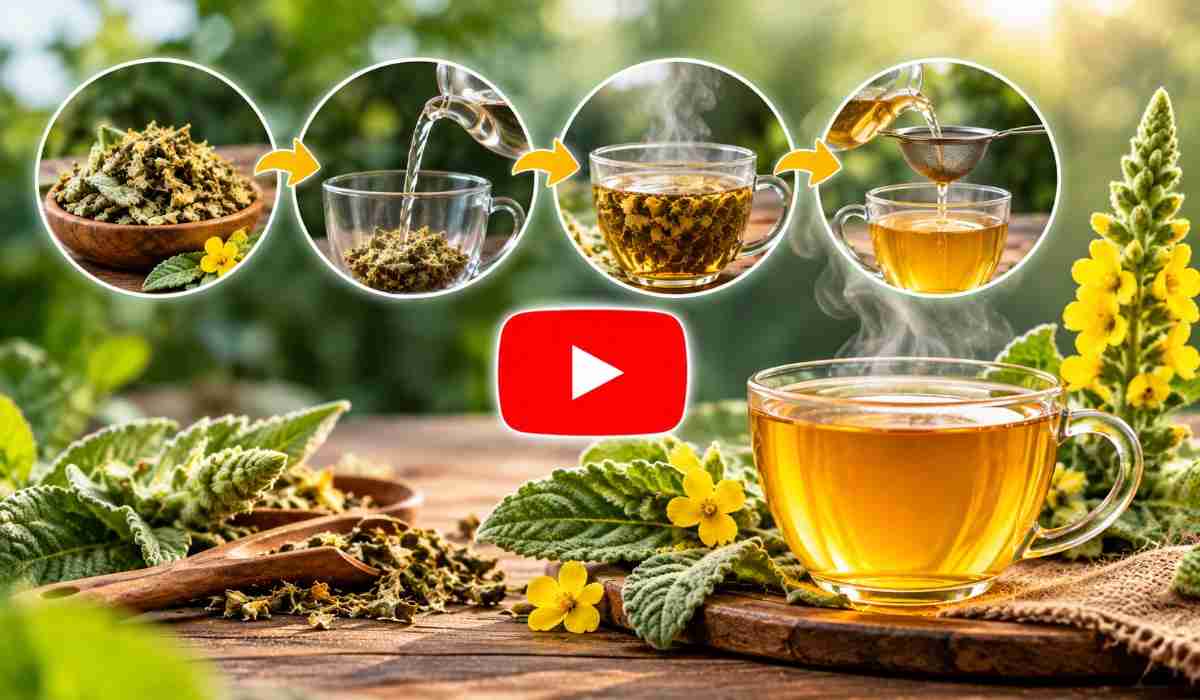
👉DON’T TRY THIS “MULLEIN LEAF EXTRACT FOR LUNGS” UNTIL YOU SEE THIS
Mullein Leaf Extract for Mucus: Can It Clear Phlegm?
People looking for natural ways to clear mucus from the lungs often encounter mullein supplements.
Mucus serves an important protective function by trapping inhaled dust, microorganisms, and environmental particles.
Tiny structures called cilia help transport mucus upward through the respiratory passages.
Smoking, infections, allergies, and chronic respiratory diseases can interfere with this process.
Although mullein is traditionally promoted for mucus clearance, clinical studies have not established a dependable therapeutic dose.
Persistent mucus production requires attention to its underlying cause.
Mullein Leaf Extract for Smokers: Can It Clean Smokers’ Lungs?
Mullein lung detox products are frequently marketed toward smokers and former smokers.
Some ads claim concentrated mullein drops remove accumulated tar or reverse years of smoking damage.
No convincing clinical evidence shows that mullein removes tobacco tar, reverses emphysema, or regenerates destroyed lung tissue.
Smoking cessation remains the most important step toward preventing additional tobacco-related damage.
After quitting, airway inflammation may gradually decrease, and natural mucus clearance can improve.
Former smokers experiencing persistent coughing, wheezing, or breathlessness should seek medical evaluation.
Viral Mullein Lung Detox Trends in 2026
✅ Trend 1: Seven-Day Mullein Lung Cleanse
Online wellness challenges encourage drinking mullein tea daily for seven days.
Although warm herbal beverages may soothe throat discomfort, no established seven-day lung detoxification process exists.
👉DON’T TRY THIS “MULLEIN LEAF EXTRACT FOR LUNGS” UNTIL YOU SEE THIS
✅ Trend 2: Mullein Drops for Smokers’ Lungs
Concentrated mullein tinctures are promoted as convenient respiratory cleansing products.
Their popularity does not prove effectiveness, and higher concentrations do not necessarily improve outcomes.
✅ Trend 3: Mullein and Honey Cough Drink
Some home-remedy videos combine mullein tea with honey.
Honey may soothe certain cough symptoms, but adding mullein hasn’t been shown to improve the drink’s effectiveness.
Honey should never be given to children younger than twelve months.
✅ Trend 4: Mullein Steam Inhalation
Another viral technique involves adding mullein leaves to steaming water.
Insufficient evidence supports this practice, and inhaling hot steam poses a burn risk.
Mullein Leaf Extract vs. Mullein Tea: Which Is Better?
| Feature | Mullein Extract | Mullein Tea |
| Preparation | Concentrated liquid | Steeped leaves |
| Convenience | Portable drops | Requires preparation |
| Strength | Varies by formulation | Varies by brewing |
| Hydration | Minimal contribution | Provides fluids |
| Proven lung benefits | Not established | Not established |
Neither preparation has demonstrated superior effectiveness for treating respiratory disease.
Consumers should prioritize product quality, clear labeling, and appropriate safety precautions.
How to Use Mullein Leaf Extract Safely
There is no clinically established mullein dosage for lung cleansing or respiratory disease treatment.
For safer use, consider these practical recommendations:
- Liquid extracts: Follow the manufacturer’s instructions and consult a healthcare professional before regular use.
- Herbal tea: Use correctly identified mullein leaves and strain thoroughly to remove irritating plant hairs.
- Capsules: Select products with transparent ingredient lists and independent quality testing.
Avoid smoking mullein leaves or inhaling concentrated herbal oils.
Never add mullein tinctures to nebulizers, inhalers, or other respiratory medical devices.
👉DON’T TRY THIS “MULLEIN LEAF EXTRACT FOR LUNGS” UNTIL YOU SEE THIS
Mullein Leaf Extract Side Effects and Risks
Although mullein has a history of traditional use, comprehensive human safety research remains limited.
Potential concerns include allergic reactions, skin irritation, digestive discomfort, and contamination in poorly manufactured supplements.
Pregnant or breastfeeding individuals should avoid medicinal mullein products unless advised otherwise by qualified healthcare professionals.
People taking prescription medications should discuss possible interactions with their pharmacist or physician.
Seek immediate medical attention for severe breathlessness, chest pain, or coughing blood.
Common Mistakes When Using Mullein for Lungs
Consumers sometimes misunderstand what herbal respiratory supplements can realistically accomplish.
Common mistakes include:
- Expecting mullein to remove lung toxins within days.
- Replacing prescribed asthma or COPD medication with herbal extracts.
- Assuming higher supplement doses provide stronger benefits.
- Believing laboratory findings prove effectiveness in humans.
- Ignoring persistent respiratory symptoms while trying home remedies.
Understanding these limitations helps prevent unnecessary risks and unrealistic expectations.
Evidence-Based Tips to Support Healthy Lungs Naturally
Protecting respiratory health involves reducing harmful exposures and supporting normal airway function.
Stop smoking: Avoiding tobacco smoke helps prevent additional lung damage and supports natural recovery processes.
Stay hydrated: Drinking enough fluids supports normal mucus consistency and overall respiratory comfort.
Improve indoor air: Reduce dust, mold, smoke, and other pollutants whenever possible.
Exercise regularly: Appropriate physical activity supports cardiovascular fitness and breathing endurance.
Manage respiratory conditions: Follow recommended treatments for asthma, COPD, allergies, or recurring infections.
These approaches offer stronger scientific support than unproven lung detox challenges.
Conclusion: Is Mullein Leaf Extract Good for Lungs?
Mullein leaf extract for lungs remains a popular traditional herbal preparation associated with cough comfort, mucus support, and respiratory wellness.
Its natural compounds show promising activity in laboratory studies, but clinical evidence for meaningful improvements in lung function remains limited.
Viral lung detox claims, smoker’s lung cleansing routines, and rapid mucus removal promises should therefore be approached cautiously.
Individuals considering mullein should prioritize reputable products, appropriate medical guidance, and realistic expectations.
Ultimately, avoiding smoking, maintaining clean air, staying physically active, and following evidence-based respiratory care offer more dependable ways to protect long-term lung health.
👉DON’T TRY THIS “MULLEIN LEAF EXTRACT FOR LUNGS” UNTIL YOU SEE THIS
References
- Wikipedia — Verbascum thapsus (Common Mullein)
https://en.wikipedia.org/wiki/Verbascum_thapsus
- Healthline — Mullein Tea: Benefits, Side Effects, and Uses
https://www.healthline.com/nutrition/mullein-tea
- PubMed — Health-Promoting and Disease-Mitigating Potential of Verbascum thapsus: A Review
https://pubmed.ncbi.nlm.nih.gov/35088467/
About Us
