
7 Signs of COPD Getting Worse: Symptoms & Warning Signs
Chronic obstructive pulmonary disease (COPD) is a progressive lung condition that affects millions of people worldwide.
Recognizing the 7 signs of COPD getting worse can help patients identify changes in their breathing, respond to flare-ups, and seek appropriate medical care before complications develop.
The most common warning signs include increasing shortness of breath, persistent coughing, changes in mucus, frequent respiratory infections, worsening fatigue, wheezing, and declining ability to perform everyday activities.
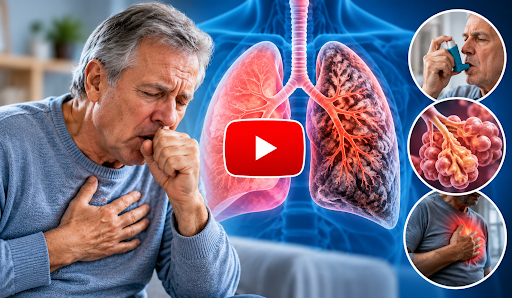
👉 DON’T TRY THIS “7 SIGNS OF COPD GETTING WORSE” UNTIL YOU SEE THIS
Understanding the 7 signs of COPD getting worse, including breathing changes, persistent coughing, mucus buildup, worsening symptoms, potential complications, and when to seek medical care, is essential for managing long-term lung health.
What Happens When COPD Gets Worse?
COPD is a long-term respiratory condition that includes chronic bronchitis and emphysema. It causes airflow limitation, making it increasingly difficult for air to move in and out of the lungs.
Over time, chronic inflammation, airway narrowing, and damage to lung tissue can reduce the lungs’ ability to function efficiently.
When COPD worsens, individuals may experience greater breathing difficulties, increased mucus production, reduced exercise tolerance, and more frequent respiratory symptoms.
Recognizing the difference between gradual COPD progression and an acute exacerbation is essential for choosing the appropriate response.
7 Signs of COPD Getting Worse
The following seven warning signs may indicate that COPD symptoms are becoming more severe or that an exacerbation is developing.
1. Increasing Shortness of Breath
Shortness of breath, medically known as dyspnea, is one of the most recognizable symptoms of COPD.
During earlier stages, breathing difficulties may occur primarily during exercise, climbing stairs, or other physically demanding activities.
Common warning signs include:
-
Feeling breathless while walking short distances.
-
Needing frequent breaks during ordinary activities.
-
Experiencing difficulty breathing while getting dressed.
-
Taking longer to recover after physical exertion.
-
Becoming breathless during previously manageable tasks.
These changes can indicate worsening airflow limitation, but they may also result from infection, heart problems, or other medical conditions.
Sudden or severe breathlessness requires urgent evaluation, especially when accompanied by chest pain, confusion, or bluish lips.
👉 DON’T TRY THIS “7 SIGNS OF COPD GETTING WORSE” UNTIL YOU SEE THIS
2. Persistent Coughing That Becomes More Severe
A chronic cough is common among people living with COPD, particularly those with chronic bronchitis.
Others experience coughing episodes that interfere with sleep, physical activity, or normal conversations.
Signs to monitor include:
-
Coughing more frequently than usual.
-
Experiencing longer coughing episodes.
-
Developing a new nighttime cough.
-
Having difficulty clearing mucus.
-
Noticing a sudden change in the usual cough pattern.
Increased coughing may result from airway inflammation, respiratory infections, environmental irritants, or a COPD exacerbation.
A healthcare professional can determine whether additional testing or changes to treatment are necessary.
3. Changes in Mucus Color, Thickness, or Amount
Mucus production is another important indicator of respiratory health in people with COPD.
Healthy airways naturally produce mucus to trap inhaled particles and microorganisms. However, COPD can increase mucus production and make clearing secretions more difficult.
During worsening respiratory symptoms, individuals may notice that their mucus becomes thicker, more abundant, or harder to cough up.
Important changes include:
-
Producing more mucus than normal.
-
Experiencing unusually thick secretions.
-
Having difficulty coughing mucus out.
-
Noticing changes in mucus color.
-
Developing mucus changes alongside fever or worsening breathlessness.
Coughing up blood should always receive medical attention, particularly when it is new, persistent, or accompanied by breathing difficulties.
4. Frequent Respiratory Infections and COPD Flare-Ups
People with COPD may experience respiratory infections that worsen existing lung symptoms.
Common infections include influenza, COVID-19, pneumonia, and other viral or bacterial respiratory illnesses.
Warning signs of frequent flare-ups include:
-
Repeated episodes of worsening breathlessness.
-
Increased coughing during respiratory illnesses.
-
More frequent need for prescribed rescue medication.
-
Repeated courses of treatment for exacerbations.
-
Emergency visits or hospitalizations related to breathing problems.
Preventive measures such as recommended vaccinations, smoking cessation, and adherence to prescribed inhaler therapy may help reduce exacerbation risk.
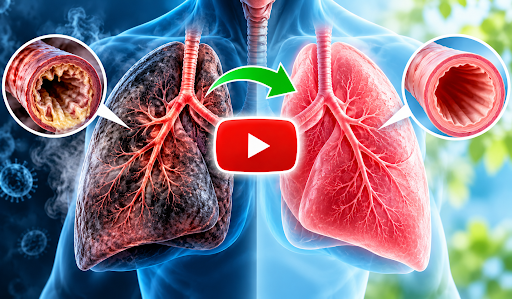
👉 DON’T TRY THIS “7 SIGNS OF COPD GETTING WORSE” UNTIL YOU SEE THIS
5. Extreme Fatigue and Reduced Energy Levels
Persistent fatigue can become increasingly noticeable as COPD symptoms worsen.
Breathing requires muscular effort, and people with significant airflow limitation may use additional energy to maintain adequate ventilation.
Poor sleep, reduced physical activity, anxiety, and other medical conditions can further contribute to tiredness.
Common symptoms include:
-
Feeling unusually tired throughout the day.
-
Experiencing weakness during ordinary activities.
-
Requiring additional rest periods.
-
Having difficulty maintaining normal routines.
-
Feeling exhausted after minimal physical exertion.
Other possible causes include anemia, medication effects, sleep disorders, heart disease, and depression.
6. Increased Wheezing and Chest Tightness
Wheezing is a high-pitched breathing sound that occurs when air moves through narrowed airways.
As respiratory symptoms worsen, wheezing may become more noticeable or occur more frequently.
Potential warning signs include:
-
Wheezing more frequently than usual.
-
Developing wheezing while resting.
-
Experiencing greater chest tightness.
-
Noticing worsening symptoms during the night.
-
Finding that prescribed rescue treatment provides less relief than expected.
Importantly, new or severe chest pressure should never be assumed to be caused by COPD, because it may indicate a cardiac emergency.
7. Difficulty Performing Everyday Activities
A noticeable decline in physical ability is another important sign that COPD may be worsening.
As breathing becomes more difficult, everyday tasks may require greater effort and longer recovery periods.
Unfortunately, prolonged inactivity can contribute to muscle weakness and further reduce exercise tolerance.
Changes worth discussing with a healthcare professional include:
-
Walking shorter distances than previously possible.
-
Taking longer to complete routine household tasks.
-
Avoiding activities because of breathlessness.
-
Requiring more assistance with personal care.
-
Experiencing increasing difficulty leaving home.
Pulmonary rehabilitation, appropriate exercise, and optimized medical treatment can help many people maintain functional independence.
How to Tell if COPD Is Progressing or Just Flaring Up
COPD progression and COPD exacerbations can produce similar symptoms, but they develop differently.
Gradual progression generally occurs over months or years, while an exacerbation involves a relatively sudden worsening of respiratory symptoms, usually over several days.
| COPD progression | COPD flare-up |
|---|---|
| Symptoms gradually worsen | Symptoms worsen suddenly |
| Exercise tolerance slowly declines | Breathing becomes noticeably harder |
| Daily activities become more challenging | Coughing and mucus may increase |
| Changes develop over months or years | Changes develop over hours or days |
| Requires reassessment of long-term treatment | May require prompt medical treatment |
A healthcare professional may use spirometry, symptom assessments, medical history, and other tests to evaluate changes in lung function.
Importantly, sudden breathlessness should not automatically be attributed to COPD because pneumonia, pulmonary embolism, and heart problems can produce similar symptoms.
What Are the Signs of Severe COPD?
Advanced COPD can cause substantial limitations in breathing and physical activity. Some people experience breathlessness while resting, significant exercise intolerance, or repeated exacerbations requiring hospitalization.
Other possible complications include unintentional weight loss, muscle weakness, low blood oxygen levels, and pulmonary hypertension.
Clinicians consider lung function, symptom burden, exacerbation history, oxygen levels, and other health conditions when assessing disease severity.
👉 DON’T TRY THIS “7 SIGNS OF COPD GETTING WORSE” UNTIL YOU SEE THIS
When Should You Seek Emergency Medical Help?
Certain symptoms indicate a potentially life-threatening respiratory or cardiovascular emergency.
Call 911 or your local emergency number immediately if you experience:
-
Severe breathlessness or inability to speak complete sentences.
-
Blue or gray lips, fingernails, or skin.
-
New confusion, fainting, or significantly reduced alertness.
-
Severe chest pain or pressure.
-
Rapidly worsening breathing that does not respond to prescribed rescue treatment.
Do not wait for all seven warning signs to appear. Even one severe symptom may require immediate treatment.
For less severe but clearly worsening symptoms, contact your healthcare professional promptly and follow your personalized COPD action plan.
How to Prevent COPD From Getting Worse
Although existing structural lung damage is not generally reversible, appropriate management can reduce symptoms and help prevent exacerbations.
Stop Smoking and Avoid Lung Irritants
- Smoking cessation is among the most effective interventions for slowing COPD-related lung function decline.
- Avoid secondhand smoke, chemical fumes, dust, and other respiratory irritants whenever possible.
Take Prescribed COPD Medications
- Maintenance inhalers help manage symptoms and may reduce exacerbation risk.
- Use medications exactly as prescribed, and ask your healthcare professional to review your inhaler technique.
Participate in Pulmonary Rehabilitation
- Pulmonary rehabilitation combines supervised exercise, education, and breathing-management strategies.
- It can improve exercise tolerance, reduce breathlessness, and support everyday functioning.
Stay Current With Recommended Vaccinations
- Influenza, pneumococcal, COVID-19, and RSV vaccinations may be recommended depending on age, medical history, and eligibility.
- Vaccination can help reduce the risk of respiratory infections and related complications.
Monitor Symptoms Regularly
- Keep track of breathing difficulties, coughing, mucus changes, activity tolerance, and rescue inhaler use.
- Recognizing changes from your usual symptoms can help you respond earlier to possible exacerbations.
Conclusion
Recognizing the 7 signs of COPD getting worse is an important part of managing chronic obstructive pulmonary disease.
Increasing shortness of breath, persistent coughing, mucus changes, frequent infections, unusual fatigue, wheezing, and declining physical ability can indicate worsening respiratory health.
Early medical assessment, consistent treatment, pulmonary rehabilitation, smoking cessation, and preventive care can help people with COPD maintain better symptom control and quality of life.
The most important approach is to understand your usual breathing pattern, recognize meaningful changes, and seek medical attention when symptoms become more severe.
👉 DON’T TRY THIS “7 SIGNS OF COPD GETTING WORSE” UNTIL YOU SEE THIS
References
https://en.wikipedia.org/wiki/Chronic_obstructive_pulmonary_disease
https://www.healthline.com/health/copd
https://pubmed.ncbi.nlm.nih.gov/?term=early+warning+signs+COPD+exacerbation
About Us
