
Can Your Lungs Heal From Smoking? Recovery Timeline & Tips
Smoking can damage the lungs over time, but can your lungs heal from smoking after you quit? The answer is yes, to a certain extent.
Your lungs have natural repair mechanisms that begin working after smoking stops. However, the amount of recovery depends on how long you smoked, the severity of existing damage, and your overall respiratory health.
Quitting smoking allows the lungs to gradually reduce inflammation, improve mucus clearance, and restore some normal respiratory functions.
This guide explains how lungs heal after quitting smoking, the lung recovery timeline, signs of improvement, possible long-term damage, and evidence-based ways to support healthier breathing.
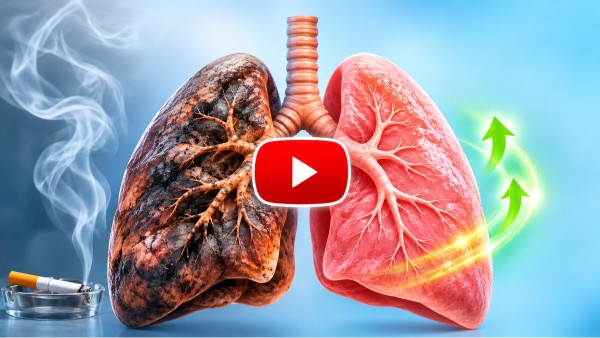
👉 DON’T TRY THIS “CAN YOUR LUNGS HEAL FROM SMOKING” UNTIL YOU SEE THIS
Understanding whether your lungs can heal from smoking, the recovery timeline after quitting, signs of lung repair, permanent damage, and evidence-based ways to improve respiratory health is essential for making informed health decisions.
Can Your Lungs Heal From Smoking Naturally?
Yes, the lungs can recover some of their normal functions naturally after you stop smoking. The respiratory system contains protective mechanisms that help remove inhaled particles, repair certain injured cells, and defend against infections.
Cigarette smoke contains thousands of chemicals, including substances that irritate the airways and damage delicate lung tissue.
When smoking stops, the lungs are no longer exposed to repeated cigarette smoke, allowing several recovery processes to begin.
These improvements may include:
-
Reduced inflammation in the airways.
-
Improved movement of mucus-clearing cilia.
-
Better respiratory comfort and exercise tolerance.
-
Less coughing and wheezing over time.
-
Slower progression of smoking-related lung damage.
However, lung recovery does not necessarily mean the lungs return to their original condition. Some changes improve considerably, while others may remain permanent.
What Happens to Your Lungs When You Smoke?
Smoking affects several important parts of the respiratory system, including the airways, alveoli, blood vessels, and protective cells.
Damage to the Airways
- Cigarette smoke irritates the bronchial tubes, triggering inflammation and increased mucus production. Over time, the airways may become narrowed, making breathing more difficult.
- Persistent irritation can contribute to chronic bronchitis, characterized by frequent coughing and excessive mucus.
Damage to Lung Air Sacs
- The lungs contain millions of tiny air sacs called alveoli. These structures transfer oxygen into the bloodstream and remove carbon dioxide.
- Long-term smoking can destroy alveolar walls, producing emphysema. Unlike temporary inflammation, this structural damage is generally irreversible.
Reduced Natural Lung Cleaning
- Healthy airways contain microscopic hair-like structures called cilia. They move mucus, dust, and inhaled particles toward the throat for removal.
- Smoking damages these structures, allowing mucus and pollutants to accumulate more easily.
👉 DON’T TRY THIS “CAN YOUR LUNGS HEAL FROM SMOKING” UNTIL YOU SEE THIS
How Long Does It Take for Lungs to Heal After Quitting Smoking?
Lung recovery begins relatively quickly, although meaningful improvements develop over different periods. The following timeline describes common changes after smoking cessation.
Lung Recovery Timeline After Quitting Smoking
Within 24–48 Hours
Carbon monoxide levels decrease toward normal, improving the blood’s ability to carry oxygen. This is an early cardiovascular and oxygen-delivery benefit rather than complete lung repair.
2 Weeks to 3 Months
Circulation and lung function may begin improving. Some people notice easier breathing and better exercise tolerance.
1 to 9 Months
Coughing and shortness of breath often decrease as airway irritation improves and cilia regain some ability to clear mucus.
1 to 5 Years
Continued abstinence reduces several smoking-related health risks. The degree of lung recovery depends on whether chronic respiratory disease is present.
10 Years and Beyond
Lung cancer risk becomes substantially lower than if smoking had continued. However, former smokers may retain elevated risks compared with people who never smoked.
Can Lungs Completely Heal After 20 or 30 Years of Smoking?
People who have smoked for decades often wonder whether quitting can still make a meaningful difference.
The answer is yes. Even after 20 or 30 years of smoking, stopping tobacco exposure can improve respiratory symptoms and reduce future health risks.
For example, someone with smoking-related airway inflammation may experience substantial improvement after quitting.
In contrast, someone with advanced emphysema may continue experiencing breathing limitations because destroyed alveoli do not regenerate normally.
There is no age or smoking-history threshold beyond which quitting becomes useless. Long-term smokers can benefit from stopping at any stage.
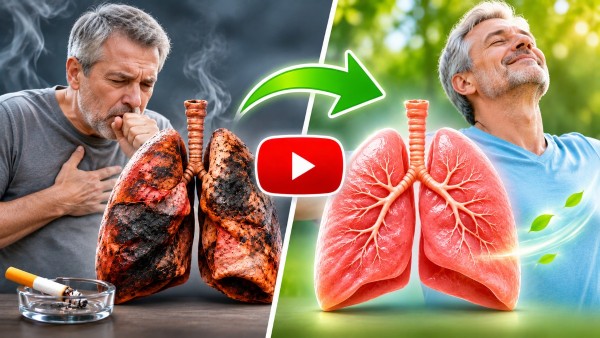
👉 DON’T TRY THIS “CAN YOUR LUNGS HEAL FROM SMOKING” UNTIL YOU SEE THIS
7 Signs Your Lungs Are Healing After Quitting Smoking
The recovery process is different for everyone. However, several changes may suggest that respiratory health is improving.
1. Reduced Shortness of Breath
As airway irritation decreases, everyday activities such as walking, climbing stairs, or exercising may become easier.
2. Less Frequent Coughing
Some people initially experience increased coughing as mucus clearance improves. Over time, smoking-related coughing often becomes less frequent.
3. Improved Mucus Clearance
Recovering cilia help transport mucus and trapped particles out of the respiratory passages. This can reduce mucus accumulation.
4. Better Exercise Endurance
Improved circulation and respiratory function may make physical activities more comfortable. Regular exercise can further support cardiovascular fitness.
5. Reduced Wheezing
Wheezing associated with airway irritation may decrease after smoking cessation. Persistent wheezing, however, requires medical evaluation.
6. Fewer Respiratory Infections
Quitting smoking improves respiratory defenses and reduces the likelihood of certain infections, including bronchitis and pneumonia.
7. Easier Breathing During Daily Activities
People may gradually notice improved breathing comfort while performing household activities, working, or spending time outdoors.
How to Help Your Lungs Heal After Smoking Naturally
Although no home remedy can completely reverse smoking-related lung damage, several evidence-based habits can support respiratory health.
1. Stop Smoking Completely
- The most effective way to protect your lungs is to eliminate cigarette smoke exposure.
- Nicotine replacement therapy, prescription cessation medications, behavioral counseling, and structured quit programs can improve the chances of successfully quitting.
2. Practice Regular Physical Activity
- Walking, cycling, swimming, and other suitable aerobic activities improve cardiovascular fitness and muscular endurance.
- Exercise does not regenerate destroyed lung tissue, but it can help the body use available oxygen more efficiently.
3. Stay Properly Hydrated
- Adequate fluid intake supports normal mucus consistency and general respiratory comfort.
- Drinking water does not directly detoxify the lungs, but dehydration may make respiratory secretions thicker and more difficult to clear.
4. Eat Antioxidant-Rich Foods
- Fruits, vegetables, whole grains, nuts, and other nutritious foods provide vitamins and antioxidant compounds.
- A balanced diet supports normal immune function and overall tissue health. However, individual foods cannot reverse emphysema or eliminate accumulated smoking damage.
5. Avoid Secondhand Smoke
- Exposure to tobacco smoke from other people can continue irritating the respiratory system.
- Maintaining smoke-free indoor environments helps reduce exposure to harmful particles and chemicals.
6. Improve Indoor Air Quality
- Good ventilation, controlling indoor pollutants, and using suitable air filtration may help reduce respiratory irritation.
- Avoid unnecessary exposure to dust, chemical fumes, strong fragrances, and smoke from burning materials.
7. Follow Recommended Respiratory Care
- People with asthma, COPD, or persistent respiratory symptoms may benefit from prescribed inhalers, pulmonary rehabilitation, vaccinations, and regular medical monitoring.
- These approaches support breathing and disease management rather than promising complete lung regeneration.
Can You Clean Your Lungs After Smoking?
Many online articles promote lung detox drinks, herbal teas, steam inhalation, and supplements as methods for cleaning smokers’ lungs.
However, no scientifically established drink, supplement, or detox program removes years of smoking damage from the lungs.
The lungs already possess natural clearance mechanisms involving mucus, cilia, immune cells, and normal breathing.
Warm drinks may soothe throat irritation, while adequate hydration can support normal mucus consistency. Neither approach reverses permanent structural damage.
The most effective lung-protection strategy remains smoking cessation combined with appropriate healthcare.
👉 DON’T TRY THIS “CAN YOUR LUNGS HEAL FROM SMOKING” UNTIL YOU SEE THIS
Can Lungs Heal From Smoking if You Have COPD?
People diagnosed with chronic obstructive pulmonary disease often experience persistent airflow limitation caused by airway abnormalities and damaged lung tissue.
Smoking cessation can slow the progression of airflow limitation, reduce respiratory symptoms, and lower the likelihood of exacerbations.
Medical management may include bronchodilator medications, pulmonary rehabilitation, vaccinations, and oxygen therapy when clinically indicated.
A healthcare professional can assess lung function using spirometry, a breathing test that measures airflow.
Does Lung Cancer Risk Decrease After Quitting Smoking?
Yes. Lung cancer risk gradually decreases after smoking cessation, although it may remain higher than the risk among people who have never smoked.
The CDC reports that the added risk of lung cancer drops by approximately half after 10–15 years compared with continued smoking.
In the United States, annual low-dose CT screening is generally recommended for eligible adults aged 50–80 with at least a 20-pack-year smoking history who currently smoke or quit within the past 15 years.
When Should You See a Doctor After Quitting Smoking?
Some coughing and mucus changes can occur during early recovery. However, persistent or worsening symptoms should not automatically be attributed to healing.
Seek medical evaluation if you experience:
-
A cough that persists or progressively worsens.
-
Frequent wheezing or unexplained breathlessness.
-
Repeated chest infections.
-
Unintentional weight loss or persistent fatigue.
-
Chest discomfort or unusual changes in mucus.
Coughing up blood requires prompt medical assessment. Severe breathing difficulty, significant chest pain, or blue lips may indicate an emergency and require immediate medical attention.
Conclusion
Yes, your lungs can heal from smoking to a certain degree, especially after you quit cigarettes completely.
Airway inflammation may decrease, mucus-clearing mechanisms can recover, and coughing or breathlessness often improves over time.
However, permanent damage associated with emphysema and advanced COPD cannot usually be reversed. The most important factor is preventing further tobacco exposure.
Combining smoking cessation with physical activity, nutritious eating, clean indoor air, and appropriate medical care can support long-term respiratory health.
Understanding realistic recovery timelines helps former smokers make informed decisions and recognize that protecting remaining healthy lung tissue is just as important as improving existing symptoms.
👉 DON’T TRY THIS “CAN YOUR LUNGS HEAL FROM SMOKING” UNTIL YOU SEE THIS
References
https://en.wikipedia.org/wiki/Smoking_cessation
https://www.healthline.com/health/how-to-clean-lungs-after-quitting-smoking
https://pubmed.ncbi.nlm.nih.gov/10673175/
About Us
