
7 Vitamins for Lungs Repair: Benefits & Scientific Evidence
The seven vitamins commonly discussed for lung repair are vitamin C, vitamin D, vitamin E, vitamin A, vitamin B6, vitamin B12, and vitamin B9 (folate). These nutrients support antioxidant protection, immune function, respiratory tissue maintenance, and healthy oxygen transport.
However, no vitamin has been scientifically proven to regenerate permanently damaged lung tissue or reverse emphysema, pulmonary fibrosis, or advanced COPD.
People searching for the best vitamins for lung repair often want to recover after smoking, reduce respiratory inflammation, breathe more comfortably, or improve lung health naturally.
Recent wellness trends have increased interest in vitamin D supplements, antioxidant-rich foods, lung detox drinks, and respiratory recovery routines.
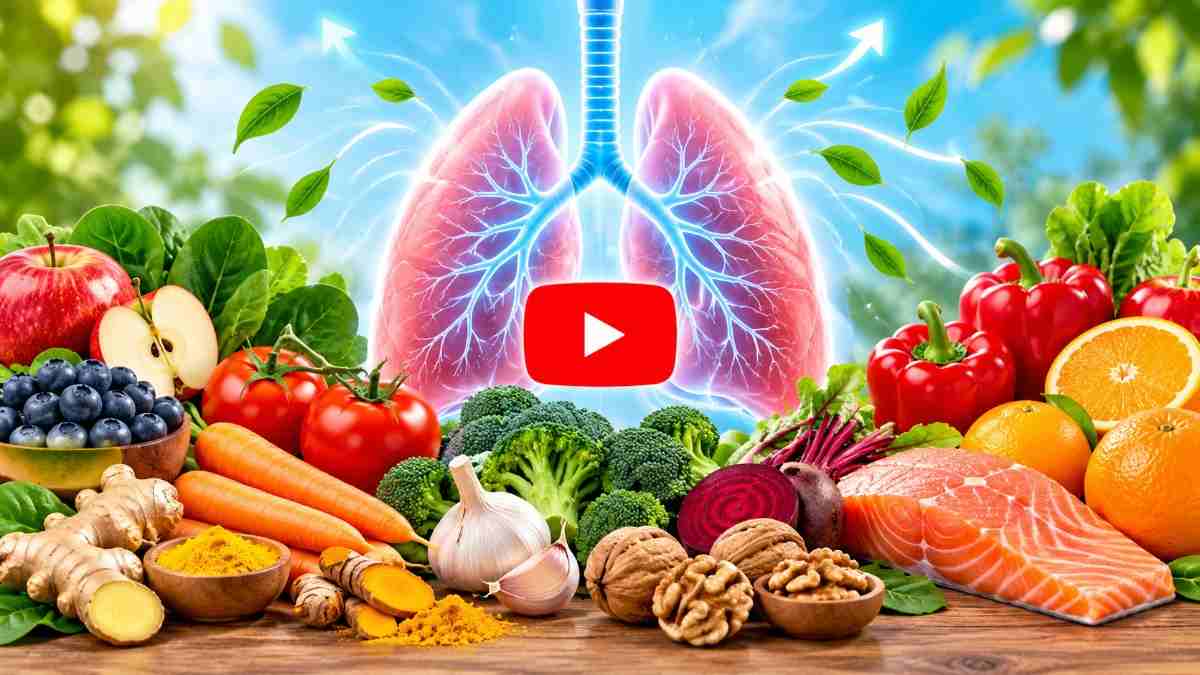
👉 DON’T TRY THIS “7 WORST FOODS FOR LUNGS” UNTIL YOU SEE THIS
This guide explains which vitamins to consider, what the science supports, and how to use nutrition safely alongside established lung care.
What Are the Best Vitamins for Lung Repair?
The best vitamins depend on nutritional status, medical history, and the underlying respiratory condition.
| Vitamin | Main respiratory health role | Best food sources |
| Vitamin C | Antioxidant defense and collagen production | Oranges, kiwi, peppers |
| Vitamin D | Immune regulation | Fatty fish, fortified milk |
| Vitamin E | Cell membrane protection | Almonds, sunflower seeds |
| Vitamin A | Respiratory lining maintenance | Carrots, sweet potatoes |
| Vitamin B6 | Immune and metabolic function | Chickpeas, poultry |
| Vitamin B12 | Red blood cell formation | Fish, eggs, dairy |
| Vitamin B9 | Cell division and red blood cell production | Spinach, lentils |
These vitamins support normal physiological functions, but their benefits should not be confused with direct repair of damaged lung structures.
How Do Vitamins Support Lung Health Naturally?
Every breath exposes the respiratory system to oxygen, airborne particles, and potential irritants.
Pollution, cigarette smoke, infections, and chronic inflammation can increase oxidative stress, potentially contributing to cellular damage.
Antioxidant vitamins help protect cells against certain oxidative processes. Other vitamins support immune responses, normal tissue maintenance, and blood cell production.
Vitamin deficiencies may worsen overall health and sometimes contribute to symptoms that resemble respiratory problems.
Correcting deficiencies is useful, but taking additional vitamins when levels are adequate does not necessarily improve lung function.
👉 DON’T TRY THIS “7 WORST FOODS FOR LUNGS” UNTIL YOU SEE THIS
7 Best Vitamins for Lung Repair and Healthy Breathing
1. Vitamin C for Lung Repair and Antioxidant Protection
Vitamin C is one of the most researched nutrients for respiratory health because of its antioxidant properties.
It helps protect cells from oxidative damage and supports collagen synthesis, an important process for maintaining connective tissues.
Some observational studies link higher dietary vitamin C intake to better lung function. However, this does not prove that vitamin C supplements reverse lung injury.
Best vitamin C foods for lungs:
- Oranges and lemons
- Guava and kiwi
- Strawberries
- Red bell peppers
- Broccoli
Eating these foods regularly provides vitamin C along with fiber and other beneficial plant compounds.
High-dose vitamin C supplements may cause digestive problems and increase kidney stone risk in susceptible individuals.
2. Vitamin D for Lung Inflammation and COPD
Vitamin D helps regulate the immune system and normal inflammatory responses.
Researchers have examined whether vitamin D supplementation helps prevent respiratory infections or reduce COPD exacerbations.
Clinical evidence remains mixed. Some studies suggest benefits in specific vitamin D-deficient groups, while more recent pooled evidence has not demonstrated a consistent overall COPD benefit.
Best vitamin D sources:
- Salmon and sardines
- Egg yolks
- Fortified dairy products
- Fortified plant-based milk
- Appropriate sunlight exposure
People with risk factors for deficiency may benefit from professional assessment.
Excessive vitamin D supplementation can cause hypercalcemia and kidney complications.
👉 DON’T TRY THIS “7 WORST FOODS FOR LUNGS” UNTIL YOU SEE THIS
3. Vitamin E for Lung Cell Protection
Vitamin E is a fat-soluble antioxidant that helps protect cell membranes from oxidative stress.
This function matters for respiratory health because lung tissues are continuously exposed to oxygen.
Research has explored vitamin E intake in relation to respiratory health, but evidence does not establish supplements as treatments for COPD, asthma, or lung scarring.
Best vitamin E foods:
- Almonds
- Sunflower seeds
- Hazelnuts
- Spinach
- Wheat germ
Food sources generally provide adequate amounts for most healthy adults.
High-dose vitamin E supplements may increase bleeding risk, especially when combined with blood-thinning medications.
4. Vitamin A for Respiratory Tissue Maintenance
Vitamin A supports normal epithelial tissue maintenance, immune function, and cellular differentiation.
Epithelial cells form protective surfaces throughout the respiratory tract, helping defend against environmental irritants and pathogens.
Vitamin A deficiency can impair normal immune and tissue function.
However, additional vitamin A does not automatically improve breathing or regenerate damaged alveoli.
Best vitamin A foods:
- Carrots
- Sweet potatoes
- Pumpkin
- Spinach
- Eggs
Beta-carotene from vegetables can be converted into vitamin A according to the body’s needs.
Importantly, high-dose beta-carotene supplementation has been associated with increased lung cancer risk among smokers and some former smokers.
5. Vitamin B6 for Immune and Respiratory Support
Vitamin B6 contributes to protein metabolism, neurotransmitter synthesis, and immune function.
These processes help maintain normal body function, including systems involved in respiratory health.
Although vitamin B6 is nutritionally important, evidence is insufficient to show that supplementation directly repairs lung damage.
Best vitamin B6 foods:
- Chickpeas
- Chicken
- Tuna
- Potatoes
- Bananas
A balanced diet usually provides sufficient vitamin B6.
Long-term excessive supplementation can cause peripheral neuropathy, making high-dose products unsuitable without appropriate guidance.
6. Vitamin B12 for Oxygen Transport and Energy
Vitamin B12 supports red blood cell production, neurological health, and DNA synthesis.
Healthy red blood cells transport oxygen from the lungs throughout the body.
Vitamin B12 deficiency may cause anemia, resulting in fatigue, weakness, and shortness of breath.
Correcting deficiency can improve anemia-related symptoms, although it does not directly repair lung tissue.
Best vitamin B12 sources:
- Fish
- Meat
- Eggs
- Milk
- Fortified cereals
Older adults, vegans, and people with absorption disorders may need additional attention to vitamin B12.
Unexplained breathlessness should always be evaluated by a medical professional.
👉 DON’T TRY THIS “7 WORST FOODS FOR LUNGS” UNTIL YOU SEE THIS
7. Vitamin B9 (Folate) for Cell Maintenance
Folate supports DNA production, cell division, and normal red blood cell formation.
These functions help maintain healthy tissues throughout the body.
Folate deficiency may cause anemia, which can contribute to fatigue and breathing discomfort.
However, folate supplements have not been shown to restore lung structures permanently damaged by smoking.
Best folate-rich foods:
- Lentils
- Spinach
- Asparagus
- Avocados
- Beans
Obtaining folate through a varied diet is generally appropriate.
Excessive folic acid supplementation may mask certain signs of vitamin B12 deficiency.
Best Vitamins for Lung Repair After Smoking
Smoking exposes the respiratory system to toxic chemicals that damage airway tissues and increase inflammation.
After quitting smoking, airway irritation may gradually decrease, and mucus-clearing mechanisms may partially recover.
Vitamin C-rich fruits and vegetables containing beta-carotene, along with other nutritious foods, support overall recovery.
However, supplements cannot reliably reverse established emphysema or restore destroyed alveoli.
The most important intervention is eliminating tobacco exposure and following appropriate respiratory care.
👉 DON’T TRY THIS “7 WORST FOODS FOR LUNGS” UNTIL YOU SEE THIS
Trending Lung Repair Hacks: Science vs Viral Claims
✅ Lemon Water and Vitamin C Detox
Lemon water supplies vitamin C and supports hydration. However, it cannot remove tar from the lungs or reverse smoking-related damage.
✅ Vitamin D Sunshine Therapy
Sunlight helps produce vitamin D, but excessive exposure increases the risk of skin damage. Sunlight is not a proven treatment for lung disease.
✅ Antioxidant Lung Detox Gummies
Many online products combine vitamins and botanical extracts while promising respiratory cleansing.
Insufficient clinical evidence shows these gummies regenerate lung tissue or eliminate accumulated pollutants.
✅ The 7-Day Lung Repair Challenge
Some social media challenges combine breathing exercises, vegetable juices, and supplements.
These habits may contribute to general wellness, but there is no established seven-day timeline for repairing chronic lung damage.
How to Improve Lung Health Naturally
Nutrition works best alongside practical respiratory protection.
- Avoid smoking: Reduces continued exposure to damaging chemicals.
- Eat antioxidant-rich foods: Supports adequate vitamin and mineral intake.
- Stay physically active: Helps maintain cardiovascular fitness and respiratory muscle function.
- Reduce indoor pollution: Limit smoke, fumes, and irritating airborne particles.
- Practice breathing exercises: Techniques such as pursed-lip breathing may help manage breathlessness.
- Manage existing conditions: Follow recommended treatment for asthma, COPD, and other respiratory diseases.
People experiencing persistent coughing, wheezing, chest discomfort, or worsening shortness of breath should seek medical assessment.
Conclusion
The seven vitamins for lung repair—vitamins C, D, E, A, B6, B12, and B9—support antioxidant protection, immune regulation, normal tissue maintenance, and oxygen transport.
Their greatest value comes from maintaining adequate nutrition and correcting deficiencies rather than attempting to reverse permanent respiratory damage.
For long-term lung health, prioritize balanced meals, avoid smoking, exercise regularly, and seek appropriate medical care.
The key takeaway: Vitamins can support healthy lung function, but no supplement has been proven to rebuild permanently damaged lungs.
👉 DON’T TRY THIS “7 WORST FOODS FOR LUNGS” UNTIL YOU SEE THIS
References
- Wikipedia – Lung Anatomy and Respiratory Function
https://en.wikipedia.org/wiki/Lung
- Healthline – Best Vitamins for Lung Health
https://www.healthline.com/nutrition/vitamins-for-lungs
- PubMed – Vitamin D and COPD Exacerbations
https://pubmed.ncbi.nlm.nih.gov/30630893/
About Us
