
7 Worst Foods for Lungs: Hidden Risks Explained
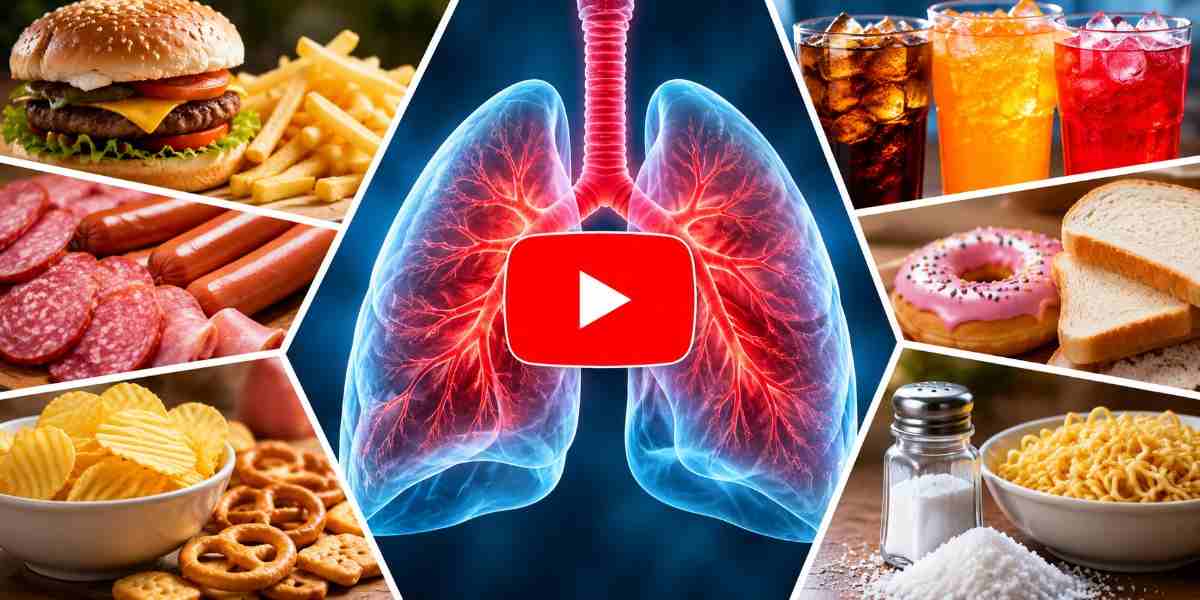
The 7 worst foods to watch for lung health are processed meats, high-sodium foods, deep-fried foods, sugary drinks, refined carbohydrates, ultra-processed snacks, and foods that trigger personal allergies.
These foods do not automatically damage lung tissue. However, frequent consumption of certain categories may contribute to obesity, cardiovascular problems, inflammation, or acid reflux, potentially making breathing more difficult.
People with asthma, chronic obstructive pulmonary disease (COPD), or other respiratory conditions may benefit from dietary adjustments.
Research suggests that overall dietary patterns matter more than avoiding a single ingredient. A balanced diet containing vegetables, fruits, whole grains, and healthy proteins supports normal respiratory function.
👉 DON’T TRY THIS “7 WORST FOODS FOR LUNGS” UNTIL YOU SEE THIS
Understanding which foods deserve caution can help protect long-term lung health without relying on unproven cleansing remedies.
7 Worst Foods for Lungs: Detailed List
1. Processed Meats: Bacon, Sausages, and Hot Dogs
Processed meats are among the most researched dietary concerns for COPD. Bacon, sausages, salami, and hot dogs often contain sodium, preservatives, and curing agents.
Research has associated higher processed red meat intake with increased COPD risk. A systematic review reported an approximately 8% higher relative risk per additional 50 grams consumed weekly, although observational findings cannot establish causation.
Nitrites used in meat processing may contribute to oxidative stress. Smoking remains a much stronger established risk factor for COPD.
Healthier alternative: Choose fresh poultry, fish, eggs, lentils, or beans instead of frequently consuming processed meats.
2. High-Sodium Foods: Instant Noodles and Salty Snacks
Instant noodles, canned soups, packaged chips, and restaurant meals can contain considerable amounts of sodium.
Excess sodium can increase blood pressure and may promote fluid retention, particularly in people with heart or kidney conditions.
Fluid accumulation associated with heart disease can worsen breathlessness, although sodium does not directly damage healthy lungs.
People managing COPD alongside cardiovascular disease may benefit from monitoring sodium intake.
Healthier alternative: Select lower-sodium products, prepare homemade soups, and flavor meals with herbs and spices.
3. Fried Foods: French Fries and Fried Chicken
Deep-fried foods often contain substantial calories and saturated fats, depending on the ingredients and cooking method.
Frequent consumption may contribute to unwanted weight gain, increasing the physical effort required for breathing.
Large, fatty meals can also aggravate acid reflux. In susceptible individuals, reflux may cause coughing, throat irritation, or worse asthma symptoms.
However, fried foods are not proven to directly cause lung inflammation after every meal.
Healthier alternative: Try baked potatoes, grilled chicken, roasted vegetables, or air-fried meals with moderate oil.
4. Sugary Drinks: Soda and Sweetened Beverages
Soft drinks, sweetened coffee, energy drinks, and packaged fruit beverages can provide significant amounts of added sugar.
Regularly drinking sugary beverages may contribute to obesity and metabolic conditions that complicate respiratory health.
Research examining dietary patterns has found associations between healthier diets containing fewer sugar-sweetened beverages and lower COPD risk.
Carbonated drinks may also cause bloating, which some individuals with advanced respiratory disease find uncomfortable.
Healthier alternative: Drink water, unsweetened tea, or water flavored with fresh fruit.
👉 DON’T TRY THIS “7 WORST FOODS FOR LUNGS” UNTIL YOU SEE THIS
5. Refined Carbohydrates: White Bread and Pastries
White bread, sugary pastries, sweet biscuits, and refined-grain desserts may provide fewer nutrients and less fiber than whole-grain alternatives.
Diets dominated by refined carbohydrates can displace vegetables, legumes, and other nutrient-dense foods.
A common online claim suggests that carbohydrates should be eliminated because their metabolism produces carbon dioxide.
Although carbohydrate metabolism produces carbon dioxide, most people don’t need a low-carbohydrate diet to breathe well.
Healthier alternative: Include oats, whole-grain bread, brown rice, and fiber-rich legumes in balanced portions.
6. Ultra-Processed Foods: Packaged Snacks and Ready Meals
Ultra-processed foods include many packaged cakes, sweet snacks, instant meals, and highly formulated convenience products.
Some studies link higher ultra-processed food consumption to poorer respiratory outcomes, including COPD.
Researchers continue investigating whether these relationships involve dietary quality, inflammation, metabolic health, or other lifestyle factors.
Importantly, not all processed products are nutritionally equivalent. Fortified whole-grain foods and minimally processed canned vegetables can remain useful choices.
Healthier alternative: Prioritize meals containing recognizable ingredients, vegetables, healthy proteins, and fiber.
7. Foods That Trigger Allergies or Reflux
Certain foods can worsen breathing through individual reactions rather than causing direct lung damage.
Peanuts, shellfish, eggs, milk, and wheat may trigger serious allergic reactions in susceptible individuals.
Meanwhile, spicy meals, acidic foods, chocolate, or large fatty meals can aggravate reflux in some people.
Reflux sometimes contributes to chronic coughing or asthma-like symptoms.
Healthier alternative: Identify personal triggers through medical evaluation rather than unnecessarily eliminating entire food groups.
👉 DON’T TRY THIS “7 WORST FOODS FOR LUNGS” UNTIL YOU SEE THIS
How Do Unhealthy Foods Affect Lung Function?
Food influences respiratory health through several interconnected mechanisms.
➺ Inflammation: Overall dietary patterns may affect inflammatory pathways, though evidence varies by food.
➺ Oxidative stress: Normal metabolism and environmental exposures generate reactive molecules. Nutrient-rich foods provide compounds supporting antioxidant defenses.
➺ Body weight: Excess abdominal weight may restrict comfortable breathing and increase respiratory workload.
➺ Acid reflux: Stomach contents reaching the esophagus can contribute to coughing or airway irritation.
➺ Cardiovascular health: Heart disease and fluid retention may produce breathlessness even without primary lung damage.
These mechanisms explain why nutritional quality matters, but they do not establish that dietary changes can cure existing respiratory disease.
What Does Recent Research Say About Lung-Healthy Diets?
Research increasingly examines overall eating patterns instead of focusing exclusively on individual nutrients.
A 2023 prospective study reported that participants with the highest scores for a healthy plant-based diet had a 46% lower relative risk of COPD than those with the lowest scores.
Conversely, higher scores for an unhealthy plant-based diet were associated with greater COPD risk.
A 2025 study also investigated relationships between air pollution, dietary patterns, and COPD, highlighting the importance of examining multiple environmental and lifestyle factors together.
These findings support healthier eating habits but remain observational. They cannot prove that changing diet alone prevents COPD.
👉 DON’T TRY THIS “7 WORST FOODS FOR LUNGS” UNTIL YOU SEE THIS
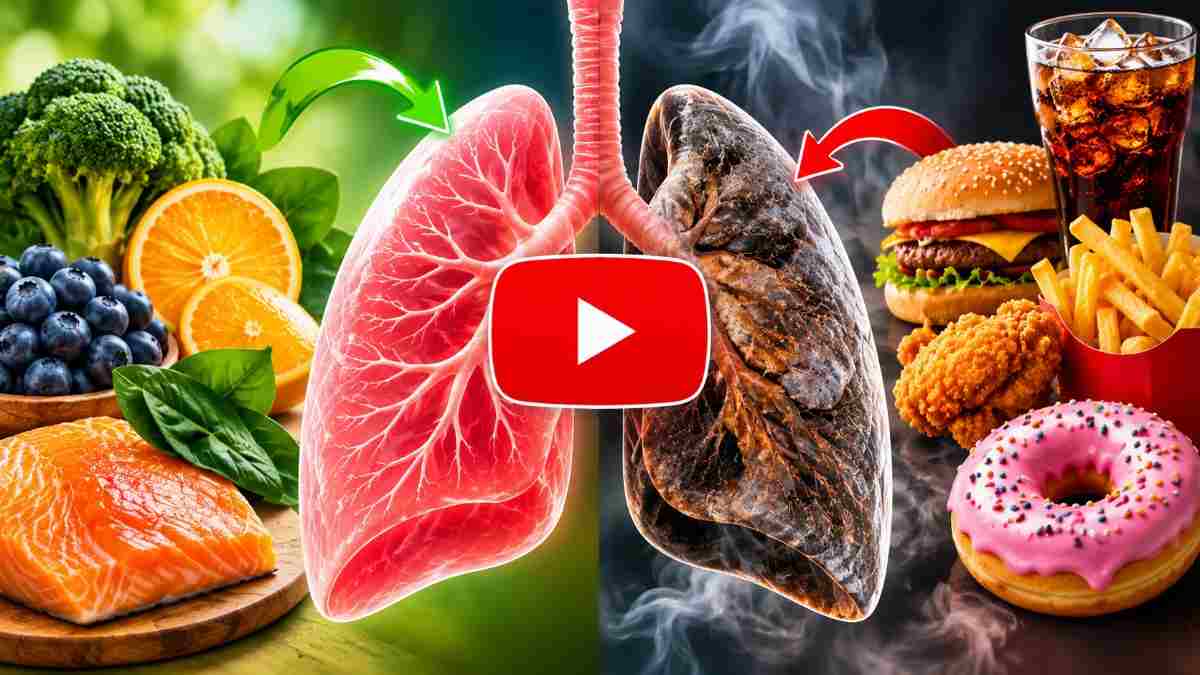
Best Foods for Lung Health: What Should You Eat?
◉ Antioxidant-Rich Fruits and Vegetables
Berries, oranges, carrots, spinach, and broccoli provide vitamins and beneficial plant compounds.
Their nutrients support normal cellular function and overall health.
◉ Omega-3-Rich Foods
Salmon, sardines, walnuts, and flaxseeds supply beneficial fats involved in normal cellular processes.
They complement balanced nutrition without replacing respiratory treatment.
◉ Whole Grains and Legumes
Oats, quinoa, lentils, and beans contain fiber, minerals, and plant protein.
These foods support metabolic health and a nutritious diet.
Viral Lung Detox Hacks: Facts vs Myths
Does Pineapple Juice Clean the Lungs?
Pineapple contains bromelain, an enzyme studied for biological effects.
However, drinking pineapple juice has not been proven to remove mucus deposits, eliminate smoking-related tar, or repair damaged lung tissue.
Can Ginger and Turmeric Repair Lungs?
Ginger and turmeric contain compounds researchers have studied for anti-inflammatory activity.
Laboratory findings are interesting, but ordinary dietary consumption has not been shown to reverse COPD or emphysema.
Does Drinking Hot Water Remove Lung Toxins?
Warm water may soothe throat irritation and support hydration.
However, drinking hot water does not directly flush pollutants from lung tissue.
Can You Clean Your Lungs in Three Days?
No scientifically established three-day food or drink routine can completely cleanse damaged lungs.
The respiratory system naturally removes many inhaled particles through mucus, cilia, coughing, and immune defenses.
Seven Practical Tips to Support Lung Health
- Replace processed meats with fresh protein sources.
- Reduce sugary drinks and choose water regularly.
- Eat colorful vegetables and fruits daily.
- Include fiber-rich whole grains and legumes.
- Identify foods that trigger reflux or allergies.
- Avoid smoking, vaping, and secondhand smoke.
- Stay active and follow prescribed respiratory treatment.
Small, consistent dietary improvements are generally more sustainable than restrictive detox programs.
Conclusion
Understanding the seven worst foods for lungs helps people make informed dietary choices without unnecessary restrictions.
Processed meats, excess sodium, fried foods, sugary beverages, refined carbohydrates, ultra-processed snacks, and individual food triggers deserve particular attention.
Research increasingly supports nutritious dietary patterns containing vegetables, fruits, whole grains, and healthy proteins.
Rather than relying on viral lung-cleansing remedies, focus on sustainable habits that support overall respiratory and cardiovascular health.
The key takeaway is simple: a balanced diet supports healthier breathing, but no single food can cleanse or repair damaged lungs.
👉 DON’T TRY THIS “7 WORST FOODS FOR LUNGS” UNTIL YOU SEE THIS
References
- Wikipedia — Chronic Obstructive Pulmonary Disease
https://en.wikipedia.org/wiki/Chronic_obstructive_pulmonary_disease
- Healthline — COPD Diet: Nutrition and Foods to Eat
https://www.healthline.com/health/copd/diet-nutrition
- PubMed — Processed Red Meat Intake and Risk of COPD: Systematic Review and Meta-Analysis
https://pubmed.ncbi.nlm.nih.gov/29909249/
About Us
