
Lymphatic Tea Detox: Benefits, Risks, and What Works
Lymphatic tea detox usually refers to herbal blends promoted for lymph flow, reduced puffiness, and “toxin removal.” These teas can support hydration, but no established clinical evidence shows they cleanse the lymphatic system, unblock lymph vessels, or treat lymphedema.
Explore lymphatic tea detox, potential benefits, common ingredients, safety risks, and what science says about lymph drainage and natural detox claims.

👉 DON’T TRY THIS “LYMPHATIC TEA DETOX” UNTIL YOU SEE THIS
That distinction matters if you are considering tea for swollen ankles, a puffy face, bloating, or weight management.
A warm drink may be enjoyable, but those symptoms have different causes and do not automatically mean your lymph needs cleansing.
This guide explains how the lymphatic system works, what popular tea ingredients can realistically offer, and how to recognize claims that go beyond the evidence.
What Is Lymphatic Tea Detox?
Lymphatic detox tea is a product category, not a standardized medical treatment. Different brands use different herbs, serving sizes, and preparation instructions. No universally accepted formula or clinically established “lymph cleanse” schedule exists.
Common ingredients include dandelion, cleavers, red clover, burdock, ginger, and nettle. Some blends also contain green tea, licorice root, or stimulant laxatives.
Product descriptions often promise to “flush toxins,” “drain excess fluid,” or “support lymphatic cleansing.” These phrases can sound scientific without explaining what substance is being removed or how the result was measured.
A useful starting question is: Does the product have human research showing improved lymphatic function, or does it mainly rely on traditional use and customer experiences? Those are different kinds of evidence.
How Does the Lymphatic System Work?
The lymphatic system is a network of vessels, lymph nodes, and organs involved in fluid balance, immune defense, and absorption of dietary fats.
Fluid naturally moves from small blood vessels into surrounding tissues. Lymphatic vessels collect some of that fluid and return it to the bloodstream. Lymph nodes help coordinate immune responses as lymph passes through them.
Movement of lymph depends partly on muscle activity, breathing, vessel contractions, and valves that help direct flow. The system normally works continuously; it does not need a scheduled herbal flush.
Lymphatic Drainage Is Different From Detoxification
“Detox” is often used online as a broad explanation for feeling tired, swollen, or uncomfortable. Medically, those symptoms don’t point to a single buildup of toxins.
The liver processes many substances, while the kidneys filter blood and remove waste through urine. The lymphatic system has related but distinct responsibilities.
When lymph vessels are damaged or fluid transport is impaired, persistent swelling can develop. That condition requires assessment rather than assuming a cleansing tea will restore normal drainage. The National Cancer Institute describes this fluid accumulation as lymphedema.
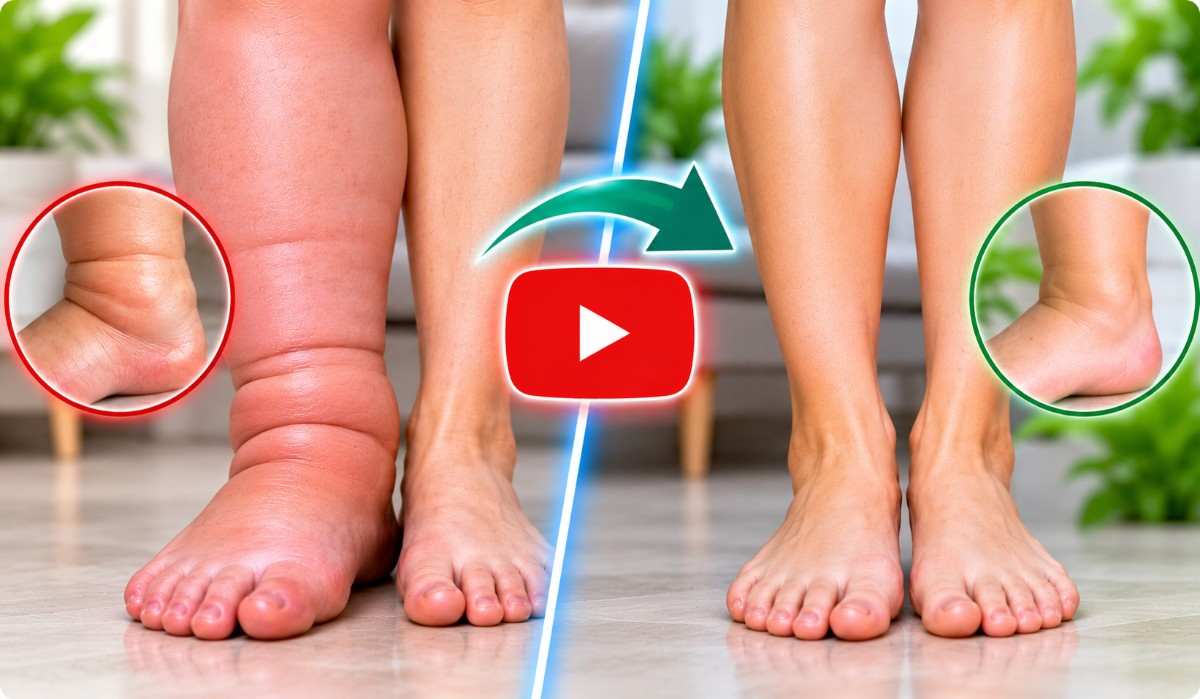
👉 DON’T TRY THIS “LYMPHATIC TEA DETOX” UNTIL YOU SEE THIS
Does Lymphatic Detox Tea Actually Work?
The most accurate answer depends on the claimed benefit.
Tea provides fluid. An unsweetened drink can also replace a sugary beverage. However, those benefits do not demonstrate that a blend improves lymphatic drainage or removes harmful substances.
NCCIH reports that research supporting detox and cleansing programs is limited and that some approaches carry health risks. Its guidance covers detox practices broadly; it shouldn’t be mistaken for a clinical trial of every lymphatic tea formula.
What Would Convincing Evidence Look Like?
A credible study would test the actual finished product in people, use an appropriate comparison group, and measure meaningful outcomes.
For a lymphatic claim, useful outcomes could include validated measurements of swelling, limb volume, symptoms, or lymph transport. Researchers would also need to record adverse effects.
Laboratory findings about antioxidant activity cannot establish those results. Neither can a photograph showing a flatter stomach after several days.
Testimonials may describe real experiences, but they cannot reliably separate a tea’s effects from changes in diet, activity, bowel habits, or normal daily variation.
Potential Benefits: What Is Reasonable to Expect?
An Enjoyable Way to Drink Fluids
- For people who dislike plain water, a suitable herbal tea can make regular fluid intake easier.
- That is a practical benefit, especially when tea becomes part of meals or a relaxing break. However, drinking beyond your needs does not necessarily improve lymph flow.
- People with prescribed fluid restrictions should follow their individual plan.
A Substitute for Sugary Drinks
- Unsweetened tea can replace soda, sweetened coffee, or other calorie-containing beverages.
- Any resulting reduction in calorie intake comes from the substitution. It does not prove that the tea burns fat or cleanses lymph.
- Adding generous amounts of sugar, syrup, or honey changes that comparison.
A Comfortable Daily Ritual
- The warmth, flavor, and preparation of tea may encourage a pause during a busy day.
- That experience can be worthwhile without attaching a medical promise to it. Enjoyment is a valid reason to drink tea, even when a product’s detox claims remain unproven.
- The key is to match expectations to what the beverage can reasonably provide.
Common Lymphatic Tea Ingredients Explained
Dandelion
Dandelion leaf and root appear in many cleansing blends. They are often associated with fluid balance, digestion, and traditional herbal practice.
NCCIH states that research on dandelion’s effects in people is limited and that no compelling scientific evidence supports it for any health condition. Laboratory findings do not show that dandelion tea treats lymphatic swelling.
Potential interactions also matter, particularly when someone takes diuretics or other regular medicines. Food use and concentrated medicinal use should not be treated as interchangeable.
Cleavers
Cleavers frequently appears in products described as “lymphatic support.” Its reputation is largely connected to traditional herbal use.
Traditional use can explain why an ingredient became popular. It does not establish an effective dose or demonstrate that drinking cleavers improves lymph transport in humans.
A product should not present that traditional reputation as equivalent to a controlled clinical trial.
Red Clover and Burdock
Red clover and burdock are also included in herbal cleansing mixtures.
The key question isn’t whether these plants contain biologically active compounds. Many plants do. The question is whether the particular preparation produces a useful, safe outcome at the recommended serving.
A long ingredient list can create an impression of completeness while making the blend harder to evaluate.
Ginger and Other Flavoring Herbs
Ginger, mint, and citrus ingredients may make a tea more appealing.
Evidence linking an ingredient to another purpose, such as digestive comfort, shouldn’t automatically extend to lymphatic drainage. Different symptoms and biological processes require different evidence.
Choose ingredients for clearly stated purposes rather than assuming every familiar herb contributes to detoxification.
Licorice Root
Licorice adds sweetness but deserves particular attention.
Glycyrrhizin in licorice can cause serious adverse effects, including abnormal heart rhythms. People with hypertension, heart disease, or kidney conditions may be especially vulnerable. Licorice also has reported medication interactions.
A sweet-tasting licorice tea is therefore not automatically a suitable daily drink for everyone.
👉 DON’T TRY THIS “LYMPHATIC TEA DETOX” UNTIL YOU SEE THIS
Lymphatic Tea for Bloating, Puffiness, and Water Retention
These terms are often grouped together in search results, but they describe different experiences.
Abdominal bloating may involve intestinal gas, constipation, or the sensation of fullness. Puffiness describes appearance. Edema means excess fluid in tissues.
Lymphedema is one possible cause of swelling, but it is not the explanation for every swollen ankle or puffy face.
Why Identifying the Symptom Matters
A person with constipation needs a different assessment from someone with a suddenly swollen leg. Using the same detox explanation for both can delay useful care.
Before buying tea, identify where the symptom occurs, when it began, whether it changes during the day, and whether pain or redness is present.
Those observations are more informative than assuming the body is “holding toxins.”
Can Lymphatic Detox Tea Help With Weight Loss?
A short-term change on the scale doesn’t necessarily mean fat loss.
Body weight varies with fluid, bowel contents, meals, and other factors. A tea that increases urination or bowel movements may change scale weight without producing meaningful or lasting fat reduction.
Similarly, feeling less bloated does not demonstrate that lymphatic blockages have cleared.
For weight management, assess the overall eating pattern, activity, sleep, and any relevant medical factors. Tea can fit into that routine as a beverage, but promises of rapid weight loss through lymph cleansing deserve skepticism.
Before-and-after photographs cannot show which of these factors caused a visible change.
Side Effects and Safety Risks
The safety of a lymphatic tea depends on its ingredients, concentration, preparation, and the person drinking it.
“Herbal” describes the source of an ingredient. It does not guarantee that the product is harmless or suitable alongside medication.
Laxatives and Diuretic Ingredients
Some detox products contain ingredients intended to stimulate bowel movements or increase urine output.
Repeated diarrhea, excessive fluid loss, or combining these products with restrictive eating can cause problems. NCCIH specifically warns that some cleansing practices can lead to dehydration and dangerous electrolyte imbalances.
Headache, weakness, and dizziness are not proof that a cleanse is working.
Medication Interactions
Herbs may increase or decrease the effects of medicines. The level of evidence varies: some interactions are established, while others remain theoretical or poorly studied.
This uncertainty matters most for medicines where small changes in blood levels can have serious consequences, including warfarin and digoxin.
Ask a pharmacist to review the complete ingredient list rather than relying on the product name. A “natural drainage blend” may contain several substances with different effects.
Who Should Seek Advice First?
Get individualized guidance before using a medicinal herbal blend if you:
- Are pregnant or breastfeeding.
- Have kidney, heart, or liver disease.
- Take prescription medicines.
- Have diagnosed lymphedema or unexplained swelling.
- Are undergoing cancer treatment.
- Have a prescribed fluid restriction.
This does not mean every ordinary tea is unsuitable. It means the actual ingredients and your circumstances matter.
Viral Lymphatic Detox Claims: Facts and Misconceptions
“Frequent Urination Means Toxins Are Leaving”
Urination does not identify what a product has removed or prove that lymphatic function improved.
A convincing toxin-removal claim needs to name the substance, measure it appropriately, and show a meaningful health benefit. Vague references to “waste buildup” do not meet that standard.
“A Flatter Stomach Means Better Lymph Flow”
Appearance alone cannot measure lymphatic drainage.
Changes in posture, lighting, meals, gas, and bowel contents can affect photographs. A smaller-looking abdomen does not establish a biological mechanism.
“Feeling Sick Is a Healing Reaction”
Nausea, diarrhea, palpitations, or dizziness may indicate an adverse effect.
Do not increase the serving because an influencer describes discomfort as a necessary detox stage. Stop the product and obtain advice when symptoms occur.
“Natural Ingredients Cannot Cause Harm”
Plants can contain active substances. That’s why their effects, interactions, and doses need attention.
The word “natural” does not answer whether a particular blend is appropriate for a particular person.
How to Choose a Herbal Tea Sensibly
No product can be recommended as a proven lymphatic cleanse based of a detox label alone. If you want tea for enjoyment, favor products that make their contents easy to understand.
Look for:
- A complete ingredient list.
- Clear serving and preparation instructions.
- Relevant warnings and manufacturer contact details.
- Transparent information about quality testing.
- Claims that distinguish traditional use from demonstrated effects.
Be cautious of undisclosed blends and promises to quickly reverse swelling.
Independent testing may help assess identity or contaminants, depending on what was tested. It does not establish that a tea improves lymphatic function.
Avoid confusing attractive packaging, professional-looking endorsements, or customer ratings with clinical evidence.
👉 DON’T TRY THIS “LYMPHATIC TEA DETOX” UNTIL YOU SEE THIS
Is There a Safe Lymphatic Tea Detox Recipe?
There is no validated homemade recipe or established therapeutic dose for cleansing lymph.
If you enjoy herbal drinks, choose a familiar food-grade tea that suits your health needs and prepare it according to its instructions. A simple beverage is easier to assess than a mixture containing many unfamiliar herbs.
Don’t assume a homemade preparation is safer just because you selected the ingredients yourself.
Avoid combining concentrated extracts, laxative teas, and several drainage products. Also avoid gathering wild plants unless identification and preparation have been reliably established.
The goal should be an enjoyable drink, not an attempt to force fluid loss.
What Supports Lymphatic Health More Reliably?
Regular, Appropriate Movement
Movement is part of managing many forms of swelling. Walking and other suitable activities can help reduce long periods of immobility.
The appropriate exercise depends on the cause of swelling, mobility, and medical history. Someone recovering from surgery may need a specific rehabilitation plan.
Skin Care and Individual Treatment
For diagnosed lymphedema, treatment commonly involves a combination of measures rather than a single drink.
The NHS describes decongestive lymphatic therapy as including compression, skin care, exercise, and specialized massage. These measures manage swelling and reduce complications through an individualized program.
Compression garments should be appropriately selected, and specialized massage should be guided by someone trained in lymphedema care.
Realistic Expectations About Massage
Online sources also promote lymphatic drainage massage for general detoxification.
A treatment used for a diagnosed condition does not automatically deliver the same benefits to everyone. UCLA Health distinguishes medical uses from unsupported claims about additional benefits in otherwise healthy people.
Tea, massage, and supplements should each be evaluated on their own evidence. Combining them does not establish that a detox program works.
When Swelling Needs Medical Attention
Seek urgent assessment for unexplained swelling in one leg, sudden or severe swelling, or an area that is painful, red, or hot. Fever accompanying swelling also needs attention.
Swelling with shortness of breath, chest pain, or coughing blood requires emergency care.
Persistent or worsening swelling should be evaluated even when it is painless. Treatment depends on its cause, and drinking tea should not postpone that assessment. NHS guidance emphasizes these distinctions when advising people with swollen feet, ankles, and legs.
Conclusion
Lymphatic tea detox products offer a simple-sounding answer to puffiness, bloating, and fluid retention. The evidence supports a more limited conclusion: suitable tea can be an enjoyable source of fluid, but it is not an established treatment for impaired lymphatic drainage.
Read ingredients carefully, question rapid detox promises, and avoid interpreting diarrhea or excessive urination as proof of benefit.
The clearest takeaway is to enjoy tea as a beverage, support your health with sustainable habits, and have persistent or unexplained swelling evaluated. Understanding the cause of your symptoms provides a more dependable path forward than following a cleanse schedule.
👉 DON’T TRY THIS “LYMPHATIC TEA DETOX” UNTIL YOU SEE THIS
References
https://www.healthline.com/nutrition/detox-diets-101
https://en.wikipedia.org/wiki/Lymphatic_system
https://www.webmd.com/diet/lose-weight-fast
.
About Us
