
Lymphedema Natural Remedies for Legs: 10 Helpful Tips
Lymphedema is a chronic condition that causes swelling when the lymphatic system cannot effectively drain excess fluid from body tissues.
It commonly affects the legs, ankles, and feet, making everyday activities such as walking, standing, and wearing shoes uncomfortable.
Many people search for lymphedema natural remedies for legs because they want practical ways to manage swelling, improve comfort, and maintain mobility without relying entirely on medical procedures.
Lymphedema Natural Remedies for Legs explores how gentle exercises, lymphatic massage, compression therapy, and healthy lifestyle habits help manage leg swelling, improve comfort, and support long-term lymphatic health.
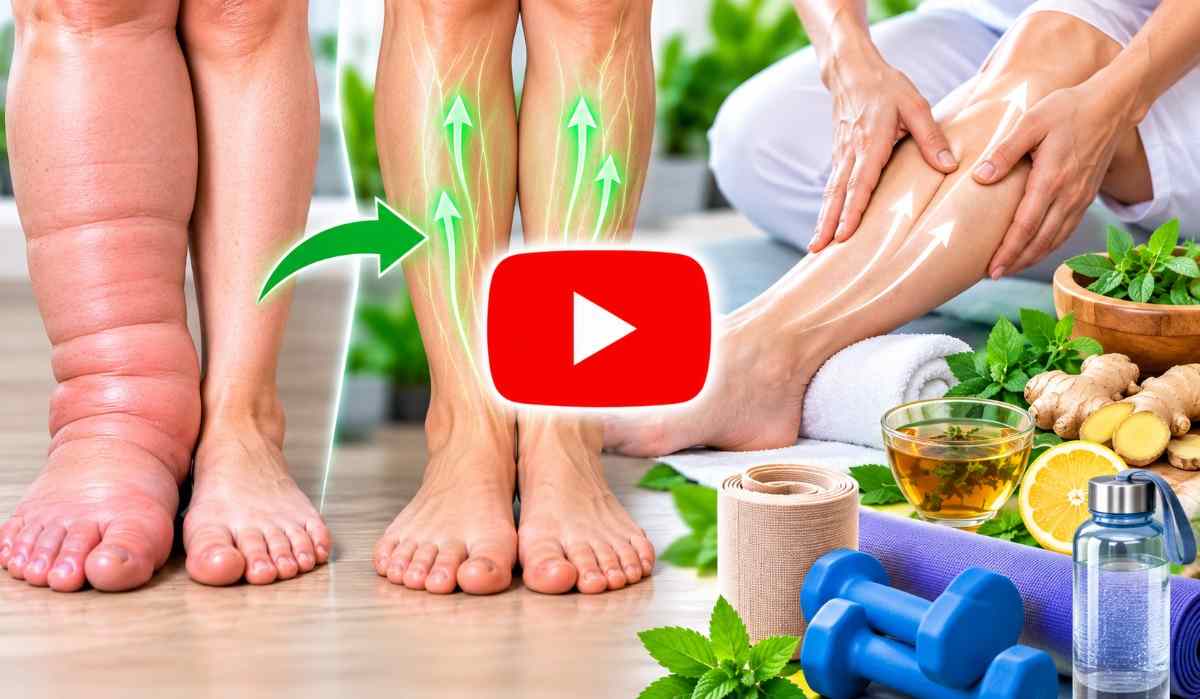
👉 DON’T TRY THIS “LYMPHEDEMA NATURAL REMEDIES FOR LEGS” UNTIL YOU SEE THIS
The lymphatic system plays an essential role in maintaining fluid balance and supporting immune function.
When lymphatic vessels become damaged or cannot transport fluid efficiently, swelling may gradually develop.
Understanding which home remedies are supported by medical evidence is important because some popular treatments may be ineffective or potentially harmful.
What Is Lymphedema in the Legs?
Lymphedema in the legs occurs when lymphatic fluid accumulates in the tissues because of impaired lymphatic drainage.
The lymphatic system normally collects excess fluid and proteins from tissues and returns them to the bloodstream.
When this process becomes disrupted, fluid accumulation causes persistent swelling. Lymphedema is generally divided into two categories.
Primary lymphedema develops because of abnormalities in lymphatic system formation or function. Symptoms may appear during childhood, adolescence, or adulthood.
Secondary lymphedema develops after damage to previously functioning lymphatic vessels or nodes.
Possible causes include cancer treatment, lymph node removal, radiation therapy, certain infections, trauma, and chronic venous disorders.
👉 DON’T TRY THIS “LYMPHEDEMA NATURAL REMEDIES FOR LEGS” UNTIL YOU SEE THIS
What Causes Lymphedema in the Legs?
Several conditions can interfere with normal lymphatic circulation.
1. Lymph Node Removal
Surgery involving lymph node removal may disrupt normal fluid drainage, particularly after certain cancer treatments.
2. Radiation Therapy
Radiation therapy can damage lymphatic vessels and surrounding tissues, disrupting normal lymph fluid drainage.
3. Infections
Certain infections can damage lymphatic vessels and disrupt normal lymph fluid drainage, leading to fluid buildup.
4. Chronic Venous Disease
Longstanding venous problems can increase fluid accumulation and place additional demands on lymphatic drainage.
5. Genetic Conditions
Certain inherited genetic disorders can affect the development and function of lymphatic vessels, disrupting normal fluid drainage.
6. Severe Obesity
Not all leg swelling is caused by lymphedema. Heart disease, kidney problems, blood clots, medications, and venous disorders can produce similar symptoms.
10 Natural Remedies for Lymphedema in Legs
The following approaches may help manage symptoms when incorporated into an individualized treatment plan.
1. Gentle Lymphatic Drainage Massage
Manual lymphatic drainage is a specialized technique designed to encourage lymph fluid movement through functioning lymphatic pathways.
A qualified lymphedema therapist can determine which areas should be treated and demonstrate appropriate techniques.
Potential benefits include improved comfort, reduced heaviness, and support for swelling management.
Avoid massage during active skin infections, suspected blood clots, or other conditions where treatment may be unsafe.
2. Wear Properly Fitted Compression Garments
Compression therapy is one of the most important treatments for managing leg lymphedema. Compression stockings, wraps, and bandages apply controlled pressure to affected tissues.
This helps limit fluid accumulation and supports fluid movement during muscle activity. A healthcare professional should determine the appropriate garment type, pressure level, and fitting.
Incorrectly fitted compression may cause discomfort or worsen certain circulation problems. Compression garments should be worn according to individualized medical instructions.
People with significant peripheral arterial disease or other circulation disorders require careful assessment before compression is prescribed.
3. Practice Gentle Walking
Walking activates the calf muscles, which help move blood and lymph fluid through the legs. Regular walking may improve mobility, reduce stiffness, and support overall circulation.
Begin with a comfortable distance and gradually increase activity according to your abilities. For example, short walks throughout the day may be easier than one prolonged session.
Compression garments are often recommended during exercise when prescribed by a lymphedema therapist.
Stop exercising and seek medical guidance if swelling suddenly worsens or significant pain develops.
4. Elevate Your Legs
Leg elevation may temporarily reduce fluid accumulation, especially when swelling is influenced by gravity.
Resting with the legs supported above heart level can sometimes improve comfort. Use pillows or a supportive cushion to maintain a comfortable position.
Elevation may be more helpful for early or mild swelling than for advanced lymphedema involving significant tissue fibrosis.
5. Practice Deep Breathing Exercises
Deep breathing creates pressure changes within the chest and abdomen that contribute to normal lymphatic movement.
A simple breathing routine involves sitting comfortably, inhaling slowly through the nose, allowing the abdomen to expand, and exhaling gently.
Repeat for several comfortable breaths without straining. Breathing exercises may support relaxation and complement movement-based treatment.
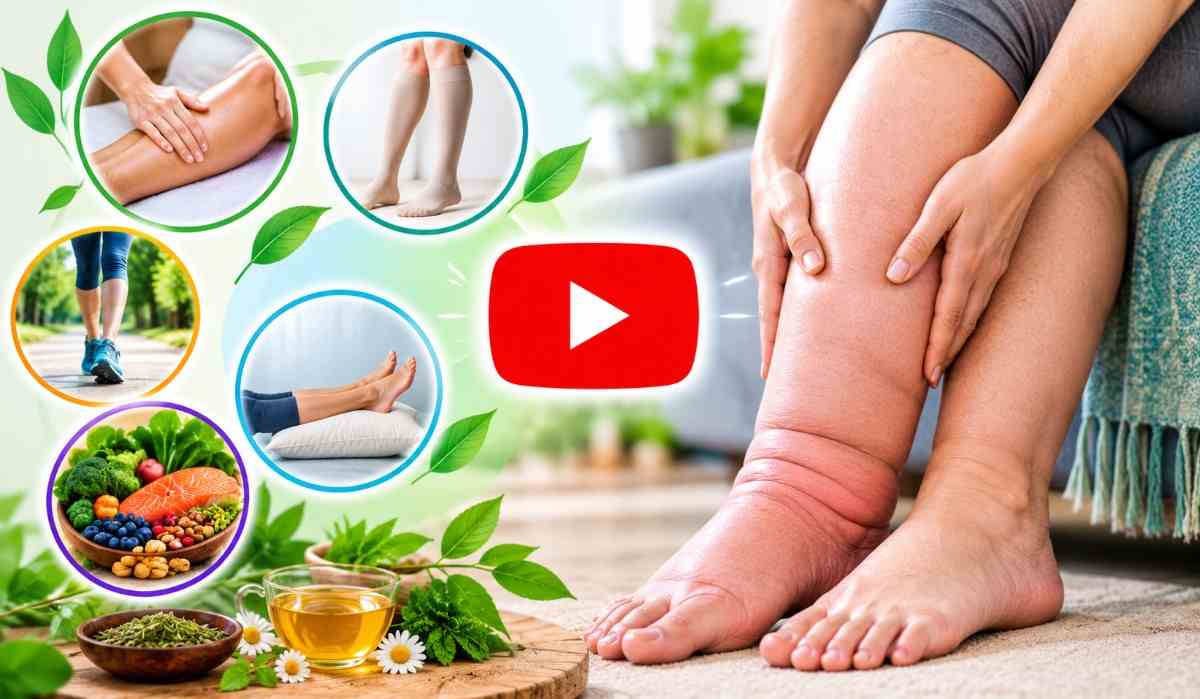
👉 DON’T TRY THIS “LYMPHEDEMA NATURAL REMEDIES FOR LEGS” UNTIL YOU SEE THIS
6. Maintain Healthy Skin Care
Lymphedema can increase the risk of skin infections because chronic swelling may affect tissue health.
Keeping the skin clean and moisturized helps protect its natural barrier. Wash affected areas gently and dry carefully, particularly between the toes.
Use a fragrance-free moisturizer to prevent dryness and cracking. Inspect the feet and legs regularly for cuts, blisters, redness, or irritation.
Promptly seek medical attention for spreading redness, warmth, tenderness, or fever, which may indicate cellulitis.
7. Maintain a Healthy Body Weight
Excess body weight can increase pressure on the lymphatic system and contribute to reduced mobility.
Maintaining a healthy weight may improve overall health and support lymphedema management. Focus on sustainable dietary habits rather than extreme weight-loss programs.
Choose nutritious foods, maintain appropriate portions, and incorporate regular physical activity. Weight loss does not guarantee that established lymphedema will disappear.
8. Eat a Balanced, Nutrient-Rich Diet
A balanced diet supports overall tissue health and normal bodily functions. Include vegetables, fruits, whole grains, healthy fats, and adequate protein.
Reducing excessive sodium may help some individuals manage fluid retention, particularly when other medical conditions contribute to swelling.
9. Perform Gentle Ankle and Leg Exercises
Simple exercises can activate the muscles that support fluid movement.
Examples include:
-
Ankle pumps: Gently point the toes forward and pull them back.
-
Ankle circles: Rotate each ankle slowly in both directions.
-
Seated marching: Lift one knee at a time while seated.
-
Heel raises: Raise the heels while holding a stable support.
-
Gentle stretching: Stretch the calf muscles without forcing movement.
A physical therapist can recommend suitable repetitions and modifications. Exercise should remain comfortable and should not produce increasing pain or significant swelling.
10. Avoid Prolonged Sitting or Standing
Remaining in one position for extended periods may contribute to fluid pooling in the lower limbs. Take regular movement breaks during the day.
When working at a desk, gently move the ankles and change position periodically. If standing for long periods, alternate weight between the legs and walk when possible.
Avoid restrictive clothing that creates unnecessary pressure around the thighs or knees. These simple adjustments can complement compression and exercise-based treatment.
Best Foods for Supporting Lymphatic Health
No particular food has been proven to cure lymphedema, but a nutritious diet can support general health.
| Food | Nutritional Benefit |
|---|---|
| Leafy Greens | Provide vitamins, minerals, and antioxidants |
| Berries | Supply fiber and antioxidant compounds |
| Salmon | Provide protein and omega-3 fatty acids |
| Citrus Fruits | Supply vitamin C |
| Nuts and Seeds | Provide healthy fats and minerals |
| Beans and Lentils | Supply plant protein and fiber |
| Whole Grains | Support balanced nutrition |
| Water-Rich Vegetables | Contribute to normal hydration |
People with kidney disease, heart failure, or other conditions requiring dietary restrictions should follow individualized medical guidance.
👉 DON’T TRY THIS “LYMPHEDEMA NATURAL REMEDIES FOR LEGS” UNTIL YOU SEE THIS
Can Drinking Water Reduce Leg Lymphedema?
Proper hydration supports normal circulation, kidney function, and overall health. Drinking excessive amounts of water does not flush lymphatic fluid out of swollen legs.
Lymphedema develops because of impaired fluid transport, not simply inadequate water consumption.
Restricting fluids without medical advice is also generally inappropriate. Drink according to normal thirst and any recommendations provided by your healthcare professional.
Does Epsom Salt Help Lymphedema?
Warm water may provide temporary relaxation, but there is insufficient scientific evidence that Epsom salt removes lymphatic fluid or treats lymphedema.
Hot water can sometimes worsen swelling by increasing blood flow to the affected tissues. Prolonged soaking may also irritate vulnerable skin.
People with lymphedema should prioritize gentle skin care and avoid extreme water temperatures. Epsom salt should not replace compression, exercise, or medically recommended treatment.
👉 DON’T TRY THIS “LYMPHEDEMA NATURAL REMEDIES FOR LEGS” UNTIL YOU SEE THIS
Can Apple Cider Vinegar Treat Lymphedema?
Apple cider vinegar is frequently promoted as a natural remedy for various health conditions. Applying undiluted vinegar may irritate or damage the skin.
This is particularly concerning because people with lymphedema may be more vulnerable to skin complications.
A balanced diet and established lymphedema management strategies are safer choices than unproven topical remedies.
Daily Routine for Managing Leg Lymphedema
A structured daily routine can make long-term management more manageable.
| Time | Recommended Activity |
|---|---|
| Morning | Inspect skin and apply prescribed compression |
| After Breakfast | Perform gentle walking or ankle exercises |
| Midday | Take movement breaks and avoid prolonged sitting |
| Afternoon | Practice approved exercises and maintain hydration |
| Evening | Elevate legs if comfortable and recommended |
| Before Bed | Clean, moisturize, and inspect the skin |
Follow the specific instructions provided by your lymphedema therapist. Consistency is generally more important than relying on occasional intensive treatments.
What Should You Avoid With Leg Lymphedema?
Certain habits can worsen swelling or increase the risk of complications. Avoid prolonged immobility whenever possible.
Do not wear excessively tight clothing or poorly fitted compression garments. Protect affected skin from burns, cuts, and unnecessary irritation.
Be cautious with saunas, very hot baths, and prolonged heat exposure if these worsen your symptoms.
Do not use diuretic medications solely for lymphedema unless prescribed for another medical indication.
When Should You See a Doctor?
Medical evaluation is important when leg swelling is new, persistent, unexplained, or progressively worsening.
Seek prompt medical attention if you develop:
-
Sudden swelling in one leg
-
Significant leg pain or tenderness
-
New redness or warmth
-
Fever or chills
-
Rapidly increasing swelling
-
Skin wounds or signs of infection
These symptoms may indicate conditions such as deep vein thrombosis, pulmonary embolism, or infection rather than uncomplicated lymphedema.
Final Thoughts
Lymphedema natural remedies for legs can play a valuable role in managing swelling, maintaining mobility, and improving everyday comfort.
Gentle walking, ankle exercises, proper skin care, healthy weight management, and appropriate leg elevation can complement professional treatment.
Compression therapy remains a central part of care for many individuals, while specialized lymphatic drainage may provide additional benefits in selected circumstances.
The most effective strategy is a consistent, individualized management plan developed with a qualified healthcare professional.
With appropriate treatment and daily self-care, many people living with leg lymphedema can maintain mobility, manage discomfort, and improve their quality of life.
👉 DON’T TRY THIS “LYMPHEDEMA NATURAL REMEDIES FOR LEGS” UNTIL YOU SEE THIS
.
.
.
.
References
https://www.nhs.uk/conditions/lymphoedema/treatment/
https://my.clevelandclinic.org/health/diseases/8353-lymphedema
https://medlineplus.gov/lymphedema.html
.
.
.
About Us
