
Lymphatic Drainage for Lymphedema: Benefits & Treatment
Lymphedema is a chronic condition that develops when the lymphatic system cannot effectively transport lymph fluid away from body tissues.
Lymphatic drainage for lymphedema is a specialized therapeutic approach designed to encourage lymph fluid movement, reduce swelling, and support long-term symptom management.
Unlike ordinary massage, manual lymphatic drainage uses gentle, controlled movements that follow the natural pathways of the lymphatic system.
Lymphatic Drainage for Lymphedema explores how gentle massage techniques help manage swelling, improve lymph fluid movement, and support circulation, comfort, and long-term symptom management.
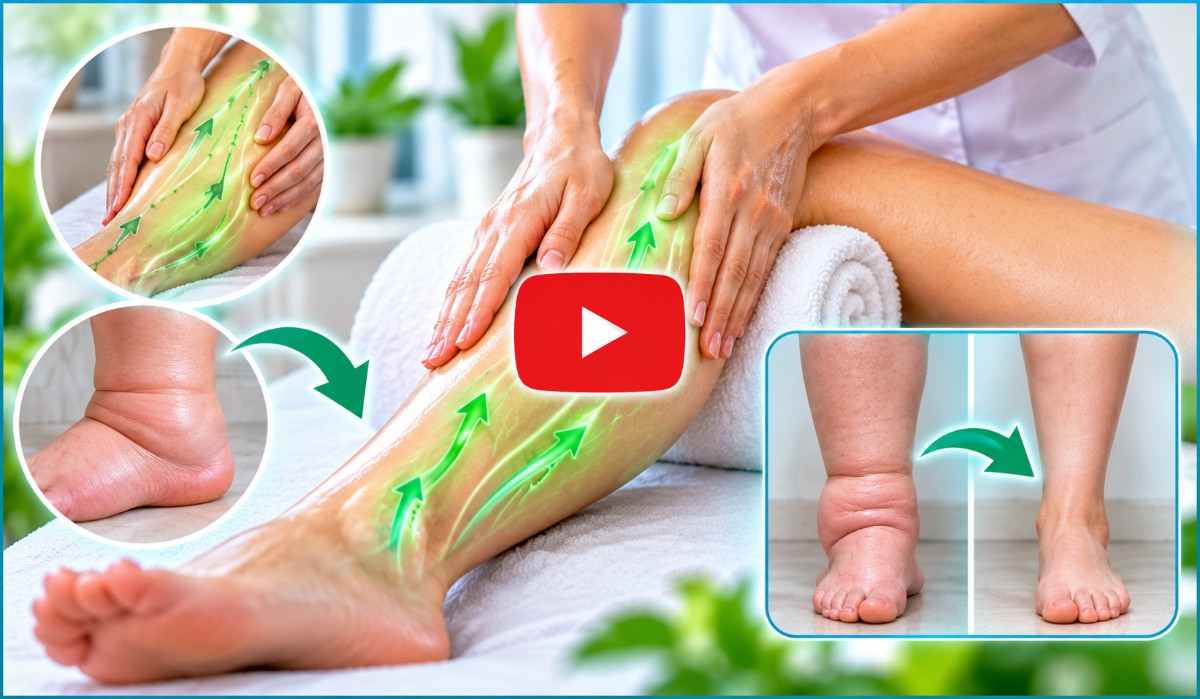
👉 DON’T TRY THIS “LYMPHATIC DRAINAGE FOR LYMPHEDEMA” UNTIL YOU SEE THIS
It is commonly incorporated into comprehensive lymphedema treatment programs alongside compression therapy, exercise, and skin care.
People living with lymphedema may experience swelling in their arms, legs, hands, feet, or other body areas. Symptoms can affect mobility, clothing comfort, daily activities, and overall quality of life.
Understanding how lymphatic drainage works, when it is appropriate, and how it fits into a broader treatment plan can help individuals make informed decisions about managing their condition.
What Is Lymphedema?
Lymphedema is a long-term medical condition characterized by swelling caused by impaired lymphatic fluid drainage.
The lymphatic system consists of lymph vessels, lymph nodes, and specialized tissues that help maintain fluid balance and support immune function.
Under normal circumstances, lymphatic vessels collect excess fluid, proteins, and other substances from body tissues and return them to the bloodstream.
When these vessels become damaged, blocked, or underdeveloped, lymph fluid may accumulate in surrounding tissues.
Types of Lymphedema
Primary Lymphedema
Primary lymphedema develops because of abnormalities in lymphatic system development. It may appear during childhood, adolescence, or adulthood.
Secondary Lymphedema
Secondary lymphedema occurs when an existing lymphatic system becomes damaged or obstructed.
Common causes include:
-
Cancer surgery involving lymph node removal
-
Radiation therapy
-
Certain infections
-
Trauma or significant tissue injury
-
Chronic venous disease
-
Other conditions affecting lymphatic circulation
Secondary lymphedema is particularly associated with some cancer treatments, although not everyone undergoing these procedures develops the condition.
👉 DON’T TRY THIS “LYMPHATIC DRAINAGE FOR LYMPHEDEMA” UNTIL YOU SEE THIS
What Is Lymphatic Drainage for Lymphedema?
Lymphatic drainage for lymphedema is a therapeutic technique intended to help move excess lymph fluid from swollen tissues toward functioning lymphatic pathways.
The most established hands-on approach is called manual lymphatic drainage (MLD).MLD uses slow, rhythmic, light-pressure movements applied in carefully selected directions.
A trained lymphedema therapist typically begins by preparing areas where lymph fluid can drain effectively before working on regions affected by swelling.
Lymphatic drainage is frequently used as part of complete decongestive therapy, a comprehensive treatment program that combines several approaches to controlling swelling.
Treatment should be individualized according to the affected body region, disease severity, medical history, and response to therapy.
How Does Lymphatic Drainage Work for Lymphedema?
Lymphatic drainage works by encouraging fluid movement through functioning lymphatic vessels and helping redirect fluid away from congested tissues.
When lymphatic drainage becomes impaired, fluid and proteins can accumulate in tissues, contributing to swelling and inflammation.
Manual lymphatic drainage uses gentle stretching movements on the skin to influence superficial lymphatic structures.
During treatment, a therapist may first stimulate areas near functioning lymph nodes and then gradually address swollen regions.
MLD is generally most useful when combined with compression, because compression helps maintain fluid reduction between treatment sessions.
Regular movement and appropriate exercises further support lymph circulation by activating surrounding muscles.
Benefits of Lymphatic Drainage for Lymphedema
Lymphatic drainage may provide several benefits when performed appropriately as part of an individualized treatment program.
1. Helps Reduce Swelling
Manual lymphatic drainage may help move accumulated fluid away from affected tissues, particularly when combined with compression and other recommended treatments.
2. Supports Lymph Fluid Movement
Gentle therapeutic movements encourage lymph fluid to travel through available drainage pathways, supporting the body’s existing fluid transport mechanisms.
3. Improves Physical Comfort
Reducing swelling may relieve sensations of heaviness, tightness, and discomfort that commonly affect people living with lymphedema.
4. Supports Better Mobility
When swelling decreases, some individuals find it easier to bend joints, walk, use their hands, and perform everyday activities.
5. Helps Manage Chronic Symptoms
Regular treatment, combined with compression and self-care, may help maintain improvements and reduce fluctuations in swelling over time.
6. Promotes Relaxation
The gentle, rhythmic nature of manual lymphatic drainage can provide a calming experience and improve comfort during treatment.
Important: Research on the additional benefit of MLD beyond compression-based treatment is mixed. It should not be presented as a guaranteed way to reduce swelling or prevent complications.
Common Symptoms That May Improve With Treatment
Lymphedema symptoms vary depending on the affected region and the severity of lymphatic dysfunction.
Some people experience mild swelling that appears toward the end of the day, while others develop persistent enlargement and skin changes.
Common symptoms include:
-
Swelling in an arm, leg, hand, or foot
-
A sensation of heaviness or fullness
-
Tightness around joints
-
Reduced flexibility
-
Difficulty wearing jewelry, shoes, or clothing
-
Skin thickening or firmness
-
Recurring discomfort
-
Restricted movement during daily activities
As the condition progresses, tissues may become firmer because of chronic inflammation and fibrosis.
Lymphatic drainage can be one component of treatment, but advanced tissue changes may require additional management strategies.
Manual Lymphatic Drainage Techniques
The following describes common clinical approaches, not instructions for performing specialized massage without training.
1. Stationary Circle Technique
The therapist places the hands gently against the skin and performs slow circular stretching movements.
2. Pump Technique
The pump technique involves controlled hand movements designed to gently stretch the skin and encourage superficial lymphatic fluid movement.
3. Scoop Technique
This technique uses carefully coordinated hand movements that follow the contours of the body.The therapist adapts pressure and direction to the affected region.
4. Rotary Technique
Rotary movements involve broader, rhythmic skin stretching over suitable body surfaces. They are generally performed with light pressure rather than forceful rubbing.
The choice of technique depends on the therapist’s assessment and the patient’s specific drainage needs.
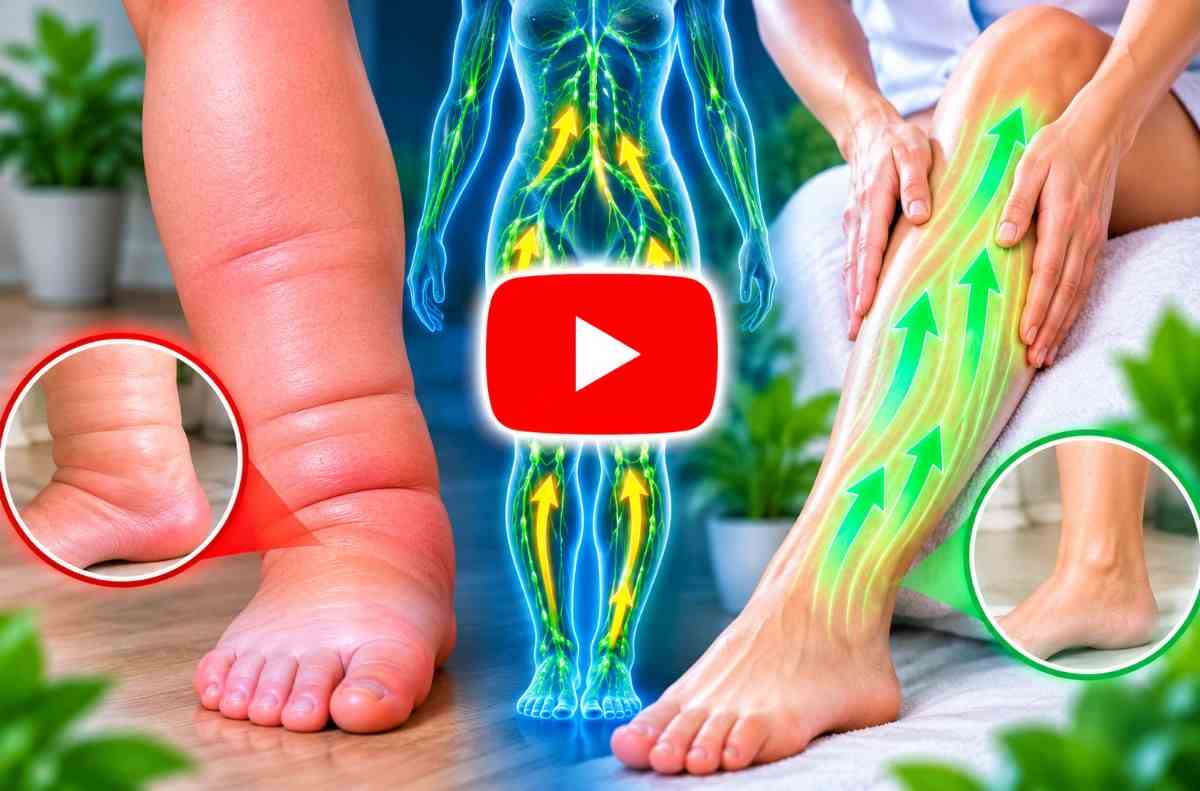
👉 DON’T TRY THIS “LYMPHATIC DRAINAGE FOR LYMPHEDEMA” UNTIL YOU SEE THIS
Step-by-Step Lymphatic Drainage Treatment
Professional lymphatic drainage typically follows a structured sequence.
Step 1: Initial Assessment
A certified lymphedema therapist evaluates swelling, skin condition, medical history, and possible treatment restrictions.
Step 2: Preparing Drainage Pathways
Treatment generally begins in selected areas away from the most swollen tissues. This helps prepare functioning lymphatic pathways for fluid movement.
Step 3: Gentle Manual Drainage
The therapist uses slow, controlled movements to encourage lymph fluid toward available drainage regions. Excessive pressure is avoided.
Step 4: Compression Therapy
Compression bandaging or prescribed garments may be applied to help maintain improvements. The appropriate compression method depends on clinical assessment.
Step 5: Exercise and Home Care
Patients may receive guidance on movement, skin care, compression use, and approved self-management techniques.
Can You Perform Lymphatic Drainage at Home?
Some people with lymphedema can safely perform simplified lymphatic drainage techniques at home after receiving appropriate instruction.
Unlike professional manual lymphatic drainage, SLD involves a simplified sequence designed for an individual’s specific condition.
Home management may include gentle breathing exercises, approved skin-stretching movements, compression garments, and regular physical activity.
People with cancer-related lymphedema, extensive swelling, or additional medical conditions should receive individualized instructions before beginning self-treatment.
How Often Should You Do Lymphatic Drainage for Lymphedema?
The ideal treatment frequency depends on swelling severity, affected body region, treatment goals, and medical recommendations.
During the initial intensive phase of complete decongestive therapy, some individuals receive treatment several times weekly or even daily for a limited period.
Maintenance commonly focuses on compression, exercise, skin care, and approved self-drainage techniques.
| Treatment Stage | Typical Approach |
|---|---|
| Initial Assessment | Evaluation and personalized treatment planning |
| Intensive Phase | Frequent supervised sessions when indicated |
| Maintenance Phase | Compression, movement, and home management |
| Long-Term Care | Regular monitoring and treatment adjustments |
Some individuals may require periodic professional appointments, while others maintain satisfactory symptom control primarily through home care.
👉 DON’T TRY THIS “LYMPHATIC DRAINAGE FOR LYMPHEDEMA” UNTIL YOU SEE THIS
How Long Does Lymphatic Drainage Take to Work?
Some people experience temporary improvements in comfort or heaviness following treatment, while measurable swelling reduction may require multiple sessions.
Individuals with mild, relatively recent swelling may respond differently from those with longstanding lymphedema and tissue fibrosis.
Treatment outcomes also depend on compression use, physical activity, medical history, and adherence to the prescribed care plan.
During the First Few Sessions
Some individuals notice changes in tissue softness or comfort. Others experience little immediate difference.
After Several Weeks
A structured treatment program may produce measurable reductions in swelling, particularly when compression and exercise are consistently incorporated.
During Long-Term Maintenance
The focus generally shifts toward preserving improvements, controlling symptoms, and preventing further fluid accumulation.
Important: These stages describe possible treatment experiences, not guaranteed results or a clinically established recovery timeline.
Lymphatic Drainage vs. Regular Massage
Although both treatments involve physical contact, their purposes and techniques differ significantly.
| Feature | Lymphatic Drainage | Regular Massage |
|---|---|---|
| Primary Purpose | Encourage lymph fluid movement | Address muscle tension or relaxation |
| Pressure | Very gentle | Light to deep |
| Technique | Specialized directional skin movements | Various muscle-focused techniques |
| Lymphedema Treatment | May form part of clinical management | Not a substitute for lymphedema therapy |
| Professional Training | Specialized lymphedema training | General massage training |
Deep-tissue massage is not recommended as a replacement for manual lymphatic drainage in swollen lymphedema-affected areas.
Complete Decongestive Therapy for Lymphedema
It combines multiple treatments because lymphatic drainage alone may not provide sufficient long-term swelling control.
Compression Therapy
Compression garments and multilayer bandaging help limit fluid accumulation and support fluid movement during physical activity.
Therapeutic Exercise
Walking, stretching, and individualized strengthening exercises may support mobility and lymphatic circulation.
Skin Care
Keeping the skin clean, moisturized, and protected helps reduce cracking and potential infection.
Manual Lymphatic Drainage
Specialized drainage techniques may be included to encourage fluid movement through functioning lymphatic pathways.
👉 DON’T TRY THIS “LYMPHATIC DRAINAGE FOR LYMPHEDEMA” UNTIL YOU SEE THIS
Who Should Avoid Lymphatic Drainage?
Lymphatic drainage is not appropriate for everyone.
Treatment should be postponed or medically assessed in people with:
-
Active cellulitis or other acute infections
-
Suspected or confirmed acute deep vein thrombosis
-
Untreated or unstable heart failure
-
Certain serious kidney conditions
-
Unexplained swelling requiring diagnosis
-
Other medical conditions affecting fluid balance
People undergoing cancer treatment should consult their oncology team and a qualified lymphedema therapist before beginning treatment.
A history of cancer does not automatically prohibit lymphatic drainage, but the treatment plan must account for the person’s current medical circumstances.
Seek urgent medical assessment for sudden one-sided limb swelling, particularly with pain, warmth, or redness. Chest pain or sudden shortness of breath requires emergency care.
Tips for Managing Lymphedema Naturally
Daily habits can complement professional treatment and help maintain symptom control.
Maintain Regular Physical Activity
Gentle movement supports muscle activity and may improve lymphatic fluid transport. Choose activities appropriate for your physical condition and treatment recommendations.
Wear Prescribed Compression Garments
Consistent use of properly fitted compression garments helps manage swelling. Follow your therapist’s instructions regarding daytime and nighttime wear.
Protect Your Skin
Moisturize regularly, treat minor skin injuries appropriately, and watch for redness or infection.
Maintain a Healthy Body Weight
Weight management may help reduce additional strain on lymphatic circulation and support overall mobility.
Practice Recommended Breathing Exercises
Deep, controlled breathing may complement lymphatic drainage routines by encouraging pressure changes within the chest and abdomen.
Follow a Balanced Diet
A nutritious diet supports overall health, although no specific food or supplement has been proven to cure lymphedema.
Final Thoughts
Lymphatic drainage for lymphedema is an established component of specialized care that may help manage swelling, improve comfort, and support everyday mobility.
The strongest management approach generally combines appropriate compression, physical activity, skin protection, professional assessment, and ongoing self-care.
Working with a qualified lymphedema therapist can help ensure that treatment techniques are safe, effective, and suited to the affected body region.
Early recognition of symptoms and consistent management can make an important difference in maintaining comfort and quality of life.
👉 DON’T TRY THIS “LYMPHATIC DRAINAGE FOR LYMPHEDEMA” UNTIL YOU SEE THIS
.
.
.
.
References
https://www.nhs.uk/conditions/lymphoedema/treatment/
https://my.clevelandclinic.org/health/treatments/21768-lymphatic-drainage-massage
https://www.cdc.gov/cancer-survivors/patients/lymphedema.html
.
.
.
About Us
