
Benefits of Liposomal Glutathione: Uses, Risks & Facts
The benefits of liposomal glutathione include supporting antioxidant defenses, maintaining cellular health, and potentially improving glutathione absorption compared with conventional supplements.
Emerging research also explores its effects on skin pigmentation, immune function, oxidative stress, and healthy aging.
Liposomal glutathione has grown in popularity in 2026, especially among people interested in skin brightening, liver detoxification, longevity, and wellness supplements.
👉 DON’T TRY THIS “BENEFITS OF LIPOSOMAL GLUTATHIONE” UNTIL YOU SEE THIS
This guide explains how liposomal glutathione works, its science-backed benefits, recommended dosage considerations, potential side effects, and popular wellness trends worth a closer look.
What Is Liposomal Glutathione?
Liposomal glutathione is a supplement that delivers glutathione in microscopic, fat-based structures called liposomes.
Glutathione is a naturally occurring antioxidant composed of three amino acids: glutamate, cysteine, and glycine. It helps protect cells against oxidative stress and participates in essential metabolic processes.
The body produces glutathione naturally, especially within the liver and other metabolically active tissues.
Liposomal technology is designed to protect glutathione during digestion and potentially improve its absorption.
Unlike conventional supplements, liposomal formulations use phospholipids to create protective structures around the active ingredient.
This delivery approach has attracted attention because some human studies suggest improved glutathione availability.
How Does Liposomal Glutathione Work in the Body?
Liposomal glutathione works by delivering glutathione through a phospholipid-based formulation intended to improve stability and absorption.
After ingestion, glutathione and its breakdown products may contribute to the body’s glutathione supply.
Inside cells, reduced glutathione helps neutralize reactive oxygen species and supports antioxidant enzyme systems.
During this process, glutathione becomes oxidized and can subsequently be recycled into its active form.
The key distinction is that improved absorption does not automatically translate into better clinical outcomes. Researchers must determine whether higher glutathione levels translate into meaningful health improvements.
7 Potential Benefits of Liposomal Glutathione
1. Supports Powerful Antioxidant Protection
One of the primary benefits of liposomal glutathione is supporting the body’s antioxidant defense system.
Free radicals are produced during normal metabolism, exercise, inflammation, and environmental exposure.
Excessive oxidative stress can damage cellular proteins, lipids, and DNA.
Glutathione helps maintain cellular redox balance and supports enzymes involved in neutralizing reactive compounds.
Liposomal supplementation may increase glutathione availability, but additional antioxidants don’t necessarily improve health in people with adequate levels.
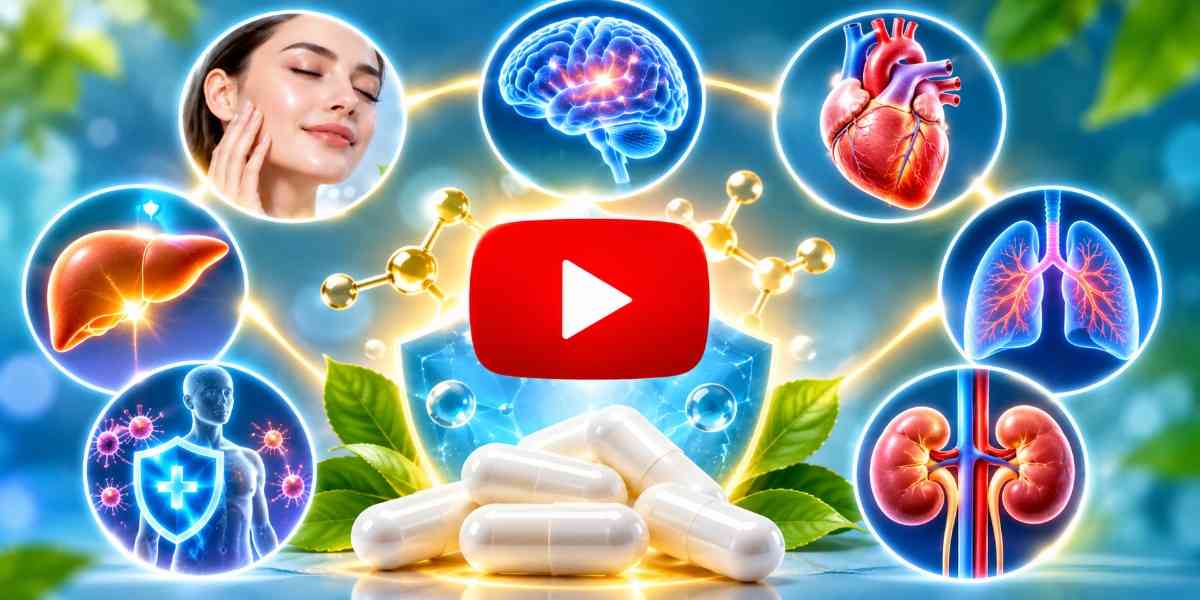
👉 DON’T TRY THIS “BENEFITS OF LIPOSOMAL GLUTATHIONE” UNTIL YOU SEE THIS
2. Supports Healthy Liver Function
Glutathione plays an important role in normal liver metabolism and detoxification pathways.
The liver uses glutathione-dependent processes to help manage certain metabolic byproducts, medications, and potentially harmful compounds.
Adequate glutathione levels support normal antioxidant activity in the liver.
However, claims that liposomal glutathione reverses fatty liver disease, repairs liver damage, or rapidly eliminates toxins remain inadequately supported.
People with abnormal liver tests should seek medical evaluation rather than relying on supplements.
3. May Support Skin Brightening and Even Skin Tone
Liposomal glutathione for skin whitening has become a popular skincare search topic.
Glutathione may influence melanin-related pathways while supporting antioxidant protection within skin cells.
Some small clinical studies of oral glutathione have reported modest changes in pigmentation.
However, these findings do not establish that every liposomal formulation produces visible skin brightening.
Skin pigmentation depends on genetics, hormones, ultraviolet exposure, inflammation, and underlying dermatological conditions.
Daily sunscreen and appropriate skincare remain important for managing uneven pigmentation.
4. May Support Immune System Function
Glutathione helps maintain antioxidant balance within immune cells.
Its biological functions influence cellular signaling and processes involved in normal immune responses.
A small human pilot study investigating liposomal glutathione reported changes in selected immune markers alongside increased glutathione measurements.
Nevertheless, these preliminary findings do not establish protection against infections or improved immunity in healthy adults.
5. Supports Cellular Health and Healthy Aging
Glutathione contributes to cellular maintenance by helping regulate oxidative stress.
Researchers are investigating whether maintaining glutathione availability could influence biological processes associated with aging.
Interest has expanded alongside popular longevity discussions involving NAD+, mitochondrial function, and antioxidant supplements.
However, no convincing clinical evidence demonstrates that liposomal glutathione reverses aging, extends lifespan, or restores youthful cellular function.
👉 DON’T TRY THIS “BENEFITS OF LIPOSOMAL GLUTATHIONE” UNTIL YOU SEE THIS
6. May Help Maintain Glutathione Levels
Glutathione concentrations can be influenced by aging, nutritional status, illness, and oxidative stress.
Liposomal supplementation has shown promising results in small studies measuring glutathione concentrations in blood and cells.
These findings suggest certain formulations may help increase measurable glutathione stores.
However, the magnitude and consistency of improvement depend on the formulation, dose, and individual characteristics.
7. May Support Recovery From Oxidative Stress
Exercise and other physiological activities temporarily increase reactive oxygen species.
Glutathione participates in maintaining antioxidant balance during these processes.
This has generated interest among athletes and wellness enthusiasts.
However, direct evidence that liposomal glutathione improves exercise recovery, reduces soreness, or enhances athletic performance remains insufficient.
Antioxidant supplementation should not replace adequate nutrition, hydration, sleep, or appropriate recovery from training.
Liposomal Glutathione vs Regular Glutathione: Which Is Better?
| Feature | Liposomal Glutathione | Regular Glutathione |
| Delivery | Phospholipid-based | Conventional oral |
| Absorption | May be improved | Variable |
| Antioxidant activity | Same active molecule | Same active molecule |
| Research | Promising early evidence | Human studies available |
| Cost | Generally higher | Generally lower |
| Clinical superiority | Not established | Not established |
A 2026 randomized crossover pilot study compared standard, liposomal, and micellar glutathione formulations.
Results indicated that formulation technology influences systemic glutathione exposure, with the tested micellar formulation showing particularly promising absorption.
What Does the Latest 2026 Research Say?
Research published in 2026 has expanded scientific interest in glutathione delivery systems.
A randomized crossover study involving fourteen healthy adults evaluated oral glutathione absorption using several formulations.
Researchers measured changes in blood glutathione concentrations and related metabolites.
The findings suggested that advanced delivery technologies may improve systemic exposure, although larger studies are needed to establish clinical benefits.
Another 2026 systematic review examined glutathione’s potential applications in skin aging, pigmentation, and tissue regeneration.
Its findings highlight promising biological mechanisms alongside important limitations in available clinical evidence.
👉 DON’T TRY THIS “BENEFITS OF LIPOSOMAL GLUTATHIONE” UNTIL YOU SEE THIS
Viral Liposomal Glutathione Hacks: Do They Actually Work?
➢ Morning Glutathione Detox Hack
Some wellness influencers recommend taking liposomal glutathione immediately after waking.
However, research has not shown that morning supplementation provides better detoxification benefits.
The liver and kidneys continuously process waste products without requiring special supplement routines.
➢ Liposomal Glutathione With Vitamin C
Combining glutathione with vitamin C has become a popular antioxidant wellness routine.
Both participate in cellular antioxidant processes, but evidence supporting superior outcomes from this particular combination remains limited.
➢ Liposomal Glutathione for Glass Skin
The glass skin trend often links glutathione supplementation to brighter, smoother skin.
Although oral glutathione has shown possible pigmentation effects in limited studies, dramatic whitening claims remain unsupported.
Daily sun protection offers more established benefits for preventing pigmentation changes.
How Much Liposomal Glutathione Should You Take Daily?
There is no universally established daily dosage for liposomal glutathione.
Clinical investigations have examined different doses, including approximately 500–1,000 milligrams daily.
However, research doses should not automatically be interpreted as recommended amounts for everyone.
Dosage decisions depend on health status, formulation, medical history, and professional guidance.
Higher doses do not necessarily produce better results.
Best Time to Take Liposomal Glutathione
No high-quality evidence shows a universally superior time for supplementation.
Morning and evening dosing may both be reasonable if it fits your product’s instructions.
Taking supplements with food may improve tolerability for some individuals.
Follow formulation-specific directions and avoid exceeding recommended serving amounts.
Liposomal Glutathione Side Effects and Risks
Liposomal glutathione appears generally well tolerated in small, short-term studies.
Potential adverse effects include digestive discomfort, bloating, nausea, and sensitivities to ingredients.
Long-term safety information remains limited.
Pregnant or breastfeeding individuals, people receiving cancer treatment, and those managing chronic illnesses should consult healthcare professionals before supplementation.
How to Choose the Best Liposomal Glutathione Supplement
When comparing products, prioritize transparent labeling and independent quality verification.
Look for clearly stated glutathione quantities, phospholipid ingredients, manufacturing standards, and appropriate storage instructions.
Avoid products promising instant detoxification, guaranteed skin whitening, or disease reversal.
A higher price doesn’t automatically mean better absorption or effectiveness.
Conclusion: Are the Benefits of Liposomal Glutathione Worth Considering?
Liposomal glutathione offers a promising approach to antioxidant supplementation through advanced delivery technology.
Its potential benefits include supporting glutathione availability, normal cellular antioxidant defenses, and physiological processes involved in liver and immune function.
However, dramatic claims involving skin whitening, rapid detoxification, weight loss, and anti-aging effects require stronger evidence.
The key takeaway is that liposomal glutathione may improve glutathione delivery, but increased absorption should not be mistaken for proven improvements in overall health.
👉 DON’T TRY THIS “BENEFITS OF LIPOSOMAL GLUTATHIONE” UNTIL YOU SEE THIS
References
- Wikipedia
https://en.wikipedia.org/wiki/Glutathione
- Healthline
https://www.healthline.com/health/glutathione-benefits
- PubMed – Liposomal Glutathione and Immune Function
https://pubmed.ncbi.nlm.nih.gov/28853742/
About Us
