
Does TRT Cause Hair Loss? Causes and Prevention Tips
Testosterone replacement therapy (TRT) can cause or accelerate hair loss in some men, particularly those who are genetically predisposed to male pattern baldness.
However, TRT does not automatically cause hair loss in everyone. The outcome depends on genetics, hormone sensitivity, treatment levels, age, and other factors affecting hair growth.
As interest in testosterone optimization grows across social media, discussions about TRT and hair loss have expanded to include viral prevention hacks, DHT blockers, scalp treatments, and claims that certain supplements can protect hair.
Understanding which approaches have scientific support and which remain unproven is essential before changing a hormone treatment or starting a hair-loss product.
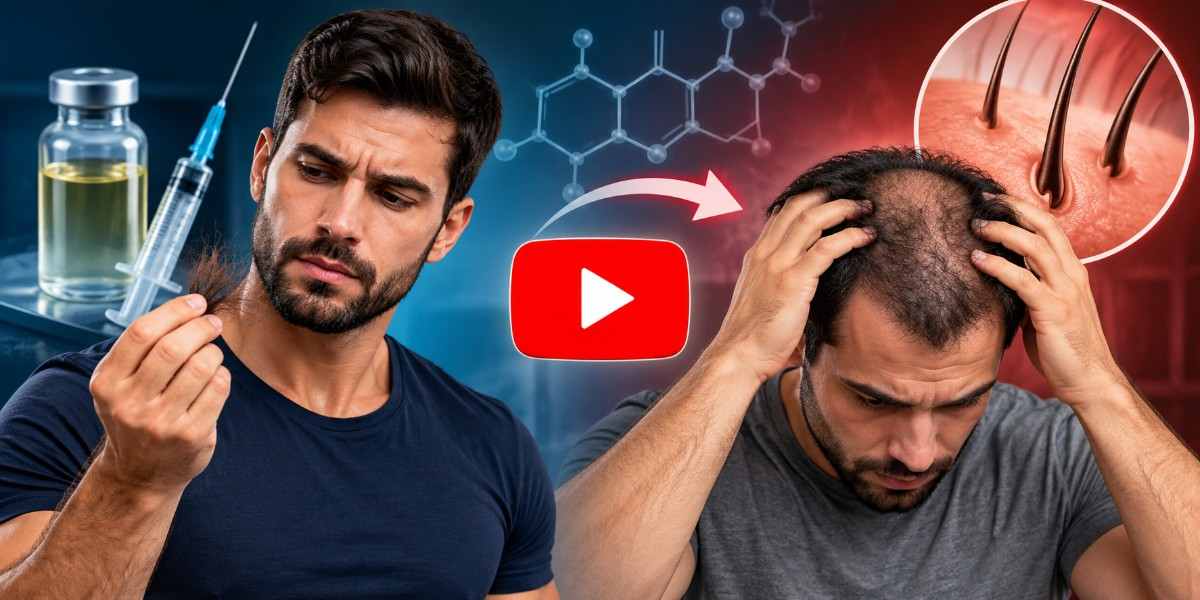

This evidence-based guide explains how testosterone and dihydrotestosterone (DHT) affect hair follicles, when shedding may begin, what may help protect hair, and when to consult a qualified healthcare professional.
What Is TRT and Why Do Men Use It?
Testosterone replacement therapy is a medical treatment used to restore testosterone levels in men with confirmed testosterone deficiency, also called hypogonadism.
Doctors may prescribe it as injections, gels, patches, or other approved formulations, depending on the patient’s needs and what’s available locally.
Men with testosterone deficiency may experience reduced libido, low energy, decreased muscle mass, and other symptoms. When properly prescribed, TRT can help address these symptoms.
However, TRT is not intended as a routine anti-aging treatment or a shortcut for muscle growth in otherwise healthy men. Its benefits and risks require individual assessment.
The important connection: testosterone supports many normal body functions, but it can also be converted into dihydrotestosterone, or DHT, a hormone involved in genetically influenced hair loss.
How Does TRT Cause Hair Loss?
The link between TRT and hair loss mainly involves DHT and of individual hair follicles are.
➢ Understanding Testosterone and DHT
An enzyme called 5-alpha-reductase converts some testosterone into DHT. DHT plays important roles in male development, but it can also contribute to androgenetic alopecia, commonly known as male pattern baldness.
In genetically susceptible people, DHT binds to androgen receptors in scalp follicles. Over time, affected follicles can shrink, producing progressively finer, shorter hairs.
This process is called follicular miniaturization. Eventually, some affected follicles produce very little visible hair.
➢ Why Does TRT Increase the Risk?
TRT increases testosterone availability in men whose levels were previously low. This can provide more substrate for DHT production, potentially accelerating hair thinning in susceptible individuals.
However, the relationship is not straightforward. Hair loss depends on genetics, local scalp hormone activity, follicular sensitivity, treatment exposure, and other factors.
A recent systematic review published in 2026 examined androgen supplementation and hair loss, highlighting the importance of understanding both the available evidence and its limitations.
Research does not establish that every man receiving medically supervised TRT will develop baldness.
Who Is Most Likely to Experience Hair Loss on TRT?
Your individual risk matters more than the mere fact that you use testosterone.
Men may have a higher likelihood of androgen-related hair thinning if they have:
- Family history: Close relatives with early male pattern baldness may indicate inherited susceptibility.
- Existing hairline recession: Thinning around the temples or crown may suggest that follicular miniaturization has already started.
- High follicular sensitivity: Some men experience substantial hair loss even when their circulating hormone levels are within normal ranges.
- Increasing age: Genetic hair loss becomes more common as men grow older.
- Nonmedical testosterone use: Performance-enhancing doses may produce hormone exposure that differs substantially from medically supervised replacement therapy.
These factors do not guarantee hair loss. They simply help identify people who may benefit from discussing prevention and monitoring with a clinician.
When Does TRT-Related Hair Loss Start?
There is no universal timeline for hair loss after starting testosterone replacement therapy.
Some men notice increased shedding or a changing hairline within the first several months, while others experience gradual thinning over a longer period. Some notice no meaningful changes.
The timing depends on the underlying hair-loss process, individual hormone sensitivity, and whether other causes of shedding are present.
A useful approach is to document your hairline and crown before treatment begins, then take photographs under consistent lighting every four weeks. This can help distinguish a real pattern from normal day-to-day variation.
Don’t assume every loose hair means TRT is damaging your follicles. Normal hair cycling involves shedding, and temporary shedding can also follow illness, significant stress, weight loss, or nutritional deficiencies.
Can You Prevent Hair Loss While Taking TRT?
Yes, you may be able to reduce or manage hair loss, but complete prevention cannot be guaranteed. The most appropriate strategy depends on the cause and severity of thinning.
1. Discuss Finasteride With Your Doctor
Finasteride inhibits the 5-alpha-reductase enzyme, reducing the conversion of testosterone into DHT. Oral finasteride is an established treatment for male pattern hair loss in appropriate patients.
A clinician may consider it for someone receiving TRT who is experiencing androgen-related thinning. However, it is not suitable for everyone.
Potential adverse effects include sexual side effects and mood-related concerns. Discuss your medical history, current medications, fertility considerations, and personal preferences before using it.
Do not automatically start finasteride simply because you have begun TRT.
2. Consider Minoxidil
Topical minoxidil is another established treatment for androgenetic alopecia. It supports hair growth and prolongs the active growth phase of hair follicles.
It does not directly block DHT, so it works differently than finasteride.
Results take time, and continued use is generally needed to maintain benefits. Scalp irritation and unwanted hair growth can occur.
A dermatologist can help determine whether minoxidil is appropriate for your pattern of hair loss.
3. Keep Testosterone Within the Prescribed Treatment Target
Do not increase your dose on your own to improve energy, muscle growth, or sexual performance.
Testosterone treatment should aim to restore appropriate levels for the individual, with follow-up testing and monitoring for adverse effects.
Higher testosterone exposure is not a proven way to improve every TRT-related symptom, and unnecessary dose escalation may increase risks.
If hair loss develops, discuss your symptoms, laboratory results, and treatment goals with your prescriber before making changes.
4. Check for Other Causes of Shedding
Hair loss is not always caused by testosterone or DHT.
Depending on your symptoms and medical history, a clinician may consider iron deficiency, thyroid disorders, inadequate nutrition, recent illness, medication effects, or telogen effluvium, a temporary shedding condition.
Identifying the underlying cause prevents you from treating the wrong problem.
Viral TRT Hair-Loss Hacks: What Actually Works?
Social media frequently promotes quick fixes for preventing hair loss while taking testosterone. Some approaches have evidence behind them, while others are based mainly on anecdotes.
✅ The DHT-Blocking Supplement Trend
Products containing saw palmetto, pumpkin seed oil, or other botanical ingredients are often promoted as natural DHT blockers.
However, evidence supporting these supplements for preventing TRT-related hair loss is limited. Their effectiveness, formulation, and safety vary, and they should not be assumed to work like prescription finasteride.
Natural does not automatically mean effective or risk-free.
✅ The Daily Scalp-Massage Hack
Scalp massage is popular in online hair-growth routines because it is inexpensive and easy to perform.
Gentle massage may help with relaxation and scalp care, but strong clinical evidence that it prevents androgenetic alopecia or offsets TRT-related DHT activity is lacking.
Avoid aggressive rubbing or pulling, which can damage fragile hair.
✅ The Microneedling Trend
Microneedling uses small needles to create controlled injuries in the scalp. Some research suggests that professionally supervised microneedling combined with established hair-loss treatments may improve outcomes in selected patients.
However, evidence does not establish microneedling as a reliable standalone method for preventing TRT-related hair loss.
Incorrect technique can cause infection, irritation, scarring, or other complications. Seek professional guidance rather than copying unverified online routines.
✅ The Rosemary Oil and Caffeine Shampoo Claims
Rosemary oil and caffeine-based hair products are often presented as natural alternatives to medical treatment.
Some preliminary findings are interesting, but evidence remains insufficient to conclude that these products prevent TRT-induced hair loss.
Shampoos may improve scalp cleanliness and hair appearance, but washing away oil or applying a stimulating ingredient does not necessarily stop follicular miniaturization.
Practical takeaway: Prioritize treatments supported by clinical evidence instead of combining multiple viral products without a clear plan.
Does Lowering TRT Dosage Stop Hair Loss?
Reducing testosterone exposure may affect androgen activity, but it does not guarantee hair loss will stop or reverse.
The appropriate testosterone dose depends on the original diagnosis, symptoms, blood results, formulation, and treatment goals. Lowering it without medical guidance could allow symptoms of testosterone deficiency to return.
If you notice substantial thinning, ask your prescriber to review your testosterone levels, dose, administration schedule, and other possible causes.
Never stop TRT suddenly or alter the dosing schedule solely because of online advice. Your clinician can help weigh the benefits of treatment against its adverse effects and discuss alternatives where appropriate.
Does TRT Hair Loss Grow Back?
Hair regrowth depends on the cause and how advanced the follicular changes have become.
Temporary shedding from a reversible trigger may improve after the underlying cause is addressed. Early androgenetic alopecia may also respond to treatments such as finasteride or minoxidil.
However, follicles affected by advanced miniaturization may not recover fully. This is one reason early assessment is valuable.
Stopping testosterone does not guarantee that lost hair will return. If inherited male pattern baldness is progressing, it may continue even after changes to hormone treatment.
A dermatologist can assess whether your follicles appear miniaturized, whether another condition is responsible, and which treatments may offer realistic benefits.
Is TRT Hair Loss Permanent?
TRT-associated hair loss can become long-lasting when it reflects progressive androgenetic alopecia.
DHT-sensitive follicles may gradually produce thinner hairs over time. If this process advances significantly, treatment may not fully restore hair.
Not all shedding is permanent, however. Temporary hair-cycle disturbances can improve once the underlying trigger is addressed.
If you experience sudden, patchy, painful, or unusually extensive hair loss, seek medical assessment rather than assuming it is a normal TRT side effect.
Common Mistakes Men Make About TRT and Hair Loss
Several misconceptions can lead to unnecessary anxiety or ineffective treatment.
❌️ Assuming TRT always causes baldness: Genetic susceptibility and individual follicular responses vary.
❌️ Taking finasteride without medical advice: Consider potential adverse effects and personal contraindications.
❌️ Using multiple supplements at once: This makes it hard to assess benefits, side effects, and interactions.
❌️ Increasing testosterone independently: Unsupervised dosing can increase health risks without guaranteeing better outcomes.
❌️ Expecting immediate regrowth: Hair treatments commonly require months of consistent use before their effectiveness can be evaluated.
❌️ Ignoring other medical causes: Nutritional deficiencies, thyroid conditions, and temporary shedding disorders may require different treatments.
A structured, clinician-guided plan is more useful than chasing every trending hair-growth claim.
When Should You See a Doctor?
Arrange an appointment with your prescribing clinician or a dermatologist if you notice a receding hairline, progressive crown thinning, persistent shedding, or changes that concern you after starting TRT.
Seek prompt assessment if hair loss is sudden, patchy, associated with scalp inflammation, or accompanied by other unexplained symptoms.
Your evaluation may include a scalp examination, review of your medical history and medications, and targeted blood tests when indicated.
Hormone measurements should be interpreted according to your prescribed treatment and the timing of testing.
TRT also requires broader safety monitoring. Appropriate follow-up helps assess treatment response and adverse effects, rather than focusing exclusively on hair.
Conclusion: Does TRT Cause Hair Loss?
TRT can accelerate male pattern hair loss in genetically susceptible men, but it does not inevitably cause baldness.
The principal concern is DHT activity in sensitive scalp follicles, although other causes of shedding must also be considered.
Evidence-supported options such as finasteride and minoxidil may help some patients, while viral remedies and natural DHT-blocking supplements have less evidence.
I recommend documenting your hair changes, discussing prevention early with your healthcare professional, and keeping testosterone treatment within its prescribed target.
Do not sacrifice medically necessary treatment or risk your health by following unverified online hacks.
The best approach is individualized: confirm the cause of hair loss, choose treatments with credible evidence, and monitor progress consistently.
References
- Healthline — Hair Loss and Testosterone: https://www.healthline.com/health/hair-loss-and-testosterone
- WebMD — Is Testosterone Replacement Therapy Right for You? https://www.webmd.com/men/testosterone-replacement-therapy-is-it-right-for-you
- PubMed — Hair Loss in Athletic Testosterone Use in Males: A Narrative Review: https://pubmed.ncbi.nlm.nih.gov/39572081/
About Us
