
Does an Enlarged Prostate Cause ED? Causes & Treatments
Does an Enlarged Prostate Cause ED? Yes, BPH may contribute to erectile problems through urinary symptoms, sleep disruption, and medications.
While most people associate prostate enlargement with frequent urination, weak urine flow, and nighttime bathroom visits, many men also wonder whether it can affect their sexual performance.
An enlarged prostate, medically known as benign prostatic hyperplasia (BPH), is associated with erectile dysfunction (ED), but the relationship involves several factors.

👉 DON’T TRY THIS “10-SECOND PROSTATE TRICK” UNTIL YOU SEE THIS
Some men with an enlarged prostate experience difficulty achieving or maintaining an erection.
Others notice changes in ejaculation, reduced sexual confidence, or discomfort related to urinary symptoms. However, many men with BPH continue to have normal erectile function.
The connection between prostate enlargement and erectile dysfunction may involve aging, blood vessel health, nerve signaling, medication side effects, and the physical or emotional effects of urinary problems.
Understanding these factors is important because both conditions are common, and effective treatments are available.
This guide explains how an enlarged prostate may affect erections, the symptoms to recognize, available treatment options, and practical ways to protect sexual health.
What is an Enlarged Prostate?
An enlarged prostate, also called benign prostatic hyperplasia (BPH), is a noncancerous increase in the size of the prostate gland.
The prostate is a small, walnut-shaped gland located below the bladder and in front of the rectum. It surrounds part of the urethra, the tube responsible for carrying urine out of the body.
The prostate also produces fluid that forms part of semen and supports reproductive function.
As men age, the prostate often becomes larger. This growth can press on the urethra and disrupt normal urine flow.
Common symptoms of an enlarged prostate include:
-
Frequent urination, especially at night
-
Difficulty starting urination
-
Weak or interrupted urine flow
-
A sudden or urgent need to urinate
-
Dribbling after urination
-
Feeling that the bladder has not emptied completely
-
Straining while urinating
Not every man with an enlarged prostate develops noticeable symptoms. The severity of urinary problems does not always correspond to prostate size.
Important: An enlarged prostate is not the same as prostate cancer, although both conditions can occur in the same person.
👉 DON’T TRY THIS “10-SECOND PROSTATE TRICK” UNTIL YOU SEE THIS
Does an Enlarged Prostate Cause Erectile Dysfunction?
An enlarged prostate does not necessarily cause erectile dysfunction directly, but BPH and ED frequently occur together.
Research has identified an association between lower urinary tract symptoms and erectile dysfunction, even after accounting for some shared risk factors.
However, an association does not prove that prostate enlargement itself causes erection problems.
First, both conditions become more common with age. Blood vessels, nerves, and tissues involved in sexual function may change over time.
Second, BPH and ED share risk factors, including diabetes, cardiovascular disease, obesity, and physical inactivity.
Third, bothersome urinary symptoms can disrupt sleep, increase anxiety, and reduce sexual confidence.
Finally, certain treatments for prostate enlargement may produce sexual side effects, including changes in erections, ejaculation, or sexual desire.
The important distinction is that having BPH does not mean a man will develop ED, and erectile dysfunction should not automatically be blamed on the prostate.
A medical evaluation can help identify whether ED is related to vascular health, medications, hormonal changes, psychological factors, or another condition.
How Does an Enlarged Prostate Affect Erections?
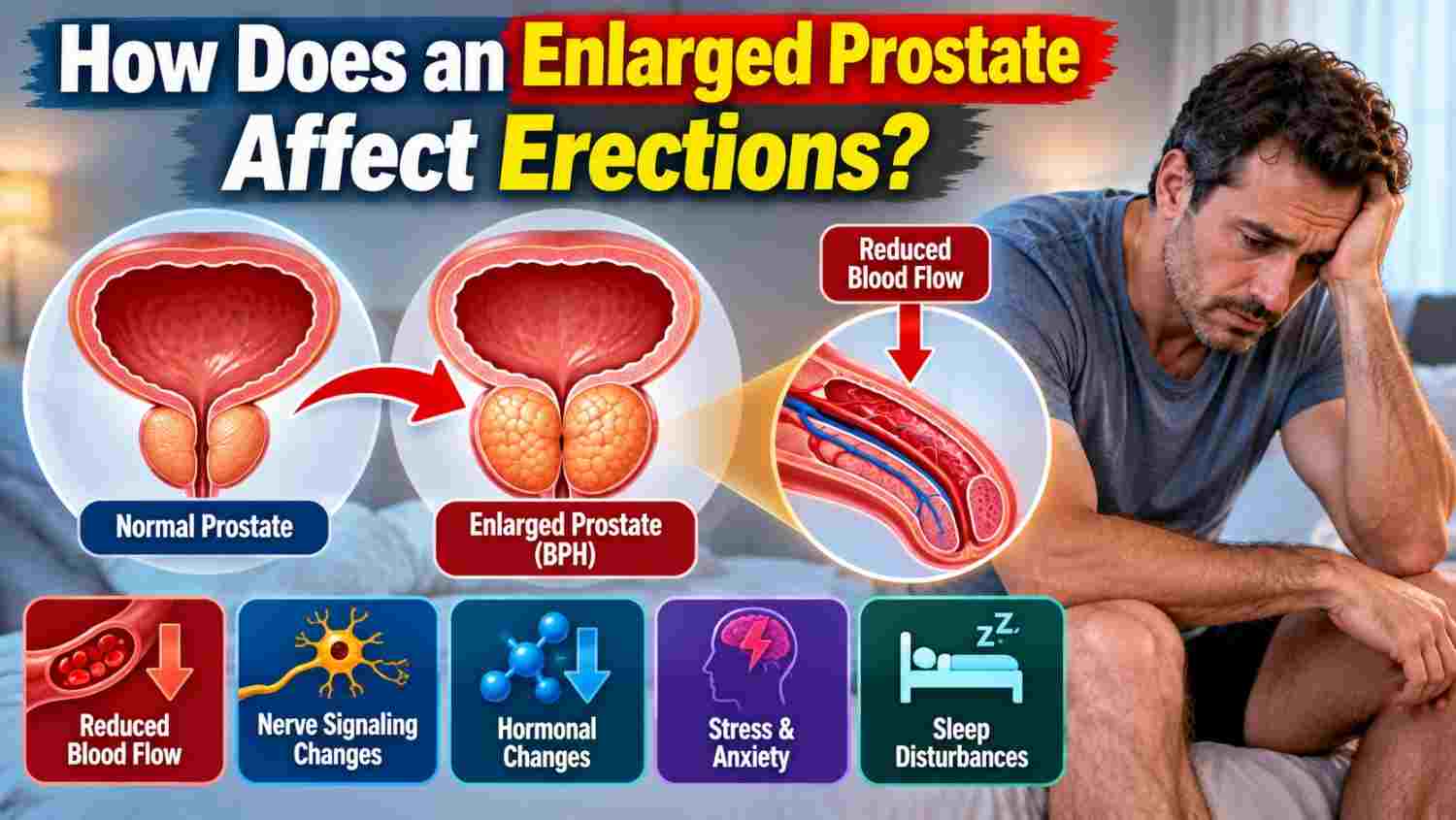
Although prostate enlargement mainly affects urination, several mechanisms may explain why men with BPH sometimes experience sexual difficulties.
👉 DON’T TRY THIS “10-SECOND PROSTATE TRICK” UNTIL YOU SEE THIS
1. Changes in Blood Vessel Function
An erection depends on adequate blood flow into the erectile tissues of the penis.
When a man becomes sexually aroused, blood vessels relax and allow more blood to enter these tissues. The resulting pressure helps create and maintain an erection.
Blood vessel dysfunction can interfere with this process. Men with BPH may also have cardiovascular conditions that affect circulation. These shared health problems can contribute to erectile dysfunction.
Importantly, prostate enlargement does not usually block blood flow to the penis directly.
2. Changes in Nerve and Smooth Muscle Signaling
The prostate, bladder, and penis rely on coordinated nerve activity and smooth muscle function. The autonomic nervous system helps regulate urination and sexual responses.
Researchers have proposed that changes in sympathetic nervous system activity and smooth muscle signaling may contribute to both urinary symptoms and erectile dysfunction.
These mechanisms remain areas of investigation and should not be interpreted as proof that an enlarged prostate directly damages the nerves responsible for erections.
3. Sleep Disturbances from Frequent Urination
Nocturia, or waking repeatedly at night to urinate, is a common symptom of BPH.
Interrupted sleep can contribute to fatigue, irritability, reduced energy, and decreased interest in sexual activity.
Persistent sleep problems may also worsen existing physical or psychological factors associated with erectile dysfunction.
Treating bothersome nighttime urinary symptoms may improve overall well-being and sexual confidence.
4. Stress and Performance Anxiety
Men experiencing urinary urgency, leakage, or frequent bathroom visits may become concerned about intimacy. These worries can lead to embarrassment, anxiety, and reduced sexual confidence.
Because sexual arousal involves both physical and psychological processes, ongoing stress may make erections more difficult.
Addressing anxiety and urinary symptoms together may help improve sexual well-being.
5. Side Effects of Prostate Medications
Some medications used to treat BPH can affect sexual function. For example, finasteride and dutasteride may cause reduced libido, erectile difficulties, or changes in ejaculation in some men.
Alpha-blockers can also cause ejaculatory changes, although their effects on erections vary.
Medication-related sexual symptoms should be discussed with a healthcare professional rather than managed by abruptly stopping treatment.
What Are the Symptoms of ED Associated With an Enlarged Prostate?
Erectile dysfunction can develop gradually or appear more suddenly, depending on its underlying cause. Men who have both BPH and ED may experience urinary symptoms alongside changes in sexual performance.
Common symptoms include:
-
Difficulty achieving an erection: Trouble developing an erection firm enough for sexual activity.
-
Difficulty maintaining an erection: Losing firmness before completing sexual intercourse.
-
Reduced sexual confidence: Anxiety or frustration related to changes in erectile performance.
-
Lower sexual desire: Reduced interest in intimacy, which may be associated with medications, hormones, or emotional health.
-
Ejaculation changes: Reduced semen volume or altered ejaculation, sometimes associated with prostate treatments.
-
Nighttime urinary problems: Frequent trips to the bathroom that disrupt sleep and overall well-being.
For example, difficulty maintaining an erection may reflect cardiovascular disease, while changes in ejaculation could be related to a prostate medication.
Persistent erectile dysfunction deserves medical attention, even when prostate enlargement has already been diagnosed.
👉 DON’T TRY THIS “10-SECOND PROSTATE TRICK” UNTIL YOU SEE THIS
What is the Difference Between BPH and Erectile Dysfunction?
Although BPH and ED can occur together, they affect different aspects of men’s health.
| Feature | Enlarged Prostate (BPH) | Erectile Dysfunction (ED) |
|---|---|---|
| Main problem | Prostate enlargement affecting urinary function | Difficulty achieving or maintaining erections |
| Primary symptoms | Weak urine flow, urgency, frequent urination | Reduced erection firmness or duration |
| Common risk factors | Increasing age, family history, metabolic factors | Diabetes, cardiovascular disease, age, medications |
| Diagnosis | Medical history, examination, urine tests, selected prostate tests | Medical and sexual history, examination, selected blood tests |
| Treatment | Lifestyle changes, medications, procedures | Lifestyle changes, medications, devices, counseling |
| Can both occur together? | Yes | Yes |
Understanding these differences helps prevent the assumption that treating the prostate will automatically resolve erectile dysfunction.
Can Prostate Enlargement Cause Low Testosterone?
An enlarged prostate does not usually cause testosterone levels to fall. The testicles primarily produce testosterone, which the brain regulates through hormonal signals.
However, hormonal changes associated with aging may occur alongside BPH and ED.
Men with low testosterone may experience reduced sexual desire, fatigue, fewer spontaneous erections, and other symptoms.
Low testosterone is not the cause of every erection problem. Many men with erectile dysfunction have testosterone levels within the normal range.
A healthcare professional may recommend morning testosterone testing when symptoms suggest a hormonal deficiency.
Testosterone treatment is appropriate only for selected patients with confirmed deficiency and requires discussion of its benefits, risks, and prostate-related considerations.
How is Erectile Dysfunction Diagnosed in Men With BPH?
A doctor will usually begin by reviewing the patient’s urinary symptoms, sexual history, medical conditions, and current medications.
The evaluation may include:
Medical history: Questions about when erectile difficulties started, how often they occur, and whether erections happen during sleep or masturbation.
Physical examination: Assessment of blood pressure, circulation, genital health, and other findings relevant to erectile function.
Blood tests: Testing for diabetes, cholesterol abnormalities, or hormonal problems when clinically appropriate.
Urinary evaluation: Urinalysis and assessment of urinary symptoms to identify BPH or another urinary condition.
Prostate assessment: A prostate examination, PSA testing, or additional investigations may be considered based on age, symptoms, and individual risk.
Specialized erectile function testing is not necessary for every patient.
The purpose of the evaluation is to identify treatable causes rather than assume the prostate is responsible for every sexual symptom.
How to Improve Erections With an Enlarged Prostate
Men experiencing both urinary problems and erectile dysfunction have several treatment options.
The most suitable approach depends on prostate symptoms, cardiovascular health, current medications, and personal preferences.

👉 DON’T TRY THIS “10-SECOND PROSTATE TRICK” UNTIL YOU SEE THIS
1. Consider Tadalafil for BPH and ED
Tadalafil is a prescription medication in the phosphodiesterase type 5 (PDE5) inhibitor class. It improves erectile function by supporting the blood vessel relaxation involved in erections.
Tadalafil can also help relieve certain lower urinary tract symptoms associated with BPH. A commonly prescribed regimen for suitable patients with BPH is tadalafil 5 mg once daily.
The American Urological Association recommends discussing this option with men experiencing urinary symptoms related to BPH, including those who also have ED.
Important safety warning: Tadalafil must not be combined with nitrate medications used for certain heart conditions because the combination can cause a dangerous fall in blood pressure. Use caution with alpha-blockers and some other medications.
2. Review Prostate Medications
Men who develop erectile difficulties after starting prostate medication should discuss the timing of their symptoms with their prescribing clinician.
Alpha-blockers, such as tamsulosin, primarily relax muscles around the prostate and bladder outlet.
Finasteride and dutasteride work differently by reducing the hormonal stimulation responsible for prostate growth.
Some men taking 5-alpha reductase inhibitors experience sexual side effects.
Depending on the situation, a doctor may adjust treatment, consider an alternative medication, or investigate other causes.
3. Manage Underlying Health Conditions
Cardiovascular disease, high blood pressure, diabetes, and obesity can contribute to erectile dysfunction.
These conditions may affect the blood vessels and nerves involved in erections.
Managing blood sugar, blood pressure, cholesterol, and body weight can support overall vascular health.
Erectile dysfunction can sometimes be an early sign of cardiovascular disease, making a general health assessment especially important.
4. Improve Physical Activity
Regular physical activity supports cardiovascular health and may improve erectile function.
Activities such as brisk walking, swimming, cycling, and resistance training can improve fitness and support weight management.
Men should choose activities appropriate for their health and physical abilities. Exercise may also improve sleep quality, support stress management, and boost overall well-being.
5. Follow a Heart-Healthy Diet
Eating patterns that support cardiovascular health may also benefit erectile function.
A balanced diet can include vegetables, fruits, whole grains, legumes, nuts, fish, and sources of unsaturated fats.
Limiting excessive alcohol, highly processed foods, and excess sodium may help manage relevant health risks.
Dietary changes do not directly shrink an enlarged prostate or guarantee improvement in erections, but they can support long-term health.
6. Improve Sleep Quality
Frequent nighttime urination can make it hard to get restful sleep.
Men with BPH may benefit from reducing large fluid intakes close to bedtime and limiting evening caffeine or alcohol.
However, adequate hydration during the day remains important. Persistent nighttime urination may also result from sleep apnea, diabetes, or other conditions.
7. Address Psychological Factors
Stress, relationship difficulties, and performance anxiety may contribute to erectile dysfunction.
Counseling or sex therapy can be helpful when emotional factors are significant. Open communication with a partner may reduce pressure surrounding sexual activity.
Psychological treatment can also complement medical therapy when both physical and emotional factors are present.
👉 DON’T TRY THIS “10-SECOND PROSTATE TRICK” UNTIL YOU SEE THIS
Can Prostate Surgery Cause Erectile Dysfunction?
Some men require procedures or surgery when medications do not adequately relieve urinary symptoms.
Common BPH procedures include transurethral resection of the prostate (TURP), laser procedures, and selected minimally invasive treatments.
For example, TURP commonly causes changes in ejaculation, particularly reduced or absent forward ejaculation. New erectile dysfunction is possible but less common than ejaculatory changes.
Some minimally invasive procedures are designed to reduce the risk of sexual side effects in appropriately selected patients.
Before undergoing treatment, men should ask their urologist about the likelihood of changes in erections, ejaculation, fertility, and urinary function.
Erectile dysfunction and ejaculatory dysfunction are different conditions. A man may maintain normal erections while experiencing changes in semen release.
Can Treating an Enlarged Prostate Improve Erectile Dysfunction?
Treating BPH may improve sexual well-being, especially when urinary symptoms are causing poor sleep, discomfort, or anxiety.
However, improvement in urinary function does not guarantee better erections. The outcome depends on the treatment selected and the underlying cause of ED.
For example, tadalafil may help both erectile function and BPH-related urinary symptoms. Other prostate medications primarily improve urination and may not directly improve erections.
If erectile dysfunction results from diabetes, cardiovascular disease, or hormonal abnormalities, those conditions may require separate treatment.
A coordinated treatment plan is often more effective than focusing exclusively on prostate size.
When Should You See a Doctor?
Men should seek medical advice when erectile difficulties persist, interfere with intimacy, or occur alongside troublesome urinary symptoms.
A medical appointment is particularly important if symptoms develop suddenly or occur with other health changes.
Seek prompt medical attention for:
-
Blood in the urine
-
Recurrent urinary tract infections
-
Persistent pelvic pain
-
Significant changes in urination
-
New erectile difficulties alongside cardiovascular risk factors
Seek urgent medical care if you cannot urinate at all, especially when accompanied by severe lower abdominal pain.
Chest pain or other symptoms suggesting a heart attack also require emergency assessment. Early evaluation can identify treatable conditions and help prevent complications.
Conclusion
Does an enlarged prostate cause ED? The most accurate answer is that benign prostatic hyperplasia and erectile dysfunction are closely associated, but prostate enlargement does not always directly cause erection problems.
Both conditions become more common with age and share several health-related risk factors.
Cardiovascular disease, diabetes, medication side effects, disrupted sleep, and emotional stress can all contribute to sexual difficulties.
Men experiencing urinary symptoms and erectile dysfunction should avoid assuming that both problems have the same cause.
Treatment options include lifestyle improvements, prescription medications, management of cardiovascular risk factors, and selected prostate procedures.
Tadalafil may be particularly useful for certain men who experience both BPH symptoms and erectile dysfunction.
The encouraging news is that erectile dysfunction is often treatable, even when prostate enlargement is also present.
👉 DON’T TRY THIS “10-SECOND PROSTATE TRICK” UNTIL YOU SEE THIS
References
- https://www.webmd.com/men/prostate-enlargement-bph/what-is-bph
- https://www.mayoclinic.org/diseases-conditions/benign-prostatic-hyperplasia/
- https://www.healthline.com/health/erectile-dysfunction/bph-and-erectile-dysfunction?
- https://en.wikipedia.org/wiki/Benign_prostatic_hyperplasia
About Us
