
Will Baking Soda Help A Yeast Infection?: Does It Really Work?
Will baking soda help a yeast infection? Baking soda may temporarily relieve certain types of external skin irritation, but insufficient scientific evidence shows it treats vaginal yeast infections.
Antifungal medications remain the recommended treatment for eliminating the infection and preventing persistent symptoms.
Yeast infections are a common health concern, particularly among women. They can cause uncomfortable symptoms such as itching, burning, redness, swelling, and changes in vaginal discharge.
One popular remedy is baking soda, a familiar household ingredient commonly used for cooking, cleaning, and certain personal care purposes.
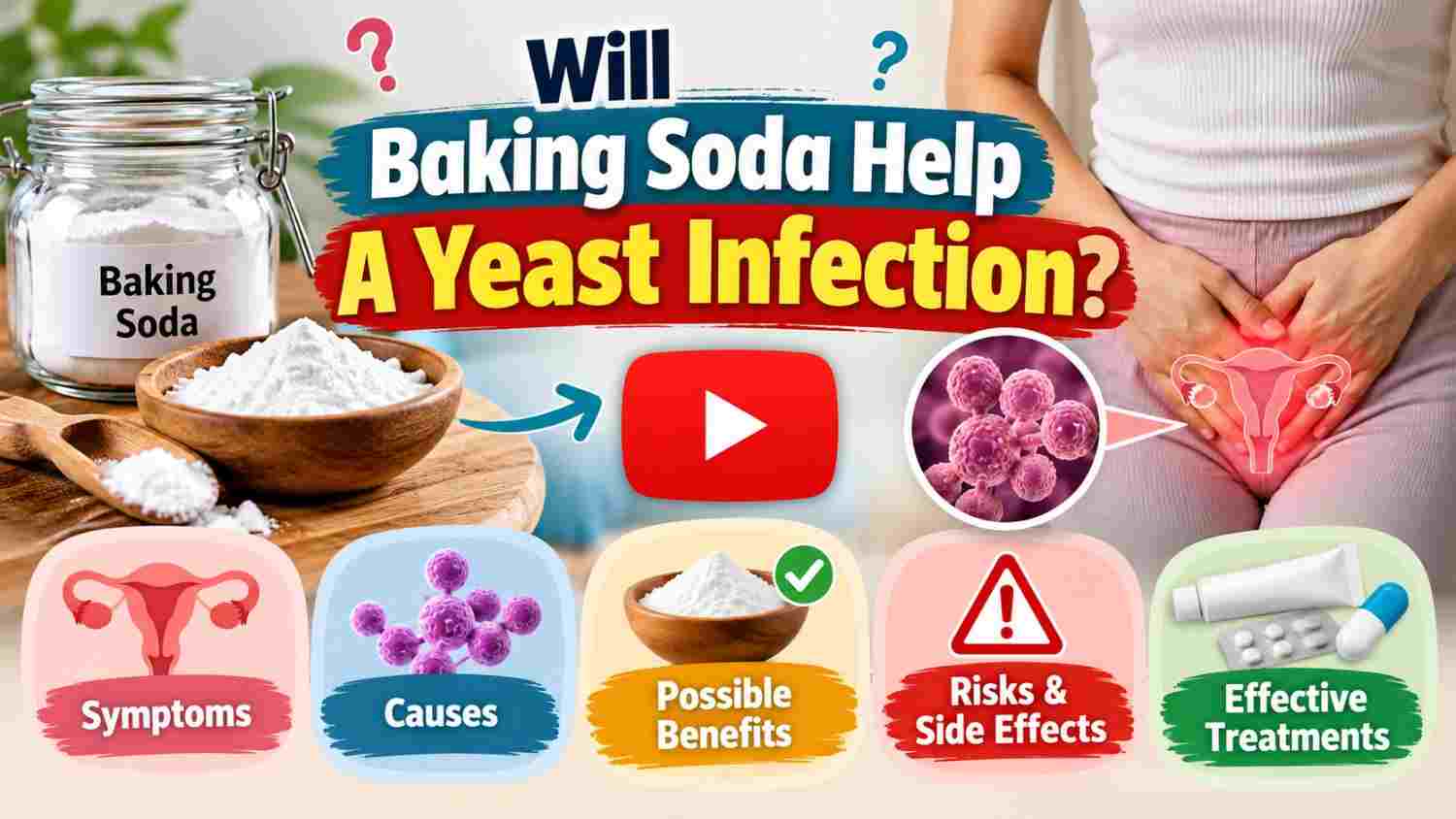
👉 DON’T TRY THIS “WILL BAKING SODA HELP A YEAST INFECTION” UNTIL YOU SEE THIS
Baking soda may soothe yeast infection irritation. Understanding the causes, symptoms, potential risks, and treatment options can help you find safe relief.
Because baking soda is alkaline, some believe it can help control fungal growth, balance vaginal pH, and relieve irritation.
This guide explores whether baking soda helps yeast infections, its possible effects, associated risks, and effective treatment alternatives.
What is a Yeast Infection?
A yeast infection, medically known as candidiasis, develops when yeast belonging to the Candida family grows excessively in certain areas of the body.
Candida naturally exists on the skin and within various parts of the body, including the mouth, digestive tract, and vagina.
Under normal circumstances, beneficial microorganisms and the immune system help prevent excessive yeast growth.
However, changes in the body’s microbial balance can allow Candida to multiply and cause an infection.
Vaginal yeast infections, also called vulvovaginal candidiasis, are particularly common.
Common Symptoms of a Yeast Infection
Symptoms vary depending on the severity of the infection’s severity.
Common signs include:
- Vaginal itching: Persistent itching around the vaginal opening or surrounding skin.
- Burning sensation: Discomfort that may worsen when you urinate.
- Redness and swelling: Inflammation affecting the vulva and surrounding tissues.
- Unusual discharge: Thick, white discharge that may resemble cottage cheese.
- Pain during intercourse: Irritation and inflammation may cause discomfort.
- Vaginal soreness: Tenderness that can interfere with everyday activities.
Although these symptoms are associated with yeast infections, they can also occur with other vaginal conditions.
A proper diagnosis is important because different infections require different treatments.
What Causes Yeast Infections?
Several factors can contribute to the excessive growth of Candida.
1. Antibiotic Use
- Antibiotics eliminate certain bacteria responsible for infections.
- However, they can also reduce beneficial bacteria that help maintain a healthy vaginal environment. This disruption may allow yeast to multiply.
2. Hormonal Changes
- Hormonal fluctuations during pregnancy and other stages of life can influence the vaginal environment.
- These changes may increase susceptibility to yeast infections.
3. Uncontrolled Diabetes
- Elevated blood glucose levels can increase the likelihood of developing yeast infections.
- Individuals with poorly controlled diabetes may also experience recurrent infections.
4. Weakened Immune System
- A weakened immune system may struggle to control excessive fungal growth.
- Certain medical conditions and medications can increase susceptibility.
5. Moisture and Skin Irritation
- Prolonged moisture, friction, and irritating personal care products may contribute to vulvar discomfort.
- Although these factors do not necessarily cause Candida infections, they can aggravate existing symptoms.
👉 DON’T TRY THIS “WILL BAKING SODA HELP A YEAST INFECTION” UNTIL YOU SEE THIS
What is Baking Soda, and How Does It Work?
Baking soda, scientifically known as sodium bicarbonate, is a white crystalline powder with alkaline properties.
It is widely used in cooking, household cleaning, and certain medical preparations. Baking soda can neutralize acids because its pH is higher than neutral.
This chemical property explains why it is sometimes discussed as a home remedy for skin irritation and other conditions.
However, the effects of baking soda depend on how it is used and which tissues it contacts.
Why Is Baking Soda Associated With Yeast Infections?
Some people believe baking soda may help yeast infections because it can change the pH of its surrounding environment.
The theory suggests that altering acidity might interfere with yeast growth. However, the relationship between vaginal pH and Candida is more complicated.
A healthy vagina naturally maintains an acidic environment, usually with a pH below 4.5.
Unlike bacterial vaginosis, vaginal yeast infections often occur without significantly increasing vaginal pH.
Therefore, attempting to make the vagina more alkaline does not address the underlying cause of a typical yeast infection.
Will Baking Soda Help a Yeast Infection?
Baking soda is not a proven treatment for vaginal yeast infections. Although some individuals use baking soda baths to relieve external irritation, clinical evidence does not establish that this remedy eliminates Candida or reliably improves yeast infection symptoms.
👉 DON’T TRY THIS “WILL BAKING SODA HELP A YEAST INFECTION” UNTIL YOU SEE THIS
May Temporarily Soothe External Irritation
- Some people report feeling more comfortable after soaking irritated skin in a lukewarm bath. However, any improvement may result from the soothing effects of water rather than baking soda itself.
- Insufficient clinical evidence shows that adding baking soda provides meaningful additional relief for vaginal yeast infections.
Does Not Reliably Eliminate Candida
- Baking soda may affect certain microorganisms in the lab. However, laboratory findings do not automatically translate into effective treatment within the human body.
- No established clinical evidence shows that baking soda reliably eliminates Candida responsible for vaginal yeast infections.
May Alter the Vaginal Environment
- Baking soda is alkaline, while the vagina normally maintains an acidic environment. Introducing alkaline substances into the vagina may interfere with its natural conditions.
- Changing vaginal pH is not a medically established method for curing candidiasis.
May Cause Additional Irritation
- Sensitive genital tissues can react to household substances. Direct exposure to concentrated baking soda may cause dryness, burning, or discomfort.
- People with existing inflammation may be particularly sensitive.
Cannot Replace Antifungal Treatment
- Antifungal medications are specifically designed to treat fungal infections. Baking soda does not have comparable clinical evidence supporting its effectiveness.
- For this reason, healthcare professionals generally recommend appropriate antifungal treatment rather than relying on baking soda.
👉 DON’T TRY THIS “WILL BAKING SODA HELP A YEAST INFECTION” UNTIL YOU SEE THIS
Can Baking Soda Kill Candida Naturally?
One of the most common questions about this home remedy is whether baking soda can kill Candida.
The answer requires distinguishing laboratory observations from clinical treatment. Researchers sometimes study how microorganisms respond to different chemical environments.
Because sodium bicarbonate changes pH, it may influence microbial behavior under certain experimental conditions.
However, insufficient human clinical evidence shows that baking soda safely and effectively cures vaginal candidiasis.
Candida can survive across a range of environmental conditions. Simply increasing alkalinity does not guarantee that fungal cells will be eliminated.
Furthermore, applying baking soda directly to vaginal tissues may cause irritation without providing meaningful antifungal benefits.
For confirmed yeast infections, medications such as clotrimazole, miconazole, and fluconazole have substantially stronger clinical evidence.
Potential Benefits of Baking Soda for External Discomfort
Baking soda is sometimes associated with skin-soothing home remedies. However, its potential benefits for yeast infection symptoms remain uncertain.
Temporary Comfort
Warm or lukewarm water can soothe irritated skin. The addition of baking soda has not been established as necessary for this effect.
Possible Reduction in Surface Irritation
Some individuals report improvements in minor skin discomfort after using diluted baking soda preparations.
However, these personal experiences do not establish effectiveness against yeast infections.
Easy Household Availability
Baking soda is inexpensive and commonly available. Nevertheless, convenience does not determine whether a substance is medically appropriate.
No Established Antifungal Benefit
Despite its popularity as a natural remedy, baking soda has not demonstrated reliable effectiveness in treating vaginal Candida infections.
Risks and Side Effects of Using Baking Soda for Yeast Infections
Although baking soda is generally safe in food, applying it to sensitive genital tissue raises different considerations.
- Vaginal Irritation: Applying baking soda directly to sensitive vaginal tissues may cause burning, redness, itching, or discomfort. Existing inflammation can increase sensitivity and worsen irritation.
- Disruption of Vaginal pH: Baking soda’s alkaline properties may disturb the vagina’s naturally acidic environment, potentially affecting beneficial bacteria and the normal microbial balance that supports vaginal health.
- Increased Dryness: Concentrated baking soda solutions may increase dryness and irritate sensitive genital tissue. Repeated exposure can worsen discomfort, especially when inflammation is already present.
- Delayed Medical Treatment: Relying on baking soda instead of proven antifungal medications may delay effective treatment. Untreated symptoms can persist, worsen, or signal another condition that requires medical attention.
- Incorrect Self-Diagnosis: Vaginal itching, burning, and discharge may result from yeast infections, bacterial vaginosis, allergies, or sexually transmitted infections. Proper diagnosis helps ensure appropriate treatment.
Baking Soda vs. Antifungal Treatments: Which Is Better?
When comparing baking soda with medically recommended treatments, the biggest difference is the scientific evidence.
| Treatment | Main Purpose | Scientific Evidence | Recommendation |
|---|---|---|---|
| Baking Soda | Household alkaline substance | Insufficient evidence for treating vaginal Candida | Not recommended as a cure |
| Clotrimazole | Treats fungal infections | Strong clinical evidence | Commonly recommended |
| Miconazole | Controls fungal growth | Strong clinical evidence | Commonly recommended |
| Fluconazole | Oral antifungal treatment | Strong clinical evidence | Appropriate for selected patients |
| Plain Lukewarm Bath | Temporary external comfort | May soothe irritation | Supportive care only |
What Are the Best Treatments for a Yeast Infection?
Several established medical treatments are available for vaginal candidiasis.
1. Clotrimazole
- Clotrimazole is a commonly used antifungal medication available in vaginal cream and tablet formulations.
- It works by interfering with fungal cell membranes. Treatment duration varies depending on the formulation and clinical circumstances.
2. Miconazole
- Miconazole is another widely used antifungal medication. It is available in several over-the-counter vaginal preparations.
- Treatment courses commonly range from one to seven days, depending on the product.
3. Fluconazole
- Fluconazole is an oral antifungal medication prescribed for certain yeast infections. A single oral dose is commonly used for uncomplicated vaginal candidiasis in nonpregnant adults.
- However, oral fluconazole is not appropriate for everyone and may interact with other medications.
4. Longer Treatment for Recurrent Infections
- People with recurrent yeast infections may need additional testing and a longer treatment plan.
- Healthcare professionals may recommend extended antifungal therapy or maintenance treatment when appropriate.
5. Pregnancy-Specific Treatment
- Pregnant individuals require special consideration. For vaginal yeast infections during pregnancy, clinical guidelines recommend topical azole treatment for seven days.
Natural Ways to Relieve Yeast Infection Discomfort
Although natural remedies cannot reliably replace antifungal medication, certain everyday habits may reduce irritation and support comfort during recovery.
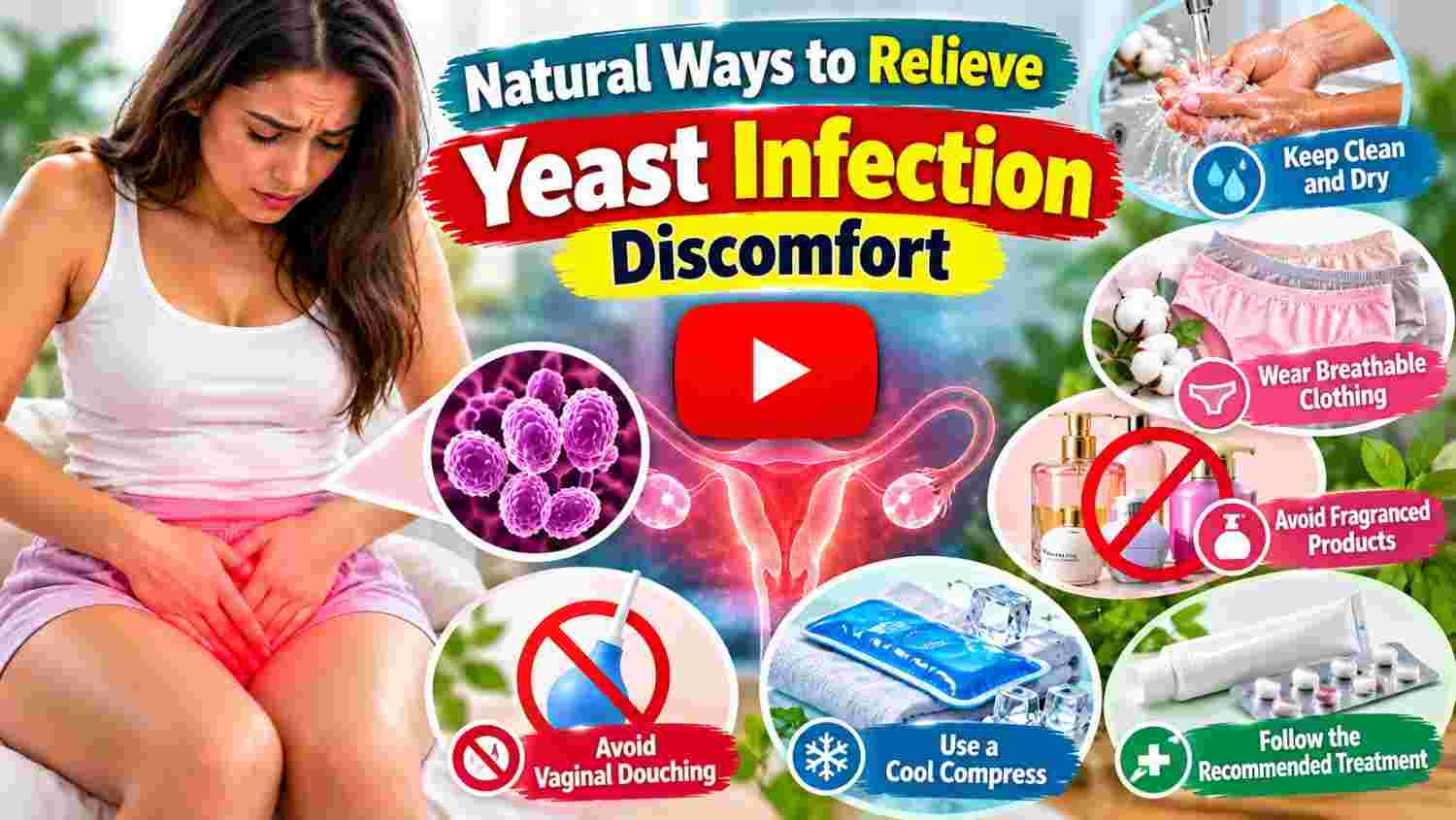
👉 DON’T TRY THIS “WILL BAKING SODA HELP A YEAST INFECTION” UNTIL YOU SEE THIS
Keep the Genital Area Clean and Dry
- Gently wash the external genital area with lukewarm water.
- Avoid excessive washing or scrubbing, which can aggravate sensitive skin.
- After bathing, gently pat the area dry.
Wear Breathable Clothing
- Loose-fitting clothing and breathable cotton underwear may reduce moisture and friction.
- Avoid remaining in wet clothing for extended periods.
Avoid Fragranced Products
- Scented soaps, vaginal sprays, perfumed wipes, and harsh cleansing products can irritate genital tissues.
- Choose gentle, fragrance-free products when necessary.
Avoid Vaginal Douching
- Douching can disrupt the vaginal environment and may increase irritation.
- The vagina naturally cleans itself, so internal cleansing is unnecessary.
Use a Cool Compress
- A clean, cool compress applied externally for a short period may temporarily soothe itching or burning.
- Avoid placing ice directly against sensitive skin.
Follow the Recommended Treatment
If a yeast infection has been diagnosed, use antifungal medication as directed on the product label or by your healthcare professional.
Supportive self-care can improve comfort, but treating the underlying infection remains essential.
How Long Does a Yeast Infection Take to Go Away?
Recovery time depends on the severity of the infection, the treatment used, and individual health factors.
For uncomplicated vaginal yeast infections, symptoms often begin improving within several days after appropriate antifungal treatment.
However, symptoms may not fully resolve for about a week. More severe or recurrent infections may require longer treatment.
Factors influencing recovery include:
- Severity of inflammation
- Type of Candida involved
- Choice of antifungal medication
- Presence of diabetes or immune-related conditions
- Previous episodes of candidiasis
- Consistency with the prescribed treatment
If symptoms fail to improve, worsen, or return soon after treatment, medical evaluation is recommended.
Persistent itching does not necessarily mean the medication failed; it may indicate a different diagnosis or a more complicated infection.
Can Baking Soda Prevent Future Yeast Infections?
No convincing clinical evidence shows that baking soda prevents vaginal yeast infections. Prevention generally focuses on reducing avoidable irritation and managing underlying risk factors.
Maintain Appropriate Hygiene
>> Gently clean the external genital area and avoid unnecessary internal cleansing.
Manage Blood Sugar Levels
>> Individuals with diabetes should follow their recommended blood glucose management plan.
>> Poorly controlled diabetes can increase susceptibility to Candida infections.
Use Antibiotics Appropriately
>> Take antibiotics only when medically indicated.
>> Unnecessary antibiotic exposure may disrupt normal bacterial populations.
Choose Breathable Underwear
>> Breathable fabrics and avoiding prolonged moisture may help reduce discomfort.
Seek Evaluation for Recurrent Symptoms
>> Repeated infections may require laboratory testing to identify the Candida species and determine an appropriate treatment strategy.
>> Preventing yeast infections means addressing risk factors rather than trying to change vaginal pH with baking soda.
👉 DON’T TRY THIS “WILL BAKING SODA HELP A YEAST INFECTION” UNTIL YOU SEE THIS
When Should You See a Doctor for a Yeast Infection?
Although uncomplicated yeast infections are common, certain situations require professional medical attention.
Consider consulting a healthcare professional if:
- You are experiencing vaginal symptoms for the first time.
- Symptoms are severe or interfere with daily activities.
- You have significant swelling, pain, or skin cracking.
- Symptoms persist after completing treatment.
- Symptoms return within two months of treatment.
- You experience repeated yeast infections.
- You are pregnant.
- You have diabetes or a weakened immune system.
- You develop unusual vaginal odor or discharge.
Seek prompt medical evaluation for fever, severe pelvic pain, or other concerning symptoms, as these may indicate another condition.
A healthcare professional may examine vaginal discharge or recommend laboratory testing. Accurate diagnosis helps ensure that the treatment addresses the actual cause of the symptoms.
Conclusion: Will Baking Soda Help a Yeast Infection?
Will baking soda help a yeast infection? While baking soda is commonly discussed as a natural remedy, scientific evidence does not support using it to cure vaginal candidiasis.
Its alkaline properties don’t make it a reliable antifungal treatment, and applying it directly to sensitive genital tissue may cause irritation or disrupt the natural vaginal environment.
Although gentle bathing and appropriate hygiene may provide temporary comfort, they cannot replace medication designed to treat fungal infections.
For most uncomplicated vaginal yeast infections, established antifungal treatments offer a safer and more effective approach.
Clotrimazole, miconazole, and appropriately prescribed fluconazole are commonly used treatments supported by clinical evidence.
Individuals experiencing persistent symptoms, repeated infections, pregnancy-related concerns, or significant discomfort should seek medical advice.
Ultimately, protecting vaginal health involves understanding the cause of symptoms, avoiding irritating home remedies, and choosing treatments supported by reliable medical research.
👉 DON’T TRY THIS “WILL BAKING SODA HELP A YEAST INFECTION” UNTIL YOU SEE THIS
.
Reference
https://www.webmd.com/women/understanding-vaginal-yeast-infection-basics?
https://www.mayoclinic.org/diseases-conditions/yeast-infection/symptoms-causes
https://www.healthline.com/health/baking-soda-bath?
https://en.wikipedia.org/wiki/Vaginal_yeast_infection
.
.
About Us
