
Best Natural Remedies for Peripheral Neuropathy Pain
Peripheral neuropathy pain can affect everyday life in frustrating ways. Burning, tingling, numbness, sensitivity, and sharp or shooting sensations may make walking, sleeping, exercising, or even wearing certain shoes uncomfortable.
Many people therefore search for the best natural remedies for peripheral neuropathy pain that can be incorporated into their daily routine.
Natural approaches may support comfort and overall wellness, but they should not be considered a replacement for proper diagnosis or medical treatment.
Best Natural Remedies for Peripheral Neuropathy Pain explores gentle exercise, balanced nutrition, foot care, relaxation, and healthy lifestyle habits.These supportive approaches may help promote comfort and overall wellness while managing neuropathy symptoms.


Peripheral neuropathy has many possible causes, including diabetes, certain medications, nutritional deficiencies, infections, autoimmune conditions, injuries, inherited disorders, and exposure to toxins.
Finding the underlying cause is an important part of managing symptoms because the most appropriate approach depends on why the nerves have been affected.
Regular physical activity, nutritious eating, careful foot care, managing blood sugar when diabetes is involved, limiting alcohol, avoiding smoking, and maintaining healthy habits can all play an important role in supporting nerve health.
Some complementary approaches, such as acupuncture, may also provide symptom relief for certain people, although evidence varies.
This guide explores natural and complementary approaches commonly discussed for peripheral neuropathy pain, how they may fit into a healthy lifestyle, and what precautions are important before trying them.
What Is Peripheral Neuropathy?
Peripheral neuropathy refers to damage or dysfunction involving nerves outside the brain and spinal cord. These nerves communicate information between the central nervous system and other parts of the body.
When sensory nerves are affected, people may experience symptoms such as tingling, numbness, burning, stabbing sensations, increased sensitivity, or pain.
Motor nerve involvement can contribute to weakness and coordination problems, while autonomic nerve involvement can affect functions such as sweating, digestion, blood pressure, and bladder function.
Symptoms commonly begin in the feet or hands and may gradually spread into the legs or arms. However, the pattern can vary depending on the nerves involved and the underlying cause.
Because peripheral neuropathy has many possible causes, persistent symptoms should not simply be treated with home remedies without investigating what is causing them.
Why Does Peripheral Neuropathy Cause Pain?
Healthy nerves carry signals between the body and the brain. When nerves become damaged or irritated, their signaling can become abnormal.
As a result, sensations that would normally feel neutral may become uncomfortable or painful. A person may feel burning even when the skin is not hot.
A light blanket touching the feet may feel painful. Some people experience electric-like shocks, stabbing sensations, pins and needles, or persistent aching.
The intensity of symptoms can also change from day to day. Factors such as blood sugar control, physical activity, sleep, stress, alcohol consumption, and the underlying condition may influence how symptoms are experienced.
Best Natural Remedies for Peripheral Neuropathy Pain
There is no single natural remedy that works for everyone with neuropathy. Instead, the most useful approach is often a combination of healthy lifestyle habits and carefully selected complementary strategies.
1. Regular Gentle Exercise
Exercise is one of the most useful lifestyle habits for people dealing with peripheral neuropathy, provided the activity is appropriate for their physical condition.
Regular movement can support circulation, muscle strength, mobility, balance, cardiovascular health, and overall well-being.
For people with diabetes, physical activity can also contribute to better blood sugar management, which is particularly important because diabetes is a major cause of peripheral neuropathy.
Walking, swimming, stationary cycling, gentle stretching, yoga, and other low-impact activities may be easier to tolerate than high-impact exercise.
Mayo Clinic notes that regular exercise may help lower neuropathy pain, improve muscle strength, and support blood sugar management.
Pool-based exercise can be useful for people whose feet are painful with weight-bearing activity.The important point is to begin gradually.
If numbness or weakness affects balance, exercise should be selected with guidance from a healthcare professional or physical therapist.
2. Walking for Nerve and Overall Health
Walking is one of the simplest ways to introduce regular movement into a daily routine. A short walk may be more realistic than attempting an intense workout.
Some people may find that several shorter walks throughout the day are more comfortable than one long session. Walking can help maintain leg strength and mobility while supporting general cardiovascular fitness.
However, people with reduced sensation in their feet need to be particularly careful. A person may develop a blister, cut, or pressure injury without noticing it immediately.
Comfortable, supportive footwear is therefore important. Feet should also be checked after physical activity for redness, blisters, swelling, cuts, or other changes.
3. Swimming and Water-Based Exercise
Water reduces some of the weight placed on the feet and joints, allowing a person to move without the same impact associated with walking or running.
Gentle water exercises can include walking through a pool, leg movements, light aerobic exercises, or swimming at a comfortable pace.
People with balance concerns may also find the controlled environment useful, although pool safety should always be considered.
4. Gentle Yoga and Stretching
Gentle yoga and stretching may help maintain flexibility, movement, balance, and relaxation. For people with neuropathy, the goal should not necessarily be advanced poses.
Simple movements that gently work the legs, ankles, hips, back, shoulders, and arms may be more appropriate. Breathing exercises incorporated into gentle movement can also encourage relaxation.
Some people with chronic pain find that stress makes their symptoms feel more difficult to manage. A calming routine may therefore be useful as part of a broader wellness plan.
People with significant numbness or balance problems should choose modified movements and consider professional guidance before attempting unfamiliar positions.
5. Tai Chi for Gentle Movement and Balance
It can be particularly interesting for people who want a lower-impact activity rather than intense exercise.
Because peripheral neuropathy may contribute to weakness or balance difficulties, activities that emphasize controlled movement and stability may have a useful role in an overall wellness routine.
Tai chi should still be adapted to individual abilities. Anyone with substantial balance problems should consider practicing near a stable support or under appropriate supervision.
6. Maintain Healthy Blood Sugar Levels
For people whose peripheral neuropathy is related to diabetes, blood sugar management is one of the most important areas to address.
High blood sugar over time can damage nerves and contribute to diabetic neuropathy. Lifestyle measures such as nutritious eating, regular physical activity, maintaining a healthy weight when appropriate, and following prescribed diabetes treatment can help manage the underlying condition.
Natural remedies should never be used as a substitute for diabetes medication or professional diabetes care.
Managing the underlying cause is particularly important because pain relief alone does not necessarily stop nerve damage from progressing.
7. Eat a Nutrient-Rich Diet
A balanced diet can support overall nerve and metabolic health. Rather than focusing on one special food or drink, aim for a varied eating pattern that includes vegetables, fruits, whole grains, lean proteins, healthy fats, and appropriate sources of vitamins and minerals.
Nutrients such as vitamin B12 are particularly relevant to nerve health. Low vitamin B12 levels can contribute to neurological problems, so people with symptoms suggestive of neuropathy may need appropriate testing rather than automatically taking supplements.
A nutritious diet should therefore focus on adequacy and balance rather than excessive supplementation.
Mayo Clinic recommends healthy meals containing fruits, vegetables, whole grains, and lean protein as part of peripheral neuropathy self-care.
8. Check for Nutritional Deficiencies
Vitamin B12 deficiency is one example. Depending on the situation, other nutritional issues may also need to be considered.
However, taking large amounts of vitamins without knowing whether a deficiency exists is not necessarily helpful.
Anyone experiencing persistent numbness, tingling, burning, or weakness should discuss appropriate testing with a healthcare professional.
If a deficiency is identified, correcting it under professional guidance may be more useful than relying on a general-purpose supplement.
9. Consider Foods Rich in Vitamin B12
Foods containing B12 include fish, meat, eggs, dairy products, and fortified foods. People following vegetarian or vegan diets may need to pay particular attention to reliable B12 sources.
If symptoms are present and B12 deficiency is suspected, testing and professional advice are preferable to guessing.
10. Limit Alcohol
Excessive alcohol consumption can contribute to nerve damage and may worsen neuropathy in some people.
Alcohol can also interfere with healthy eating patterns and make it more difficult to maintain other lifestyle goals.
If alcohol is contributing to neuropathy or another underlying condition, discussing a safe reduction plan with a healthcare professional can be helpful.
11. Avoid Smoking
For people with neuropathy, protecting circulation is especially important because reduced sensation can make injuries harder to notice, while poor circulation can make healing more difficult.
Stopping smoking is therefore a meaningful lifestyle goal for general health and may also reduce some risks associated with foot complications.
If quitting is difficult, professional support and evidence-based smoking cessation resources can make the process easier.
12. Take Daily Care of Your Feet
Foot care is one of the most important home strategies for people with peripheral neuropathy, particularly when diabetes is involved.
Reduced sensation means that a person may not immediately notice a blister, cut, burn, pressure point, or other injury.
Check your feet regularly for:
- Cuts
- Blisters
- Redness
- Swelling
- Cracks
- Sores
- Changes in skin color
- Signs of infection
Mayo Clinic recommends daily foot checks and protective footwear for people with neuropathy, especially those with diabetes.
13. Choose Supportive Footwear
Tight shoes can cause rubbing, blisters, and irritation. Because neuropathy can reduce sensation, these problems may not be noticed until the skin has already been damaged.
Soft, comfortable socks and well-fitting shoes can help protect vulnerable feet. Going barefoot may also increase the risk of unnoticed injuries, particularly when sensation is reduced.
If foot shape or neuropathy is causing repeated problems, a podiatrist or other healthcare professional can help identify appropriate footwear.
14. Try Gentle Massage Carefully
Gentle massage may help a person feel more relaxed and may reduce muscle tension around uncomfortable areas.
Very deep pressure, aggressive rubbing, extreme temperatures, or massage over wounds should be avoided.
If someone has severe neuropathy, circulation problems, open sores, or diabetes-related foot complications, professional advice should be obtained before using massage as a home strategy.
15. Acupuncture
Acupuncture is one of the complementary approaches sometimes considered for peripheral neuropathy symptoms.
The technique involves inserting thin needles into specific points on the body. Some research and clinical resources suggest it may help certain people experience symptom relief, although research is not as extensive as it is for conventional medical treatments.
Anyone considering acupuncture should choose a properly trained practitioner who uses sterile equipment.
It is also important to tell the practitioner about medications, diabetes, circulation problems, bleeding disorders, or other medical conditions.
Acupuncture should be viewed as a complementary option rather than a guaranteed treatment for nerve damage.
16. Relaxation and Stress Management
Although relaxation techniques do not repair damaged nerves, they may help people cope with the overall burden of persistent discomfort.
Possible approaches include:
- Slow breathing
- Meditation
- Mindfulness
- Gentle stretching
- Relaxing music
- Quiet walks
- Journaling
- Consistent sleep routines
The goal is not to convince yourself that pain is imaginary. Instead, relaxation can become one part of a broader strategy for coping with chronic symptoms.
Complementary approaches such as mindfulness, meditation, yoga, tai chi, and related practices are generally considered reasonable for many healthy people when performed appropriately, although individual medical circumstances can require modifications.
17. Prioritize Quality Sleep
People with neuropathy may have trouble sleeping because burning or tingling becomes more noticeable at night.
Try keeping a regular sleep schedule, limiting stimulating activities close to bedtime, making the bedroom comfortable, and avoiding excessive caffeine late in the day.
If neuropathy pain repeatedly wakes you during the night, speak with a healthcare professional rather than simply trying to tolerate the problem.
18. Consider Alpha-Lipoic Acid Only With Professional Guidance
Some evidence suggests it may help certain people with painful diabetic neuropathy, but it is not appropriate to assume that every person with neuropathy will benefit.
It may also affect blood sugar levels and can cause side effects such as stomach upset or skin reactions.
For this reason, anyone considering alpha-lipoic acid should discuss it with a healthcare professional, particularly if they take diabetes medication or other prescription drugs.
19. Be Careful With “Natural” Supplements
Supplements can interact with medications, affect blood sugar, influence blood pressure, or cause side effects.
Some products marketed online for neuropathy may also make exaggerated claims about repairing nerves, reversing neuropathy, or eliminating pain.
Consumers should be skeptical of products promising immediate or permanent results. A supplement should never replace evaluation of the underlying cause of neuropathy.
20. Avoid Extremely Hot or Cold Treatments
A person with neuropathy may not recognize that a heating pad, hot-water bottle, bath, or other heat source is too hot until the skin has already been damaged.
Cold exposure can also cause problems if sensation is impaired. If using warmth for relaxation, keep temperatures moderate and avoid direct prolonged contact with the skin.
For people with significant numbness or diabetes, it is particularly important to discuss safe approaches with a healthcare professional.
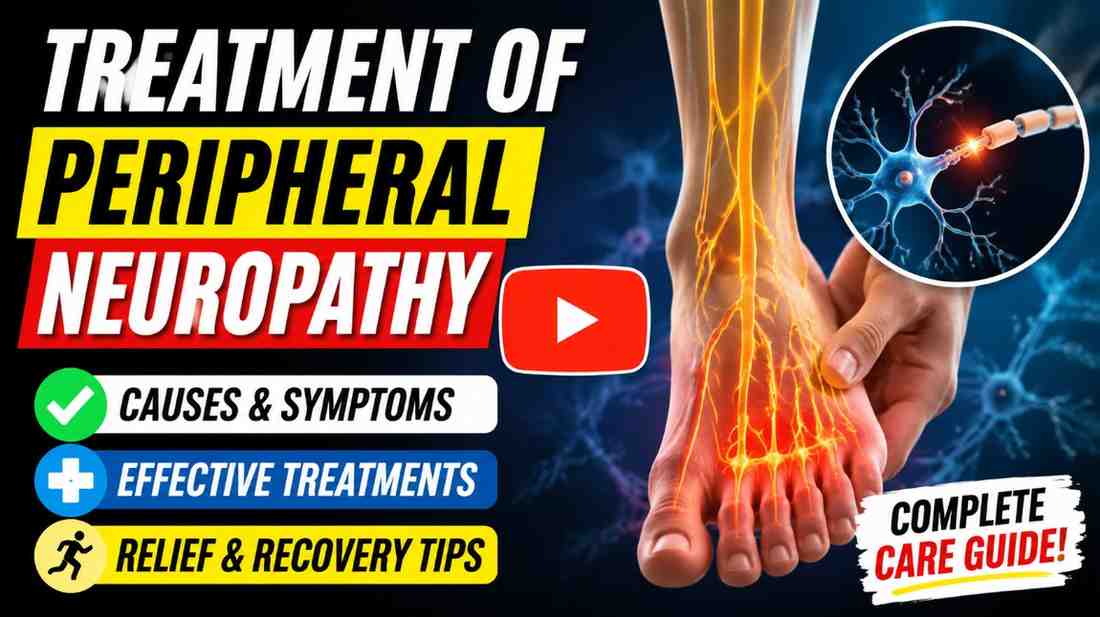
What Natural Remedies Should You Be Careful About?
Some involve special drinks, essential oils, extreme diets, detoxes, or combinations of household ingredients.
There is not enough evidence to consider most of these approaches established treatments for peripheral neuropathy.
A remedy that sounds simple may also create risks if it interferes with medication, affects blood sugar, irritates the skin, or delays appropriate medical evaluation.
The safest approach is to focus on lifestyle measures with broader health benefits while discussing supplements and complementary therapies with a qualified healthcare professional.
Can Natural Remedies Cure Peripheral Neuropathy?
Whether nerve damage can improve depends heavily on its cause, severity, duration, and whether the underlying problem can be corrected.
For example, addressing an underlying nutritional deficiency may help when that deficiency is responsible for symptoms.
Managing diabetes can help reduce the risk of worsening nerve damage. Removing a harmful exposure may also be important in certain cases.
However, nerve damage caused by longstanding disease may not simply disappear because someone starts a particular natural remedy.
The realistic goal is often to identify the cause, protect nerve function, manage symptoms, reduce complications, and support overall health.
When Should You See a Doctor?
Persistent tingling, numbness, burning, weakness, or unexplained pain deserves professional attention.
Medical evaluation can help determine whether the symptoms are related to diabetes, vitamin deficiency, medication effects, alcohol use, an autoimmune condition, an infection, an injury, or another problem.
Seek prompt medical attention if you develop rapidly worsening weakness, significant difficulty walking, new loss of coordination, severe symptoms, or wounds that do not heal.
Peripheral neuropathy can increase the risk of falls and unnoticed foot injuries, particularly when sensation is significantly reduced.
Natural Remedies and Medical Treatment Can Work Together
In many cases, the most sensible strategy combines professional diagnosis and appropriate treatment with healthy daily habits.
For example, a person with diabetic neuropathy may benefit from following their prescribed treatment plan while also exercising safely, eating a balanced diet, monitoring blood sugar, protecting their feet, avoiding smoking, and limiting alcohol.
Medical treatments can include medications designed specifically to reduce nerve pain. These may include certain antidepressants, anticonvulsants, or topical treatments, depending on the individual’s circumstances.
A Simple Daily Routine for Peripheral Neuropathy Support
A practical routine can make healthy habits easier to maintain.
Morning
Start the day with a nutritious breakfast and adequate hydration. Before putting on shoes, quickly check your feet for redness, swelling, blisters, or other changes.
Afternoon
Break up long periods of sitting with gentle movement. Choose a balanced meal containing vegetables, whole grains, and an appropriate protein source.
If you have diabetes, follow your healthcare professional’s recommendations for blood sugar monitoring.
Evening
Choose relaxing activities such as gentle stretching, meditation, breathing exercises, or a quiet walk. Inspect your feet again if you have reduced sensation or are at increased risk of foot problems.
The purpose of this routine is not to cure neuropathy overnight. Instead, it creates consistent habits that support overall health and may help make symptom management more manageable.
The Bottom Line
The best natural remedies for peripheral neuropathy pain are not necessarily exotic supplements or complicated homemade treatments.
Some of the most practical strategies are regular gentle exercise, nutritious eating, healthy blood sugar management when appropriate, daily foot care, supportive footwear, avoiding smoking, limiting alcohol, maintaining good sleep habits, and using carefully selected complementary approaches.
Acupuncture and certain supplements have been studied for neuropathy symptoms, but the evidence varies, and these options are not appropriate for everyone.
Most importantly, natural remedies should not delay diagnosis or proven medical care. Peripheral neuropathy has many possible causes, and the right approach depends on the individual.
A healthcare professional can help determine why symptoms are occurring and which treatments or lifestyle changes are appropriate.
A healthy lifestyle can support the body while you manage neuropathy, but it should be viewed as part of a broader care strategy rather than a guaranteed cure.
Best Natural Remedies for Peripheral Neuropathy Pain can therefore be understood as supportive lifestyle and complementary approaches that may help with comfort, mobility, general wellness, and complication prevention when used responsibly.
Balanced nutrition, regular physical activity, proper hydration, quality sleep, stress management, careful foot protection, and appropriate medical guidance remain important foundations for long-term health.
.
.
.
.
References
Peripheral Neuropathy
https://www.ninds.nih.gov/health-information/disorders/peripheral-neuropathy
Peripheral Neuropathy: Diagnosis and Treatment
Chronic Pain
Diabetic Neuropathies
Neuropathy Information
.
.
.
About Us
