Vision is one of the most important senses, helping people interact with the world. From reading and working to driving, exercising, and enjoying everyday activities, clear eyesight plays a major role in
maintaining independence and quality of life. Many people wonder how to get better vision naturally and what daily habits can help protect their eyes over time.
While some vision problems require professional treatment, prescription glasses, contact lenses, or medical procedures, many lifestyle choices can support overall eye health.
Learn how to get better vision with healthy habits, eye exercises, nutrition, and lifestyle tips that support clearer eyesight and long-term eye health.
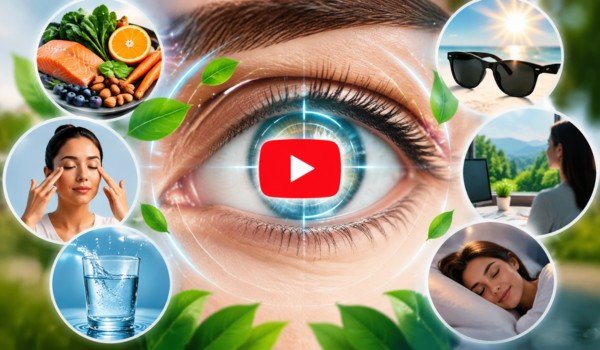

A balanced diet, regular eye exams, proper screen habits, adequate sleep, and protection from harmful environmental factors can all help maintain healthier vision.
Modern lifestyles have also introduced new challenges for eye health. Increased screen time, reduced outdoor activity, poor nutrition, and exposure to digital devices can contribute to symptoms such as eye strain, dryness, blurred vision, and discomfort.
This guide explores practical and science-based ways to support better vision, including nutrition, exercises, lifestyle improvements, preventive care, and common mistakes to avoid.
Understanding How Vision Works
Before learning how to improve eyesight, it is helpful to understand how the eyes process information. The eye functions like a natural camera, capturing light and sending visual signals to the brain.
🔹 Several important parts work together to create clear images.
| Eye Part | Main Function |
|---|---|
| Cornea | Helps focus incoming light into the eye |
| Lens | Adjusts focus for near and distant objects |
| Retina | Converts light into electrical signals |
| Optic Nerve | Sends visual information to the brain |
| Macula | Supports detailed central vision |
Healthy vision depends on the proper function of these structures. Damage, aging, nutritional deficiencies, or certain health conditions can affect eyesight.
Supporting eye health does not always mean reversing existing vision conditions, but it can help maintain visual function and reduce preventable risks.
Common Reasons Vision May Become Worse
Many factors can influence eyesight. Understanding these causes can help people make better decisions about protecting their eyes.
1. Age-Related Changes
As people get older, natural changes in the eyes can affect focusing ability and clarity.
🔹Common age-related vision concerns include:
- Difficulty reading small text
- Needing brighter lighting
- Slower adjustment between bright and dark environments
- Reduced ability to focus on nearby objects
Regular eye examinations become increasingly important as people age.
2. Excessive Screen Time
Digital devices have become a major part of everyday life. Long periods spent looking at computers, smartphones, and tablets may contribute to digital eye strain.
🔹Common symptoms include:
- Dry eyes
- Blurry vision
- Headaches
- Eye fatigue
- Difficulty focusing
Following healthy screen habits can help reduce discomfort.
3. Poor Nutrition
The eyes require specific nutrients to function properly. Diets lacking important vitamins, minerals, antioxidants, and healthy fats may affect long-term eye wellness.
🔹Important nutrients for eye support include:
- Vitamin A
- Vitamin C
- Vitamin E
- Zinc
- Omega-3 fatty acids
- Lutein and zeaxanthin
4. Lack of Eye Protection
Exposure to ultraviolet (UV) rays, dust, chemicals, and injuries can affect eye health.
🔹Protective habits include:
- Wearing sunglasses outdoors
- Using safety eyewear when needed
- Avoiding direct exposure to harmful substances
How to Get Better Vision Naturally
Improving vision involves creating habits that support the eyes every day. The following strategies may help maintain clearer and healthier eyesight.
1. Eat Foods That Support Eye Health
Nutrition plays an important role in maintaining healthy vision. The eyes require a variety of nutrients to support normal function and protect against oxidative stress.
❖ Best Foods for Better Vision
| Food | Eye-Supporting Nutrients |
|---|---|
| Carrots | Beta-carotene and vitamin A |
| Leafy greens | Lutein and zeaxanthin |
| Eggs | Lutein, zeaxanthin, and zinc |
| Fish | Omega-3 fatty acids |
| Citrus fruits | Vitamin C |
| Nuts and seeds | Vitamin E and healthy fats |
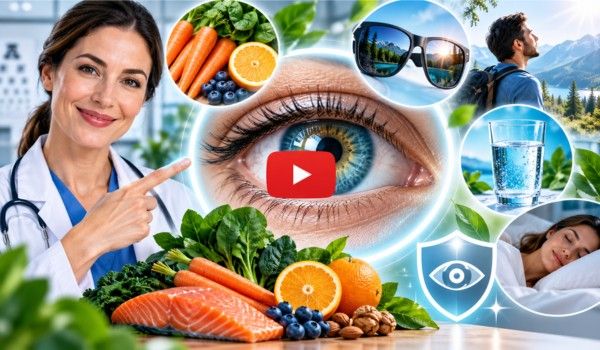
Adding colorful fruits and vegetables to daily meals can provide important antioxidants that support eye health.
❖ Nutrients That Matter Most
❖ Vitamin A
Vitamin A is essential for normal vision, especially in low-light conditions. Foods containing beta-carotene, which the body converts into vitamin A, can help support eye function.
🔹Sources include:
- Sweet potatoes
- Carrots
- Pumpkin
- Spinach
❖ Lutein and Zeaxanthin
These antioxidants are naturally found in the retina and help protect the eyes from oxidative stress.
🔹Sources include:
- Kale
- Spinach
- Broccoli
- Eggs
❖ Omega-3 Fatty Acids
Omega-3 fats may support tear production and overall eye comfort.
🔹Sources include:
- Salmon
- Sardines
- Flaxseeds
- Chia seeds
2. Follow the 20-20-20 Rule for Screen Use
One of the simplest ways to reduce digital eye strain is to follow the 20-20-20 rule.
🔹The method includes:
- Every 20 minutes
- Look at something 20 feet away
- For at least 20 seconds
This lets the eye muscles relax and reduces stress from constant focusing.
🔹Additional screen habits include:
- Adjusting screen brightness
- Keeping screens at a comfortable distance
- Blinking regularly
- Taking frequent breaks
3. Practice Healthy Eye Exercises
Eye exercises cannot replace glasses or medical treatments, but certain techniques may help reduce eye fatigue and improve comfort.
❖ Focus Changing Exercise
This exercise encourages the eyes to adjust between different distances.
🔹Steps:
- Hold an object close to your face.
- Focus on it for several seconds.
- Look at a distant object.
- Repeat several times.
❖ Eye Movement Exercise
This involves slowly moving the eyes in different directions.
🔹Steps:
- Look upward and downward.
- Move eyes from side to side.
- Rotate eyes gently.
- Repeat without forcing movement.
These exercises may help relax tired eyes after long periods of concentration.
4. Get Regular Eye Exams
Routine eye examinations are one of the most effective ways to protect vision.
🔹Eye doctors can identify:
- Changes in eyesight
- Eye diseases
- Early warning signs of problems
- Need for updated prescriptions
Many eye conditions develop gradually without obvious symptoms. Regular checkups help detect problems earlier.
5. Protect Your Eyes From UV Exposure
Long-term exposure to ultraviolet rays may increase the risk of certain eye problems.
🔹Helpful protective habits include:
- Wearing sunglasses with UV protection
- Using hats during strong sunlight
- Avoiding direct viewing of intense light sources
Quality sunglasses are not only a fashion accessory but also an important eye protection tool.

6. Maintain Healthy Blood Sugar Levels
Overall health is closely connected with eye health. Conditions affecting blood vessels can also influence vision.
🔹Maintaining healthy blood sugar levels may help support:
- Retinal health
- Blood vessel function
- Long-term eye protection
🔹Healthy habits include:
- Eating balanced meals
- Exercising regularly
- Maintaining a healthy weight
- Following medical advice when needed
7. Stay Hydrated for Eye Comfort
The eyes depend on proper moisture to remain comfortable.
🔹Dehydration may contribute to:
- Dryness
- Irritation
- Burning sensations
- Temporary blurry vision
🔹Helpful hydration habits include:
- Drinking enough water daily
- Taking breaks from screens
- Avoiding excessive environmental dryness
8. Improve Sleep Quality
Sleep allows the body to recover, including the eyes.
🔹Insufficient sleep may contribute to:
- Eye fatigue
- Dryness
- Increased sensitivity to light
- Difficulty focusing
🔹Healthy sleep habits include:
- Maintaining a consistent sleep schedule
- Reducing screen exposure before bedtime
- Creating a comfortable sleeping environment
Lifestyle Habits That Support Better Vision
Small daily changes can meaningfully impact eye wellness.
| Healthy Habit | Benefit |
|---|---|
| Regular exercise | Supports circulation |
| Balanced diet | Provides eye nutrients |
| Screen breaks | Reduces eye strain |
| Sunglasses | Protects against UV exposure |
| Proper sleep | Supports recovery |
| Eye exams | Helps detect problems early |
Foods and Habits to Limit for Eye Health
While adding beneficial foods is important, reducing unhealthy habits can also support better vision.
❖ Limit Excessive Sugar Intake
High sugar intake may harm overall health and contribute to conditions that affect eyesight.
❖ Avoid Smoking
Smoking is associated with increased risks for several eye-related conditions. Avoiding tobacco supports overall health.
❖ Reduce Unnecessary Screen Exposure
Spending excessive time on digital devices without breaks can increase eye discomfort.
Can Vision Improve Naturally?
Many people ask, “Can eyesight become better naturally?” The answer depends on the cause of vision changes.
🔹Certain lifestyle improvements may support:
- Eye comfort
- Reduced strain
- Better visual habits
- Long-term eye health
🔹However, some vision conditions may require professional correction, including:
- Nearsightedness
- Farsightedness
- Astigmatism
- Certain eye diseases
A qualified eye care professional can guide you based on your needs.
Warning Signs You Should Not Ignore
Certain vision changes require professional attention.
🔹Seek medical advice if experiencing:
- Sudden vision loss
- Persistent blurry vision
- Eye pain
- Flashes of light
- New floaters
- Difficulty seeing at night
- Sudden changes in vision quality
Early evaluation can help identify potential concerns.
Daily Routine for Better Vision Support
A simple daily routine can help maintain healthy eye habits.
❖ Morning
- Drink enough water
- Eat a nutrient-rich breakfast
- Wear sunglasses outdoors when needed
❖ During Work
- Follow the 20-20-20 rule
- Adjust screen position
- Blink regularly
❖ Evening
- Reduce unnecessary screen exposure
- Eat a balanced dinner
- Get quality sleep
Consistency is key when supporting long-term eye wellness.
Myths About Improving Vision
❖ Myth 1: Eating Carrots Automatically Gives Perfect Vision
Carrots contain nutrients that support eye health, but they cannot guarantee perfect eyesight.
❖ Myth 2: Eye Exercises Remove the Need for Glasses
Eye exercises may improve comfort but do not replace corrective lenses for many vision conditions.
❖ Myth 3: Vision Problems Always Mean Serious Disease
Some changes are normal, while others require attention. Regular examinations help determine the cause.
Conclusion
Improving vision takes more than focusing on a single solution. Healthy eyesight comes from a combination of proper nutrition, regular eye care, protective habits, quality sleep, and a balanced lifestyle.
Simple changes such as eating nutrient-rich foods, reducing digital eye strain, protecting the eyes from UV exposure, and scheduling routine eye examinations can help maintain better visual health.
While lifestyle habits can support eye wellness, individuals experiencing noticeable vision changes should consult an eye care professional for personalized guidance. Taking proactive steps today can help protect one of the most valuable senses for the future.
.
References
https://en.wikipedia.org/wiki/Visual_perception
https://www.webmd.com/eye-health
https://www.healthline.com/nutrition/best-foods-for-eyes
About Us