
Cardiovascular disease (CVD) remains one of the most common health challenges worldwide, affecting millions of people every year.
It refers to a group of conditions that involve the heart and blood vessels, including coronary artery disease, heart attacks, stroke, high blood pressure, and other circulation-related problems.
While genetics and age can influence cardiovascular risk, many heart-related conditions are strongly connected to everyday habits, lifestyle choices, and preventable risk factors.
Learn how to prevent cardiovascular disease with healthy lifestyle habits, including balanced nutrition, exercise, stress control, and routine care.


The good news is that small, consistent changes in diet, physical activity, stress management, sleep quality, and regular health monitoring can significantly support long-term heart wellness.
Learning how to prevent cardiovascular disease is not only about avoiding illness—it is about building a healthier lifestyle that supports energy, mobility, and overall quality of life.
A heart-friendly approach focuses on improving circulation, maintaining healthy cholesterol levels, controlling blood pressure, supporting healthy blood sugar levels, and reducing inflammation.
This guide explains the most effective ways to protect your cardiovascular system and create habits that support lifelong heart health.
What Is Cardiovascular Disease?
❖ Common types of cardiovascular disease include:
- Coronary artery disease: A condition where plaque builds up inside arteries that supply blood to the heart.
- Heart attack: Occurs when blood flow to part of the heart becomes blocked.
- Stroke: Happens when blood supply to the brain is interrupted or reduced.
- High blood pressure: A condition where blood pushes too strongly against artery walls.
- Heart failure: A condition where the heart cannot pump blood efficiently.
- Arrhythmias: Irregular heart rhythms that affect normal heart function.
Although these conditions can be serious, preventive strategies can improve many cardiovascular risk factors.
Why Cardiovascular Disease Prevention Matters
❖ A healthy cardiovascular system helps maintain:
- Efficient blood circulation
- Stable energy levels
- Healthy oxygen delivery
- Normal physical performance
- Brain and organ function
- Long-term independence
Many cardiovascular problems develop gradually over years. Fat deposits, high blood pressure, unhealthy cholesterol levels, and lifestyle-related stress can slowly affect arteries before noticeable symptoms appear.
Preventive care focuses on identifying risks early and making changes before serious complications occur.
1. Follow a Heart-Healthy Diet
One of the most powerful ways to prevent cardiovascular disease is through nutrition. The foods you eat regularly can influence cholesterol levels, blood pressure, blood sugar balance, and inflammation.
A heart-supportive diet emphasizes nutrient-rich foods while reducing excessive amounts of processed foods, unhealthy fats, and added sugars.
🔷 Choose More Fruits and Vegetables
Fruits and vegetables provide essential vitamins, minerals, antioxidants, and fiber that support cardiovascular function.
❖ Benefits include:
- Supporting healthy blood pressure
- Providing antioxidants that protect cells
- Increasing dietary fiber intake
- Supporting healthy cholesterol levels
Aim to include a variety of colorful produce because different colors often represent different beneficial plant compounds.
❖ Examples include:
- Leafy greens
- Berries
- Citrus fruits
- Tomatoes
- Carrots
- Cruciferous vegetables such as broccoli and cauliflower
🔷 Include Heart-Friendly Sources of Protein
Protein supports muscle health, metabolism, and overall wellness. Choosing healthier protein sources can help maintain cardiovascular balance.
❖ Better options include:
- Fish rich in omega-3 fatty acids
- Skinless poultry
- Beans and lentils
- Nuts and seeds
- Eggs in moderation
- Low-fat dairy products
Fatty fish such as salmon, sardines, and trout contain nutrients associated with heart-supportive benefits.

🔷 Choose Healthy Fats
Not all fats affect cardiovascular health the same way. Replacing unhealthy fats with healthier options can support better cholesterol management.
❖ Heart-friendly fat sources include:
- Olive oil
- Avocados
- Walnuts
- Almonds
- Flaxseeds
- Chia seeds
Try limiting trans fats and reducing excessive intake of saturated fats, which are common in heavily processed foods.
🔷 Reduce Added Sugar and Processed Foods
A diet high in added sugars and highly processed foods may contribute to increased cardiovascular risk by affecting weight, blood sugar levels, and metabolic health.
❖ Limit:
- Sugary beverages
- Candy
- Processed snacks
- Fast food meals
- Refined carbohydrates
Instead, choose whole foods that provide lasting nutrition and support stable energy.
2. Maintain Healthy Blood Pressure Levels
High blood pressure is one of the leading risk factors associated with cardiovascular disease. Because it often develops without obvious symptoms, it is sometimes called a “silent” health concern. Keeping blood pressure in a healthy range helps reduce strain on the arteries and heart.
❖ Ways to support healthy blood pressure include:
- Eating less sodium
- Exercising regularly
- Maintaining a healthy weight
- Managing stress
- Limiting excessive alcohol intake
- Getting adequate sleep
Foods rich in potassium, such as bananas, spinach, beans, and sweet potatoes, can also support healthy blood pressure balance.
Regular blood pressure checks are important because early awareness allows for better prevention strategies.
3. Exercise Regularly for Heart Strength
Regular physical activity is a powerful way to strengthen the heart, improve circulation, and support overall cardiovascular wellness. Regular exercise builds endurance, maintains a healthy body composition, and improves energy levels. By making movement a part of your daily routine, you can create a strong foundation for lifelong heart health and vitality.
❖ Regular movement can help:
- Improve cardiovascular endurance
- Support healthy blood pressure
- Maintain healthy cholesterol levels
- Improve insulin sensitivity
- Reduce stress
🔷 Recommended Types of Exercise
A balanced fitness routine may include:
🔷 Aerobic Exercise
❖ Activities such as:
- Walking
- Cycling
- Swimming
- Dancing
- Jogging
Helps strengthen the heart and improve circulation.
🔷 Strength Training
❖ Resistance exercises support:
- Muscle maintenance
- Metabolic health
- Physical strength
- Healthy aging
🔷 Flexibility and Balance Activities
Stretching, yoga, and mobility exercises can support overall movement and reduce injury risk. A consistent routine is often more beneficial than occasional intense workouts.
4. Maintain a Healthy Weight
Maintaining a healthy weight is an important part of supporting cardiovascular strength and overall wellness. A balanced approach with nutritious foods, regular physical activity, and consistent healthy habits can help promote better heart health and long-term vitality.
Sustainable weight management empowers you to build a stronger, healthier lifestyle without relying on extreme approaches.
❖ Helpful strategies include:
- Eating balanced meals
- Controlling portion sizes
- Staying physically active
- Prioritizing protein and fiber
- Drinking enough water
- Getting quality sleep
Even modest improvements in weight and body composition can positively affect cardiovascular wellness.

5. Manage Cholesterol Levels
Cholesterol is a naturally occurring substance the body needs, but unhealthy levels can contribute to plaque buildup in arteries.
❖ Supporting healthy cholesterol involves:
🔷 Eating More Fiber-Rich Foods
Soluble fiber found in foods like oats, beans, apples, and vegetables may help maintain healthy cholesterol levels.
🔷 Choosing Better Fats
Replacing saturated and trans fats with unsaturated fats supports healthier cholesterol balance.
🔷 Staying Active
Exercise can help improve overall lipid balance and support cardiovascular fitness. Regular cholesterol screenings help identify potential concerns early.
6. Avoid Smoking and Limit Tobacco Exposure
❖ Tobacco use can:
- Damage blood vessels
- Reduce oxygen delivery
- Increase artery inflammation
- Raise the risk of blood clots
Quitting smoking provides cardiovascular benefits at any age. Avoiding secondhand smoke is also important because exposure can negatively affect heart and blood vessel health.
7. Manage Stress for Better Heart Health
Managing stress effectively is an important step toward supporting cardiovascular wellness and overall health. Positive practices such as relaxation techniques, mindful activities, regular exercise, and healthy routines can help promote balance and well-being. Building strong stress-management habits supports a healthier lifestyle and contributes to long-term heart health.
❖ Healthy stress-management techniques include:
- Meditation
- Deep breathing exercises
- Spending time outdoors
- Regular physical activity
- Connecting with friends and family
- Practicing hobbies
Taking time for emotional wellness is an important part of protecting the heart.
8. Prioritize Quality Sleep
❖ Adults should aim for consistent, restorative sleep by:
- Maintaining a regular sleep schedule
- Creating a relaxing bedtime routine
- Limiting screen exposure before bed
- Keeping the bedroom comfortable and dark
- Avoiding heavy meals close to bedtime
Good sleep supports the body’s natural recovery processes.
9. Control Blood Sugar Levels
❖ Helpful habits include:
- Eating balanced meals
- Choosing high-fiber carbohydrates
- Exercising consistently
- Maintaining a healthy weight
- Monitoring blood sugar when recommended
Reducing excessive sugar intake and prioritizing nutrient-dense foods can support metabolic health.
10. Schedule Regular Health Screenings
Regular health checkups are a powerful step toward maintaining strong cardiovascular wellness and staying ahead of potential health concerns.
Routine screenings provide valuable insights into heart health, allowing you to make informed lifestyle choices and support overall well-being. Early awareness and proactive care help build a stronger foundation for a healthier heart and a more active life.
❖ Important health checks may include:
- Blood pressure monitoring
- Cholesterol testing
- Blood sugar evaluation
- Weight assessment
- Family history review
Regular communication with healthcare professionals helps create personalized prevention strategies based on individual risk factors.
11. Limit Alcohol Consumption
❖ Too much alcohol may contribute to:
- Increased blood pressure
- Weight gain
- Heart rhythm problems
- Higher cardiovascular risk
If you drink alcohol, moderation is important.
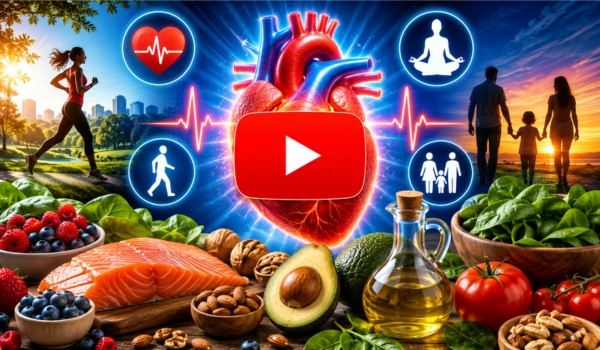
12. Build Long-Term Heart-Healthy Habits
Preventing cardiovascular disease is a long-term commitment built through consistent, healthy lifestyle choices. Daily habits such as balanced nutrition, regular movement, stress management, and proper self-care support a stronger heart and overall wellness. By focusing on sustainable improvements, you can promote lasting cardiovascular health and a healthier future.
❖ A heart-friendly lifestyle includes:
- Eating mostly whole foods
- Staying physically active
- Managing stress effectively
- Sleeping consistently
- Avoiding tobacco
- Maintaining healthy relationships
- Following recommended medical screenings
Small improvements repeated consistently can create meaningful health benefits over time.
Common Cardiovascular Disease Risk Factors
❖ Several factors may increase cardiovascular risk, including:
- High blood pressure
- High cholesterol
- Smoking
- Diabetes
- Physical inactivity
- Poor nutrition
- Excess body weight
- Chronic stress
- Poor sleep
- Family history of heart disease
- Increasing age
Understanding these factors helps individuals take proactive steps toward prevention.
The Importance of a Personalized Prevention Plan
A personalized prevention plan helps create a heart-health strategy based on individual goals, lifestyle habits, and health needs. It empowers people to make positive changes that support stronger cardiovascular function and overall wellness.
With the right approach and consistent habits, individuals can build a healthier future while reducing potential heart-related risks.
❖ A personalized cardiovascular prevention plan considers:
- Current health status
- Family history
- Lifestyle habits
- Medical recommendations
- Personal goals
Working with healthcare professionals can help create realistic strategies that fit individual needs.
Final Thoughts: How to Prevent Cardiovascular Disease
Protecting your heart begins with positive lifestyle choices that strengthen cardiovascular health and support long-term wellness.
A balanced diet, regular physical activity, healthy weight management, proper stress control, quality sleep, and routine health checkups create a strong foundation for a healthier heart.
Every healthy decision you make today contributes to better energy, improved overall wellness, and lasting cardiovascular support. Consistent habits can help maintain a strong circulatory system and promote a more active, healthier life.
Prioritizing heart health is a powerful investment in your future, helping you enjoy greater vitality and confidence every day.
By embracing simple, sustainable wellness practices, you can take meaningful steps toward maintaining a stronger heart and a healthier lifestyle for years to come.
References
https://en.wikipedia.org/wiki/Cardiovascular_disease
https://www.webmd.com/heart-disease/guide/heart-disease-prevention
https://www.healthline.com/health/heart-disease-prevention
https://www.mayoclinic.org/diseases-conditions/heart-disease/in-depth/heart-disease-prevention
About Us
