Foods Associated With Prostate Health: Best Diet Choices
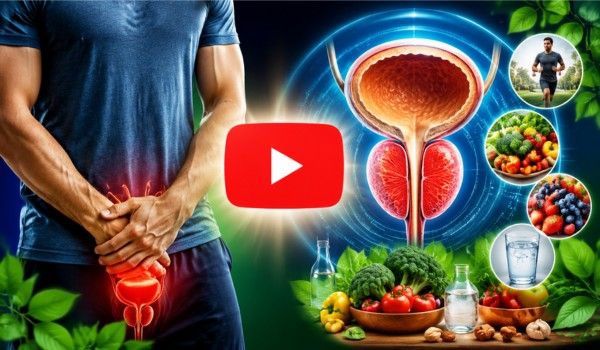
The prostate is a small gland that plays an important role in male reproductive health. As men age, maintaining prostate wellness becomes an important part of overall health, especially because lifestyle choices, diet quality, and daily habits can influence the body’s natural functions.
Research suggests that a nutrient-rich diet may support prostate health by providing antioxidants, vitamins, minerals, and plant-based compounds that help the body manage oxidative stress and maintain healthy cellular function.


In this guide, we will explore the foods associated with prostate health and how adding these nutritious options to your daily meals may support long-term wellness.
How Food Choices Influence Prostate Health
A healthy diet does not work as a replacement for medical care, but it can be an important part of a healthy lifestyle.
The foods you regularly consume can affect inflammation levels, metabolism, heart health, and the body’s ability to protect cells.
Many researchers have studied dietary patterns that include:
- Plenty of vegetables and fruits
- Healthy sources of fats
- High-quality proteins
- Whole grains
- Plant-based nutrients
These foods provide essential nutrients that support normal body functions.
A balanced eating pattern may help support:
- Healthy inflammatory responses
- Normal hormone balance
- Better cardiovascular health
- Protection against oxidative stress
- Overall wellness as men age
The Mediterranean-style diet is often studied for its focus on vegetables, fruits, fish, olive oil, nuts, and whole foods.
This type of eating pattern is associated with several health benefits and is frequently discussed in research related to aging and men’s health.
1. Tomatoes and Tomato-Based Foods
Tomatoes are one of the most researched foods associated with prostate health. They contain lycopene, a natural plant compound responsible for their red color.
Lycopene belongs to a group of antioxidants called carotenoids. These compounds help protect cells from oxidative stress caused by unstable molecules called free radicals.
Tomatoes may provide more available lycopene when they are cooked. For this reason, tomato-based foods may be a convenient way to include this nutrient in the diet.
Examples include:
- Tomato sauce
- Tomato paste
- Cooked tomatoes
- Vegetable soups containing tomatoes
- Homemade pasta sauces
Research has examined the relationship between tomato consumption and prostate health.
Some studies suggest that diets higher in tomato products may be associated with better prostate outcomes, although researchers continue investigating the exact effects.
Tomatoes also provide:
- Vitamin C
- Potassium
- Fiber
- Other beneficial plant compounds
Adding tomatoes to meals is a simple way to increase vegetable intake while providing important nutrients.
2. Cruciferous Vegetables
Cruciferous vegetables are another important group of foods linked with prostate wellness.
These vegetables contain naturally occurring plant compounds that have been widely studied for their potential health-supporting properties.
Common cruciferous vegetables include:
- Broccoli
- Cauliflower
- Brussels sprouts
- Cabbage
- Kale
Broccoli is especially studied because it contains sulforaphane, a plant compound linked in research on cellular protection and antioxidant activity.
These vegetables are valuable because they provide:
- Dietary fiber
- Vitamin C
- Vitamin K
- Folate
- Protective plant compounds
Including cruciferous vegetables regularly can improve overall diet quality.
Simple ways to add them include:
- Steaming broccoli as a side dish
- Adding cauliflower to soups
- Mixing kale into salads
- Roasting Brussels sprouts with healthy seasonings
A variety of vegetables is generally better than focusing on only one type because different plants provide different nutrients.
3. Green Tea
Green tea is another beverage that has gained attention in prostate health research. It contains natural compounds called polyphenols, including catechins, which have antioxidant properties.
Antioxidants are important because they help protect cells from damage caused by oxidative stress.
Drinking green tea may provide:
- Plant-based antioxidants
- A healthier alternative to sugary drinks
- Additional hydration
- Natural polyphenols
Some studies have explored the connection between green tea compounds and prostate-related health outcomes. Researchers continue to study how these compounds interact with biological processes in the body.
For those who enjoy green tea, simple habits include:
- Drinking unsweetened green tea
- Replacing high-sugar beverages
- Enjoying one or two cups as part of a balanced diet
While green tea is not a cure or treatment, it can be a useful addition to an overall healthy eating pattern.
4. Fatty Fish and Omega-3 Rich Foods
Fatty fish are valuable foods associated with prostate health because they provide omega-3 fatty acids.
Popular sources include:
- Salmon
- Sardines
- Trout
- Mackerel
- Herring
Omega-3 fats are known for supporting overall health, particularly cardiovascular wellness. Since heart health and metabolic health are closely connected with healthy aging, including quality sources of fats can be beneficial.
➺ Fatty fish also provide:
- Complete protein
- Vitamin D
- Selenium
- Essential nutrients
Replacing processed or highly saturated fat sources with fish may create a more balanced diet.
➺ Healthy meal ideas include:
- Grilled salmon with vegetables
- Sardines added to salads
- Baked trout with whole grains
- Fish paired with Mediterranean-style ingredients
Eating fish regularly can support a nutrient-rich diet that promotes overall wellness.
5. Berries and Antioxidant-Rich Fruits
Colorful fruits are excellent additions to a prostate-friendly diet because they provide antioxidants, vitamins, and natural plant compounds.
Examples include:
- Blueberries
- Strawberries
- Raspberries
- Blackberries
- Pomegranate
Berries contain compounds called polyphenols and anthocyanins, which contribute to their deep colors.
These nutrients may help support:
- Cellular protection
- Healthy immune function
- Balanced oxidative stress levels
Benefits of adding berries include:
- High fiber content
- Natural sweetness
- Easy preparation
- Variety of nutrients
Ways to enjoy berries:
- Add them to oatmeal
- Mix them into yogurt
- Blend them into smoothies
- Eat them as a snack
Choosing a variety of colorful fruits can help increase the range of nutrients in your daily diet.
6. Nuts and Seeds
Nuts and seeds provide healthy fats, minerals, protein, and plant-based nutrients that can support overall health.
Good options include:
- Walnuts
- Almonds
- Pumpkin seeds
- Flaxseeds
- Chia seeds
Pumpkin seeds are often discussed in relation to men’s wellness because they naturally contain zinc and other nutrients.
Zinc plays a role in many important body functions, including normal immune health and reproductive wellness.
Nuts and seeds provide:
- Healthy unsaturated fats
- Magnesium
- Vitamin E
- Fiber
- Plant protein
Easy ways to include them:
- Sprinkle seeds on salads
- Add nuts to oatmeal
- Use ground flaxseed in smoothies
- Keep small portions available as snacks
Because nuts and seeds are calorie-dense, moderate portions are usually recommended as part of a balanced diet.

7. Soy Foods and Plant-Based Protein Sources
Soy foods are often discussed in prostate health research because they contain isoflavones, naturally occurring plant compounds that belong to a group called phytoestrogens.
Common soy foods include:
- Tofu
- Tempeh
- Soybeans
- Edamame
- Unsweetened soy milk
Researchers have studied isoflavones for their potential effects on hormone-related pathways and cellular health. Research continues to examine how soy consumption may influence prostate-related outcomes.
Soy foods can also be a healthy protein alternative because they provide:
- Complete plant-based protein
- Fiber
- Minerals
- Healthy nutrients without high levels of saturated fat
Replacing some processed meats with plant-based proteins may help create a more balanced eating pattern.
Easy ways to include soy foods:
- Add edamame to salads
- Use tofu in stir-fry dishes
- Choose tempeh as a protein source
- Drink unsweetened soy milk
Moderate consumption as part of a varied diet is generally considered a practical approach.
8. Legumes and Beans
Beans and legumes are excellent foods associated with prostate health because they provide fiber, plant protein, vitamins, and minerals.
Examples include:
- Black beans
- Kidney beans
- Lentils
- Chickpeas
- Peas
A high-fiber diet supports digestive health and helps maintain healthy blood sugar levels. Because metabolic health is connected to overall wellness, eating legumes regularly may be beneficial.
➺ Legumes provide:
- Plant-based protein
- Soluble fiber
- Magnesium
- Folate
- Antioxidants
Benefits of adding more beans:
- Helps replace highly processed foods
- Supports a balanced meal
- Keeps meals filling
- Adds important nutrients
➺ Simple meal ideas include:
- Lentil soup
- Chickpea salads
- Black bean bowls
- Bean-based vegetable dishes
Combining beans with vegetables and whole grains creates a nutrient-rich meal that supports overall health.
9. Whole Grains
Whole grains are another important part of a prostate-supportive diet. Unlike refined grains, whole grains contain all parts of the grain, including fiber-rich layers and nutrients.
Examples include:
- Oats
- Brown rice
- Quinoa
- Barley
- Whole wheat
Fiber plays an important role in maintaining healthy digestion and supporting normal metabolism.
➺ Whole grains provide:
- Dietary fiber
- B vitamins
- Magnesium
- Plant compounds
Choosing whole grains instead of refined carbohydrates may help improve overall diet quality.
➺ Healthy swaps include:
- White rice → Brown rice
- Regular bread → Whole-grain bread
- Sugary breakfast cereals → Oatmeal
- Refined pasta → Whole-grain pasta
A diet higher in whole foods may support healthier aging and better nutritional balance.

10. Olive Oil and Healthy Fats
Extra virgin olive oil is a key component of the Mediterranean diet and is often associated with heart and metabolic health.
It contains:
- Monounsaturated fats
- Antioxidant compounds
- Plant polyphenols
Healthy fats are important because the body needs dietary fat for hormone production, nutrient absorption, and normal cellular functions.
Other healthy fat sources include:
- Avocados
- Walnuts
- Almonds
- Seeds
- Fatty fish
Replacing unhealthy fats with healthier options can improve the overall quality of a diet.
Ways to use olive oil:
- Drizzle over vegetables
- Use in homemade salad dressings
- Cook with moderate heat
- Replace heavily processed sauces
A balanced intake of healthy fats may support overall wellness as part of a nutrient-rich eating pattern.
Foods That May Not Support Prostate Wellness
While certain foods may provide nutritional benefits, some dietary habits may negatively affect overall health when consumed frequently.
Foods commonly recommended to limit include:
➺ Processed Meats
Examples:
- Bacon
- Sausages
- Hot dogs
- Processed deli meats
These foods often contain high amounts of sodium, preservatives, and saturated fats.
Instead, choose:
- Fish
- Poultry
- Beans
- Fresh lean proteins
➺ Excessive Red Meat
Red meat can provide protein and nutrients, but frequent consumption of large amounts may not support a balanced diet.
Healthier approaches include:
- Choosing lean cuts
- Reducing portion sizes
- Including more plant-based meals
➺ Sugary Foods and Drinks
High intake of added sugar may contribute to unhealthy weight gain and metabolic problems.
Limit:
- Soft drinks
- Sweetened beverages
- Candy
- Highly processed desserts
➺ Better choices include:
- Fresh fruit
- Unsweetened beverages
- Homemade snacks
➺ Highly Processed Foods
Many packaged foods contain:
- Excess sodium
- Refined carbohydrates
- Added sugars
- Unhealthy fats
Examples:
- Fast food meals
- Packaged snacks
- Fried processed foods
Choosing whole foods more often can improve overall nutrition quality.
Building a Prostate-Friendly Meal Plan
A healthy prostate-supportive eating pattern does not require extreme restrictions. The goal is to create consistent habits using a variety of nutrient-rich foods.
A balanced daily approach may include:
➺ Breakfast
Examples:
- Oatmeal with berries and nuts
- Whole-grain toast with avocado
- Unsweetened green tea
➺ Lunch
Examples:
- Vegetable salad with salmon
- Lentil soup with whole-grain bread
- Chickpea bowl with vegetables
➺ Dinner
Examples:
- Grilled fish with broccoli and brown rice
- Tomato-based vegetable pasta
- Chicken with roasted vegetables
➺ Snacks
Healthy options:
- Fresh berries
- Pumpkin seeds
- Almonds
- Greek yogurt
Small improvements over time can make a meaningful difference in overall diet quality.
Lifestyle Habits That Complement a Healthy Diet
Food is only one part of maintaining prostate wellness. Other lifestyle habits can also support healthy aging.
Important habits include:
- Staying physically active
- Maintaining a healthy body weight
- Getting enough quality sleep
- Managing stress
- Avoiding smoking
- Limiting excessive alcohol intake
- Following recommended health screenings
Regular conversations with a healthcare professional are important, especially for men experiencing urinary changes or prostate concerns.
Final Thoughts on Foods Associated With Prostate Health
The best foods associated with prostate health are generally whole, nutrient-rich foods that support overall wellness. Vegetables, fruits, fish, nuts, seeds, legumes, whole grains, and healthy fats provide key nutrients that support a balanced diet.
Foods such as tomatoes, cruciferous vegetables, berries, green tea, and omega-3-rich fish have received attention in scientific research because of their beneficial compounds and nutritional value.
However, prostate health depends on many factors, including genetics, age, lifestyle, and medical history. A healthy diet is one important part of a complete wellness strategy.
By choosing more natural, minimally processed foods and building consistent healthy eating habits, men can support overall health and promote long-term wellness.
References
https://en.wikipedia.org/wiki/Prostate
https://www.healthline.com/nutrition/foods-for-prostate-health
https://www.webmd.com/men/prostate-health
About Us