6 Healthy Ways to Eat Fat for Better Heart Health: Top Guide
For many years, dietary fat had a poor reputation. People trying to protect their hearts were often encouraged to choose low-fat foods, avoid oils, and remove as much fat as possible from their diets.
Nutrition science has since become more nuanced. Today, health experts recognize that the type of fat you eat may matter more than simply reducing all dietary fat.
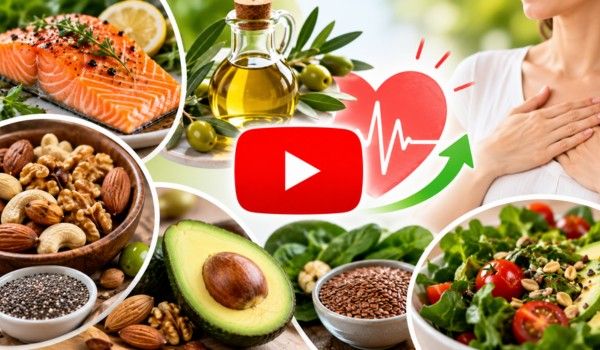
Certain fats can be part of a balanced eating pattern that supports cardiovascular health, while other fats are best limited. Monounsaturated and polyunsaturated fats, for example, are commonly found in foods such as olive oil, nuts, seeds, avocados, and fish. These foods can help replace sources of saturated fat while providing nutrients that support overall health.

The important idea is replacement. Simply adding large quantities of high-fat foods to an already calorie-rich diet is unlikely to benefit the heart.
Instead, heart-healthy eating generally involves replacing foods high in saturated or trans fats with foods containing predominantly unsaturated fats.
Understanding 6 healthy ways to eat fat for better heart health can make healthy eating easier, more enjoyable, and much less restrictive.
You do not need to fear every gram of fat. You simply need to know which sources to prioritize, how much to eat, and what foods they should replace.
Below are six practical ways to enjoy dietary fat while building a heart-conscious eating pattern.
Why Does the Type of Dietary Fat Matter?
Fat is an essential nutrient. Your body needs dietary fat for normal cell function, hormone production, energy storage, nutrient absorption, and other important biological processes. Vitamins A, D, E, and K are fat-soluble, meaning the body absorbs them more efficiently when dietary fat is present.
However, dietary fats are not nutritionally identical.
The main categories include:
- Monounsaturated fats
- Polyunsaturated fats
- Saturated fats
- Trans fats
Monounsaturated and polyunsaturated fats are commonly called unsaturated fats. They are found primarily in plant foods and certain fish.
Saturated fat is found in foods such as fatty cuts of meat, butter, full-fat dairy products, coconut oil, palm oil, pastries, and many processed foods.
Artificial trans fats have been largely removed from the U.S. food supply, but small amounts of naturally occurring trans fats may still be present in some animal products. Checking ingredient labels for partially hydrogenated oils can still be useful when evaluating processed products.
Heart-conscious nutrition generally emphasizes replacing some saturated fats with unsaturated fats rather than eliminating fat completely.
That distinction is important because replacing butter with olive oil is very different from replacing butter with refined sugar or highly processed carbohydrates.
With that foundation in mind, here are six healthier ways to include fat in your diet.
1. Choose Olive Oil Instead of Butter or Shortening
One of the simplest ways to eat fat for better heart health is to use olive oil as your primary cooking fat.
Olive oil is rich in monounsaturated fatty acids, particularly oleic acid. Extra-virgin olive oil also contains naturally occurring plant compounds, including polyphenols, that have attracted considerable research interest in connection with cardiovascular health.
You can use olive oil in many everyday meals.
Try it:
- Drizzled over roasted vegetables
- Mixed into salad dressings
- Used for sautéing vegetables
- Brushed onto whole-grain bread
- Added to hummus
- Used in marinades
- Swirled into soups
- Combined with herbs for dipping
The biggest potential advantage comes when olive oil replaces a food higher in saturated fat.
For example, instead of adding butter to roasted vegetables, toss them with olive oil. Instead of making a creamy dressing based primarily on mayonnaise or heavy cream, prepare a vinaigrette using extra-virgin olive oil, lemon juice, herbs, and vinegar.
Olive oil still contains calories—approximately the same number per tablespoon as other fats—so more is not automatically better. Think of it as a smart substitution rather than a health food that should be consumed without limits.
A Simple Heart-Healthy Swap
Instead of:
Toast + butter
Try:
Whole-grain toast + mashed avocado + a small drizzle of olive oil
This combination replaces some saturated fat while adding unsaturated fat and fiber-rich plant foods.
2. Eat Fatty Fish Rich in Omega-3 Fats
Another excellent strategy is to include omega-3-rich fish regularly.
Fatty fish contain the omega-3 fatty acids EPA and DHA. These fats have been extensively studied for their role in cardiovascular health.
Common omega-3-rich fish include:
- Salmon
- Sardines
- Trout
- Mackerel
- Herring
- Anchovies
Eating fish can be particularly helpful when it replaces processed meats or fatty red meats.
For example, a grilled salmon dinner with vegetables and brown rice offers a very different nutritional profile than a meal centered on sausage, bacon, or a large portion of fatty beef.
How Often Should You Eat Fish?
Many heart-health organizations encourage adults to eat fish regularly, particularly oily fish. A practical goal for many people is to include fish in approximately two meals each week, although individual dietary needs can vary. Preparation method matters as well.
Fish that is grilled, baked, broiled, steamed, or air-fried with minimal added saturated fat is generally preferable to fish that is heavily battered and deep-fried.
Easy Ways to Eat More Fish
You do not need elaborate recipes.
Try:
Breakfast: Whole-grain toast with avocado and smoked salmon.
Lunch: Sardines over mixed greens with tomatoes, beans, olive oil, and lemon.
Dinner: Baked salmon with roasted broccoli and quinoa.
Quick meal: Canned salmon mixed with herbs, vegetables, Greek yogurt, and mustard.
Canned fish can also be convenient and affordable. When choosing canned options, people watching their sodium intake may want to compare labels because sodium levels differ significantly between products.
3. Snack on Nuts and Seeds Instead of Highly Processed Foods
Nuts and seeds are small foods with impressive nutritional density.
Many varieties contain combinations of:
- Unsaturated fats
- Plant protein
- Fiber
- Magnesium
- Vitamin E
- Plant sterols
- Other micronutrients and bioactive compounds
Heart-friendly options include:
- Walnuts
- Almonds
- Pistachios
- Pecans
- Peanuts
- Cashews
- Chia seeds
- Flaxseeds
- Pumpkin seeds
- Sunflower seeds
- Hemp seeds
Walnuts are especially notable because they contain alpha-linolenic acid, or ALA, a plant-based omega-3 fatty acid. Seeds such as chia and flax also contain ALA.
Why Nuts Can Be a Smart Snack
Consider what nuts might replace.
A handful of unsalted almonds may be a better everyday choice than:
- Potato chips
- Cookies
- Candy
- Pastries
- Cheese crackers
- Fried snack foods
The advantage doesn’t come only from the almonds themselves. Part of the benefit comes from replacing a snack higher in refined carbohydrates, sodium, or saturated fat.
Portion Size Still Matters
Nuts are calorie-dense. You don’t need a whole bag at once to get their nutritional benefits. A small handful can be satisfying because nuts contain fat, protein, and fiber. Choosing unsalted or lightly salted nuts may also be useful for people trying to moderate sodium intake.
Add Seeds to Foods You Already Eat
You can easily add healthy fats without dramatically changing your meals.
Try:
- Ground flaxseed in oatmeal
- Chia seeds in yogurt
- Pumpkin seeds on salads
- Hemp seeds in smoothies
- Sunflower seeds over roasted vegetables
- Walnuts mixed into whole-grain cereal
Ground flaxseed may be easier for the body to digest than whole flaxseed because the tough outer shell of whole seeds can sometimes pass through the digestive tract largely intact.
4. Use Avocado as a Creamy Fat Source
Avocados are another convenient way to include predominantly unsaturated fats. They also provide fiber, potassium, folate, and various plant compounds. Because avocado has a naturally creamy texture, it can replace foods that are often higher in saturated fat.
Instead of:
- Butter
- Heavy creamy spreads
- Large amounts of cheese
- Certain mayonnaise-based toppings
Try mashed or sliced avocado.
Heart-Friendly Ways to Use Avocado
Add avocado to:
- Whole-grain toast
- Salads
- Grain bowls
- Tacos
- Sandwiches
- Omelets
- Bean dishes
- Vegetable wraps
You can also blend avocado into dips or sauces.
For example, mashed avocado mixed with lime juice, tomatoes, onion, herbs, and spices makes a simple guacamole you can pair with vegetables or use as a topping for beans and whole grains.
Pair Avocado With Fiber-Rich Foods
A heart-conscious meal might contain:
Brown rice + black beans + grilled vegetables + salsa + avocado
This meal combines unsaturated fat with fiber-rich beans, vegetables, and whole grains. That overall dietary pattern matters more than focusing on any single “superfood.”
Avocados can certainly fit into heart-healthy eating, but they work best as part of a diet rich in vegetables, fruits, legumes, whole grains, nuts, seeds, and other minimally processed foods.
5. Combine Healthy Fats With Vegetables
One overlooked benefit of dietary fat is that it can make vegetables more enjoyable. A plate of dry steamed vegetables may not appeal to everyone. Adding a modest amount of olive oil, avocado, tahini, nuts, or seeds can improve texture and flavor.
Fat can also help your body absorb certain fat-soluble nutrients and carotenoids found in vegetables. That means a completely fat-free salad isn’t necessarily better than a salad with a reasonable amount of healthy fat.
Build a Better Salad
Instead of relying on highly processed dressings, start with:
- Spinach or mixed greens
- Tomatoes
- Bell peppers
- Carrots
- Cucumbers
- Beans or lentils
Then add a healthy fat source such as:
- Olive oil
- Avocado
- Walnuts
- Almonds
- Pumpkin seeds
- Tahini
Finish with vinegar, lemon juice, herbs, or spices. Now the meal contains vegetables, fiber, plant protein, and unsaturated fats.
Try Tahini
Tahini is made from sesame seeds and provides predominantly unsaturated fats.
It can be blended with:
- Lemon juice
- Garlic
- Water
- Herbs
- Spices
to create a creamy dressing without relying heavily on cheese, butter, or cream. Use tahini dressing on salads, roasted vegetables, chickpeas, lentils, or whole-grain bowls.
Roast Vegetables With Olive Oil
Vegetables such as broccoli, Brussels sprouts, cauliflower, carrots, peppers, onions, zucchini, and asparagus can become much more flavorful when roasted with a small amount of olive oil.
The goal is not to drown vegetables in oil. A modest amount helps vegetables brown, improves texture, and makes healthy foods more satisfying.
6. Replace Saturated and Trans Fats Instead of Simply Adding More Fat
The final strategy may be the most important. Do not simply add olive oil, avocado, nuts, seeds, and salmon to your existing diet while keeping every source of saturated fat unchanged. For heart health, replacement matters.
If you add hundreds of extra calories from “healthy fats” each day without changing anything else, your overall energy intake may increase substantially. Instead, look for opportunities to substitute healthier fat sources for foods high in saturated fat.
Try These Practical Swaps
Instead of butter → choose olive oil
Instead of processed meat → choose fish or beans
Instead of chips → choose unsalted nuts
Instead of creamy cheese-heavy dressing → choose olive oil vinaigrette
Instead of a pastry → choose yogurt with berries and walnuts
Instead of heavy cream sauces → try sauces made with olive oil, nuts, seeds, beans, or vegetables
These small changes can gradually shift the overall fat profile of your diet.
What About Saturated Fat?
Saturated fat does not need to be viewed as a poison, but most heart-health guidance recommends limiting it.
Foods particularly high in saturated fat can include:
- Butter
- Fatty meats
- Sausage
- Bacon
- High-fat cheese
- Cream
- Certain pastries
- Coconut oil
- Palm oil
The goal is usually not perfection. If you occasionally eat pizza or enjoy butter on a special meal, that does not determine your cardiovascular health.
Your overall eating pattern over months and years matters much more than one meal. Focus on making unsaturated fats your routine choice while keeping foods high in saturated fat more limited.
What About Coconut Oil?
Coconut oil is often marketed as a healthy alternative to other cooking fats. However, coconut oil contains a high proportion of saturated fat.
Although it may fit into some diets in modest amounts, it should not automatically replace oils richer in unsaturated fats when heart health is the primary goal.
For everyday cooking, oils such as olive, canola, avocado, soybean, sunflower, or other unsaturated-fat-rich oils may provide a more heart-conscious fat profile.
Avoid the “Low-Fat Means Healthy” Trap
A product labeled “fat-free” or “low-fat” is not automatically heart-healthy.
Some low-fat processed foods contain substantial amounts of:
- Added sugar
- Refined flour
- Sodium
- Highly processed ingredients
For example, fat-free cookies are still cookies.
Instead of asking only:
“How much fat does this contain?”
ask:
“What kind of fat does it contain, and what is the overall nutritional quality of this food?”
Whole foods usually make this question easier. An apple with almond butter, for example, may contain more fat than a packet of fat-free candy, but the foods are nutritionally very different.
How Much Fat Should You Eat?
There is no single ideal amount of dietary fat for everyone.
Your needs can vary depending on:
- Age
- Body size
- Activity level
- Total calorie needs
- Medical conditions
- Cholesterol levels
- Food preferences
- Weight goals
- Medications
Rather than obsessing over a precise gram target, many people can benefit from focusing first on fat quality.
Prioritize:
More: olive oil, fish, avocado, nuts, seeds, and other unsaturated-fat-rich foods.
Less often: butter, processed meats, heavy cream, fatty meat, and highly processed foods rich in saturated fat.
Your physician or registered dietitian may recommend more specific targets if you have cardiovascular disease, high LDL cholesterol, diabetes, kidney disease, or another condition requiring individualized nutrition planning.
A Sample Day of Heart-Healthy Fat Intake
Healthy fats can fit naturally into normal meals.
Breakfast
Oatmeal topped with:
- Blueberries
- Ground flaxseed
- Walnuts
- Cinnamon
This meal provides whole grains, fruit, fiber, and unsaturated fats.
Lunch
Large salad containing:
- Mixed greens
- Chickpeas
- Tomatoes
- Cucumbers
- Bell peppers
- Avocado
- Pumpkin seeds
Dress it with extra-virgin olive oil and vinegar.
Snack
Apple slices with natural peanut or almond butter.
Dinner
Baked salmon with:
- Quinoa
- Roasted broccoli
- Carrots
- Olive oil
- Lemon
- Herbs
Dessert
Fresh berries with plain yogurt and chopped nuts. This example demonstrates an important point: eating heart-healthy fats does not require unusual supplements or complicated recipes. It mostly involves choosing better sources of fat in everyday meals.
Healthy Fat Foods to Keep in Your Kitchen
Keeping nutritious ingredients readily available makes healthy eating much easier.
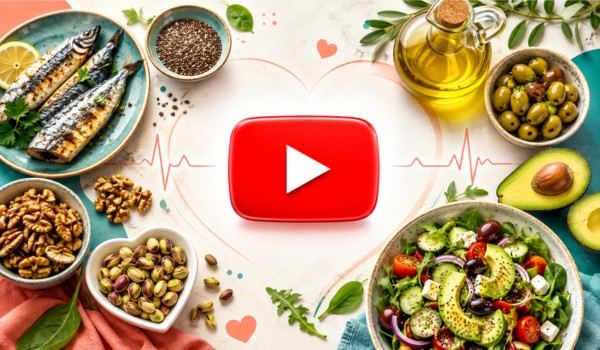
Consider stocking:
Oils
- Extra-virgin olive oil
- Canola oil
- Avocado oil
Nuts
- Walnuts
- Almonds
- Pistachios
- Pecans
- Peanuts
Seeds
- Chia seeds
- Flaxseeds
- Hemp seeds
- Pumpkin seeds
- Sunflower seeds
Fish
- Salmon
- Sardines
- Trout
- Mackerel
Other Foods
- Avocados
- Natural nut butter
- Tahini
- Olives
- Hummus
You do not need every item on this list. Choose foods that fit your budget, dietary preferences, and cooking style.
Common Mistakes When Eating Healthy Fats
Even nutritious foods can be used in ways that undermine an otherwise balanced diet.
Eating Unlimited Portions
Healthy fats are calorie-dense. A tablespoon of oil, a handful of nuts, and half an avocado can fit easily into a balanced diet, but overly large portions can quickly increase daily calorie intake.
Adding Healthy Fats Without Replacing Anything
Adding olive oil to a meal already rich in cheese, butter, and fatty meat is different from using olive oil to replace some of those foods.
Assuming Every Plant-Based Fat Is Heart-Healthy
Plant origin does not automatically mean low in saturated fat. Coconut and palm oils, for instance, contain considerably more saturated fat than many commonly used vegetable oils.
Ignoring the Rest of the Diet
Eating salmon twice a week will not compensate for a diet dominated by refined grains, sugary beverages, highly processed foods, and excessive sodium. Heart health depends on the entire dietary pattern.
Beyond Fat: Build the Entire Diet Around Heart Health
Choosing better fats is important, but it is only one part of cardiovascular nutrition.
A heart-conscious diet also emphasizes:
- Vegetables
- Fruits
- Whole grains
- Legumes
- Nuts
- Seeds
- Fish
- Lean protein sources
- Minimally processed foods
At the same time, it generally limits excessive:
- Sodium
- Added sugars
- Saturated fat
- Refined carbohydrates
- Highly processed foods
Physical activity, adequate sleep, maintaining an appropriate weight, avoiding tobacco, managing blood pressure, and controlling blood glucose and cholesterol are also major parts of cardiovascular health. Dietary fat should therefore be viewed as one piece of a larger lifestyle strategy.
Frequently Asked Questions
Is eating fat bad for your heart?
Not necessarily. The health effects of dietary fat depend significantly on the type of fat and the foods it replaces. Unsaturated fats from foods such as fish, olive oil, nuts, seeds, and avocados can fit into a heart-conscious dietary pattern.
What is the healthiest fat to eat?
There is no single healthiest fat. A varied intake of monounsaturated and polyunsaturated fats from foods such as olive oil, nuts, seeds, fish, and avocado is generally a practical approach.
Is olive oil good for heart health?
Olive oil is rich in monounsaturated fat and is commonly included in heart-friendly eating patterns such as the Mediterranean diet. It is especially useful when it replaces fats higher in saturated fat.
Can I eat nuts every day?
For most people, a moderate portion of nuts can fit into a healthy daily diet. Unsalted or lightly salted options are generally preferable when sodium intake is a concern.
Are eggs a healthy source of fat?
Eggs provide fat, protein, vitamins, minerals, and other nutrients. Whether they fit into a person’s diet depends on the overall eating pattern and individual health considerations.
Should I completely avoid saturated fat?
Most people do not need to eliminate saturated fat completely. The goal is generally to keep intake moderate while emphasizing unsaturated fats.
Final Thoughts: 6 Healthy Ways to Eat Fat for Better Heart Health
Learning 6 healthy ways to eat fat for better heart health does not mean eliminating enjoyable foods or following an extremely low-fat diet. It means becoming more intentional about where your dietary fat comes from.
Start by using olive oil instead of butter, eating omega-3-rich fish, choosing nuts and seeds for snacks, adding avocado to meals, combining healthy fats with vegetables and whole foods, and most importantly, replacing saturated fats rather than simply adding extra fat.
These habits can help create a dietary pattern rich in unsaturated fats, fiber, plant foods, and nutrient-dense ingredients. You do not need to change everything overnight. Replacing one or two foods at a time can make the transition easier.
Switch to olive oil instead of butter this week. Add walnuts to breakfast tomorrow. Make salmon instead of processed meat for one dinner. Add avocado to your next grain bowl.
Over time, these small decisions can become normal habits.
Heart-healthy eating is not about fearing fat. It is about choosing better fats, eating sensible portions, and building meals around nutritious whole foods.
When you focus on the quality of your overall diet rather than eliminating one nutrient completely, healthy eating becomes much more sustainable—and much more enjoyable.
Reference
https://en.wikipedia.org/wiki/Unsaturated_fat
https://www.webmd.com/diet/foods-high-in-good-fats
https://www.healthline.com/health/heart-disease/good-fats-vs-bad-fats
About Us