
Physical and Psychological Symptoms of Erectile Dysfunction
Erectile dysfunction (ED) is one of the most common sexual health concerns affecting men worldwide. It involves ongoing difficulty achieving or maintaining an erection firm enough for sexual activity and can impact confidence, emotional well-being, relationships, and overall quality of life.
While occasional erection problems may occur due to stress, fatigue, or lifestyle factors, persistent symptoms may indicate underlying physical or psychological causes.
Modern medical research shows that erectile dysfunction is a complex condition influenced by multiple factors, including blood flow, nerve function, hormones, mental health, and daily habits.

Understanding the different symptoms of erectile dysfunction is an important first step toward identifying possible causes and finding appropriate support.
What Is Erectile Dysfunction?
Erectile dysfunction is the inability to achieve or maintain an erection suitable for sexual activity.
An erection requires proper communication between the brain and the body, including healthy nerve signals, adequate blood flow, hormonal balance, and psychological readiness.
During sexual stimulation, the brain sends signals that increase blood flow into the penis. Blood vessels expand, allowing the erectile tissues to fill and become firm. If any part of this process is affected, erection difficulties may occur.
Many people assume erectile dysfunction is simply a normal part of aging, but this is not completely accurate.
Although the risk of ED may increase with age due to higher chances of health conditions, erectile problems are not considered an unavoidable part of getting older.
ED can develop gradually or suddenly. Some men may experience occasional difficulties, while others may notice ongoing changes in their sexual function.
Common Physical Symptoms of Erectile Dysfunction
The physical symptoms of erectile dysfunction can vary depending on the underlying cause. Some men experience only one symptom, while others may notice several changes affecting their sexual health.
1. Difficulty Achieving an Erection
One of the most recognizable symptoms of erectile dysfunction is trouble getting an erection when sexually stimulated.
A man may experience:
- Delayed erection response
- Difficulty becoming firm enough for sexual activity
- Needing more stimulation than before
- Inability to achieve an erection despite sexual desire
This symptom may occur when blood flow, nerve communication, hormone levels, or other physical systems involved in erection are affected.
2. Difficulty Maintaining an Erection
Some men can achieve an erection but struggle to maintain it throughout sexual activity.
This may include:
- Losing firmness during intercourse
- Erections that do not last long enough
- A decrease in erection quality compared with previous experiences
Difficulty maintaining an erection can sometimes create frustration and anxiety, which may further contribute to future erection problems.
3. Reduced Sexual Desire
Although erectile dysfunction mainly involves erection difficulties, some men also experience changes in sexual desire.
Lower libido may be associated with:
- Hormonal changes
- Chronic stress
- Certain medications
- Depression
- Relationship concerns
- General health problems
A decrease in sexual interest does not always mean ED, but when combined with erection difficulties, it may provide important information about the possible cause.
4. Changes in Erection Firmness
Another common physical symptom is a noticeable change in erection quality.
Some men may report that:
- Erections are softer than before
- Erections disappear more quickly
- Sexual stimulation does not produce the same response
- Erections require more effort to maintain
Changes in firmness may sometimes be related to circulation problems because erections depend heavily on healthy blood vessel function.
5. Fewer Morning Erections
Morning erections, also called nocturnal erections, naturally occur during sleep. A reduction in these erections may sometimes provide clues about erectile function.
While occasional changes are normal, consistently reduced morning erections may be associated with physical factors such as:
- Blood vessel problems
- Hormonal changes
- Sleep disorders
- Certain medical conditions
Healthcare professionals may consider this information when evaluating possible causes of ED.
Physical Causes Associated With Erectile Dysfunction Symptoms
Erectile dysfunction is often linked to conditions that affect circulation, nerves, hormones, or overall health.
➢ Cardiovascular and Blood Flow Problems
Healthy erections require sufficient blood flow to the erectile tissues. Conditions affecting the cardiovascular system may interfere with this process.
Examples include:
- High blood pressure
- High cholesterol
- Atherosclerosis (narrowing of arteries)
- Heart disease
Blood vessel health matters because the arteries supplying blood to the penis are relatively small and may show signs of circulation problems earlier than larger blood vessels.
For some men, erectile dysfunction can sometimes be an early indicator of broader cardiovascular concerns. This is why persistent ED symptoms should not always be ignored.
➢ Diabetes and Nerve Damage
Diabetes is one of the common health conditions associated with erectile dysfunction.
High blood sugar levels over time may contribute to:
- Blood vessel damage
- Reduced circulation
- Nerve problems affecting sexual response
Because erections require communication between nerves and blood vessels, damage to either system can interfere with normal erectile function.
➢ Hormonal Changes
Hormones play an important role in sexual health. Testosterone, in particular, contributes to sexual desire and reproductive function.
Lower hormone levels may contribute to:
- Reduced libido
- Lower energy
- Changes in sexual response
- Difficulty achieving erections
However, hormone-related ED should be properly evaluated because many different factors can influence testosterone levels.
➢ Neurological Conditions
The nervous system controls communication between the brain and sexual organs. Conditions affecting nerve signals may contribute to erectile difficulties.
Examples include:
- Spinal cord injuries
- Multiple sclerosis
- Parkinson’s disease
- Nerve damage related to certain medical conditions
When nerve communication is disrupted, the body may have difficulty responding properly to sexual stimulation.
Lifestyle Factors That May Influence Physical ED Symptoms
Daily habits can also affect erectile function.
Factors that may contribute include:
- Smoking: Smoking can negatively affect blood vessel health and circulation. Reduced blood flow may make it harder to achieve or maintain erections.
- Excessive Alcohol Consumption: Heavy alcohol intake may interfere with nervous system function, hormone balance, and sexual response.
- Lack of Physical Activity: Regular movement supports cardiovascular health, circulation, and overall wellness. A sedentary lifestyle may increase the risk of health conditions associated with ED.
- Poor Sleep Quality: Sleep plays an important role in hormone regulation and overall health. Sleep problems may influence sexual function and energy levels.
Early Warning Signs of Erectile Dysfunction
Recognizing early changes can help men seek support before symptoms worsen.
Possible warning signs include:
- Erections becoming less firm than before
- Needing more stimulation to achieve an erection
- Losing erections during sexual activity
- Reduced interest in sex
- Feeling concerned or frustrated about sexual performance
- Noticeable changes in erection patterns
Many men delay discussing ED because of embarrassment, but healthcare professionals commonly evaluate and treat this condition.
Open communication can help identify whether symptoms are related to physical health, psychological factors, or both.
Erectile dysfunction is not simply a sexual issue. It can reflect overall health changes, so awareness and early evaluation matter.
Psychological Symptoms of Erectile Dysfunction
While erectile dysfunction is often linked to physical health conditions, psychological factors can also play a major role in sexual performance.
The brain is an essential part of sexual function because sexual arousal begins with thoughts, emotions, and neurological signals.
Psychological erectile dysfunction occurs when emotional or mental factors interfere with the ability to achieve or maintain an erection.
In many cases, psychological factors do not completely prevent sexual function but create challenges that become more noticeable during intimate situations.
Common psychological symptoms associated with erectile dysfunction include:
- Increased worry about sexual performance
- Fear of failure during intimacy
- Reduced confidence and self-esteem
- Feelings of embarrassment or frustration
- Stress related to sexual relationships
- Avoiding sexual situations
- Emotional distress after unsuccessful sexual experiences
These symptoms can create a cycle where anxiety about erectile performance makes future sexual experiences more difficult.
Performance Anxiety and Erectile Dysfunction
Performance anxiety is one of the most common psychological factors connected with erectile difficulties.
When a man becomes overly focused on whether he will perform successfully, the brain may enter a stress response. Increased stress hormones can affect relaxation, focus, and the natural sexual response.
For example, a person who experiences difficulty maintaining an erection once may begin worrying:
- “Will it happen again?”
- “Will my partner be disappointed?”
- “Is something wrong with me?”
These thoughts can increase pressure and create additional anxiety during future intimate moments.
The result may become a repeating pattern:
One unsuccessful experience → increased worry → more pressure → greater difficulty relaxing → increased chance of erection problems
Breaking this cycle often requires addressing the emotional factors involved, not only the physical symptoms.
Stress and Its Effect on Erectile Function
Daily stress can influence many areas of health, including sexual wellness. Work pressure, financial concerns, family responsibilities, and emotional challenges can affect the body’s ability to respond normally during intimacy.
Chronic stress may contribute to erectile difficulties by:
- Increasing tension and anxiety
- Affecting sleep quality
- Influencing hormone balance
- Reducing sexual interest
- Making relaxation more difficult
When the mind is constantly focused on stress, it may become harder to shift attention toward sexual stimulation and intimacy.
Managing stress through healthy coping methods, physical activity, relaxation techniques, and proper sleep habits may support overall sexual health.
Depression and Erectile Dysfunction
Depression can influence both emotional well-being and sexual function. Men experiencing depression may notice changes in:
- Sexual desire
- Energy levels
- Motivation
- Confidence
- Emotional connection
Depression can affect the brain chemicals involved in pleasure, motivation, and sexual response. In addition, some medications used to manage depression may also influence sexual function in certain individuals.
Because depression and erectile dysfunction can affect each other, addressing mental health is an important part of understanding and managing ED symptoms.
Relationship Problems and Emotional Impact
Erectile dysfunction can affect more than the individual experiencing symptoms. It may also influence romantic relationships and emotional connection.
Some men may experience:
- Fear of disappointing their partner
- Reduced communication about intimacy
- Feelings of isolation
- Avoidance of physical affection
- Relationship tension
Partners may misunderstand erectile difficulties as a lack of attraction or interest, even though ED is often related to physical health, emotional stress, or both.
Open communication can help reduce pressure and create a supportive environment. Many couples find that discussing concerns honestly improves emotional closeness and reduces anxiety.
The Connection Between Physical and Psychological Erectile Dysfunction
Physical and psychological causes of erectile dysfunction are not always separate. In many cases, they influence each other.
For example:
A man may develop erectile difficulties due to a physical health issue such as reduced circulation. After experiencing erection problems, he may develop anxiety about future sexual experiences. That anxiety may then make maintaining an erection even more challenging.
This creates a relationship between body and mind:
Physical changes can create emotional stress, and emotional stress can worsen physical symptoms.
Healthcare professionals often consider both aspects when evaluating erectile dysfunction because treating only one side may not fully address the problem.
A complete approach considers:
- Physical health
- Mental health
- Lifestyle habits
- Relationship factors
- Medication history
- Overall well-being
How Erectile Dysfunction Is Diagnosed
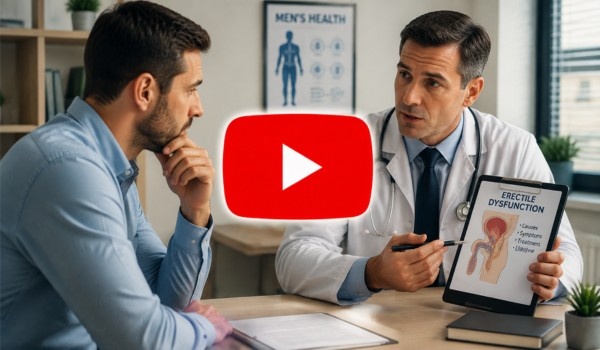
Diagnosing erectile dysfunction usually begins with a discussion between the patient and healthcare provider.
A medical professional may evaluate:
➢ Medical History
The doctor may ask about:
- When symptoms started
- How often they occur
- Whether erections occur during sleep
- Existing health conditions
- Medications being used
- Lifestyle habits
➢ Physical Examination
A physical examination may help identify health factors that affect sexual function.
➢ Blood Tests
In some cases, blood tests may be used to check factors such as:
- Hormone levels
- Blood sugar levels
- Cholesterol levels
- Other health indicators
➢ Mental Health Assessment
Because psychological factors can contribute to ED, healthcare providers may also consider:
- Stress levels
- Anxiety symptoms
- Depression symptoms
- Relationship concerns
A thorough evaluation helps determine whether erectile dysfunction is mainly physical, psychological, or a combination of both.
Treatment Approaches for Erectile Dysfunction
Treatment for erectile dysfunction depends on the underlying cause. There is no single approach that works for every person because ED can develop from different physical and psychological factors.
➢ Lifestyle Improvements:
Healthy lifestyle choices may support better sexual health and overall wellness.
Important areas include:
- Regular Physical Activity: Exercise supports cardiovascular health, circulation, energy levels, and overall physical function. Maintaining an active lifestyle may help reduce some risk factors associated with erectile difficulties.
- Balanced Nutrition: A nutrient-rich eating pattern supports heart health, blood vessel function, and general wellness. Because erections rely heavily on circulation, supporting cardiovascular health is important.
- Quality Sleep: Adequate sleep supports hormone regulation, mood, energy, and overall health. Poor sleep habits may negatively affect many body systems, including sexual function.
- Reducing Tobacco and Excessive Alcohol: Avoiding smoking and limiting excessive alcohol consumption may support healthier circulation and improve overall wellness.
➢ Psychological Support and Counseling
When emotional factors contribute to erectile dysfunction, psychological support can be an important part of treatment.
Counseling approaches may help with:
- Performance anxiety
- Relationship concerns
- Stress management
- Negative thoughts about sexual performance
- Confidence and self-esteem challenges
Sex therapy or relationship counseling may help individuals and couples communicate more openly and reduce pressure surrounding intimacy.
Addressing emotional factors does not mean the condition is “only psychological.” Mental and physical health are closely connected, and both deserve attention.
➢ Medical Treatments for Erectile Dysfunction
Depending on individual circumstances, healthcare providers may recommend medical treatments designed to improve erectile function.
➢ Possible approaches may include:
- Prescription medications
- Hormonal evaluation and treatment when appropriate
- Medical devices
- Other specialized therapies
A healthcare professional can determine the most suitable option based on medical history, symptoms, and overall health.
Self-diagnosis and using unverified treatments without medical advice may not address the actual cause of erectile difficulties.
Preventing and Managing Erectile Dysfunction Naturally
Although not all cases of erectile dysfunction can be prevented, maintaining healthy habits may support sexual wellness.
Helpful strategies include:
- Maintaining a healthy weight
- Staying physically active
- Managing stress effectively
- Getting regular health checkups
- Avoiding smoking
- Limiting excessive alcohol
- Maintaining healthy relationships
- Addressing mental health concerns
Sexual health is closely connected to overall health, and caring for the body and mind can improve quality of life.
Final Thoughts: Understanding the Full Picture of Erectile Dysfunction Symptoms
Erectile dysfunction is a complex condition that involves both physical and psychological factors.
The symptoms may include difficulty achieving an erection, trouble maintaining firmness, reduced sexual desire, anxiety, stress, and emotional challenges.
Understanding the difference between physical and psychological symptoms can help men recognize possible causes and seek appropriate support.
ED is not simply a sign of aging or a personal failure. Circulation, hormones, health conditions, stress, emotions, and lifestyle factors can influence it.
Early attention to symptoms can help identify underlying concerns and improve overall well-being.
A balanced approach that considers both physical health and mental wellness often provides the most complete understanding of erectile dysfunction.
Talking with a qualified healthcare professional is an important step for anyone experiencing persistent erectile difficulties.
With proper evaluation, lifestyle support, and appropriate treatment strategies, many men can improve their sexual health and regain confidence.
References
https://en.wikipedia.org/wiki/Erectile_dysfunction
https://www.healthline.com/health/erectile-dysfunction
https://www.webmd.com/men/guide/erectile-dysfunction
About Us
