3 Ways to Maintain an Erection: Simple Tips for Men
Maintaining a firm erection throughout sexual activity can sometimes be more difficult than getting one in the first place. An erection depends on several systems working together.
Including healthy blood flow, nerve signaling, sexual arousal, hormone balance, emotional well-being, and cardiovascular health. When one of these areas is disrupted, erection firmness or duration may change.
An occasional loss of firmness is common and does not automatically mean that someone has erectile dysfunction. Fatigue, stress, alcohol, distraction, relationship tension, anxiety, or simply not feeling sufficiently.
Improve blood flow, reduce performance anxiety, and address underlying health issues to help maintain a firmer erection during sexual activity.


Arousal can influence sexual performance on a particular occasion. The situation becomes more important when difficulty maintaining an erection happens repeatedly.
The good news is that there are practical steps that may support erectile function. For many men, improving cardiovascular health, reducing performance-related anxiety, and identifying medical causes can make a meaningful difference.
This guide explains 3 ways to maintain an erection, why erections sometimes disappear during sexual activity, which habits may support healthy sexual function, and when it is appropriate to speak with a healthcare professional.
Medical note: This article provides general health information and is not a substitute for medical diagnosis or treatment. Persistent erection difficulties should be discussed with a qualified healthcare professional.
What Does It Mean to Maintain an Erection?
An erection occurs when sexual stimulation causes signals from the brain and nerves to increase blood flow into erectile tissue within the penis. As blood enters, pressure increases and helps create firmness.
Maintaining an erection requires that sufficient blood continues entering the penis while blood leaving the erectile tissue is temporarily restricted. This process depends heavily on healthy blood vessels, nerves, sexual stimulation, and relaxation of smooth muscle tissue.
The brain also has an important role. Sexual interest, confidence, stress, anxiety, relationship dynamics, and concentration can influence the signals involved in maintaining arousal.
For this reason, losing an erection does not always mean there is something physically wrong. Sometimes the cause is temporary and related to stress, tiredness, distraction, or insufficient stimulation.
Repeated difficulty getting or maintaining an erection firm enough for sexual activity, however, may be a sign of erectile dysfunction, commonly abbreviated as ED.
Why Do I Get Hard but Lose My Erection Quickly?
This is one of the most common questions surrounding erectile performance.
A person may initially become erect because arousal and blood flow are adequate. However, the erection may gradually soften when arousal decreases, anxiety increases, stimulation changes, or blood flow cannot be maintained effectively.
Stress is an especially common factor. Someone may begin thinking about whether the erection is firm enough or whether they will satisfy their partner. That internal monitoring can shift attention away from pleasurable sensations and toward performance.
Physical causes are also possible. Cardiovascular disease, diabetes, obesity, high blood pressure, high cholesterol, tobacco use, certain medications, hormonal problems, nerve disorders, pelvic surgery, and other health conditions may contribute to erectile difficulties.
Erection problems therefore should not automatically be treated as simply a sexual-performance issue. Persistent changes deserve appropriate medical evaluation because erectile function can sometimes reflect broader cardiovascular or metabolic health.
1. Improve Blood Flow and Cardiovascular Health
The first of the 3 ways to maintain an erection is to focus on cardiovascular health. Healthy erections depend heavily on circulation.
Blood must travel through arteries into the penis efficiently for adequate firmness to develop and remain. Anything that harms blood vessel health can therefore potentially affect erectile function.
High blood pressure, high cholesterol, diabetes, obesity, smoking, physical inactivity, and cardiovascular disease are among the health factors associated with erectile dysfunction.
Supporting cardiovascular health does not create an instant erection, but it can help create better conditions for normal erectile function over time.
🔷 Exercise Regularly
Physical activity supports several systems that are important for sexual health. Exercise helps promote cardiovascular fitness, healthy circulation, weight management, blood sugar regulation, and stress reduction. Those benefits can indirectly support erectile function.
Aerobic activities such as brisk walking, cycling, swimming, jogging, or similar cardiovascular exercise can be particularly useful for improving overall vascular health. Strength training can also be part of a balanced fitness routine.
You do not need to become an elite athlete. The more important goal is developing a sustainable routine that keeps you physically active throughout the week.
People who have been sedentary or have cardiovascular disease should speak with a healthcare professional before starting an intense exercise program.
🔷 Maintain a Healthy Body Weight
Body weight and erectile health are connected through several pathways. Excess body fat is associated with conditions including insulin resistance, type 2 diabetes, cardiovascular disease, sleep disorders, and hormonal changes. Each of these can potentially contribute to erection difficulties.
Gradual, sustainable weight management may therefore support sexual health alongside its broader health benefits.
Crash dieting is unnecessary. A combination of nutritious food choices, appropriate calorie intake, regular movement, adequate sleep, and realistic long-term goals is generally more sustainable.
🔷 Choose Foods That Support Cardiovascular Health
Your diet cannot guarantee stronger erections, but eating patterns that promote healthy blood vessels may support the same cardiovascular system involved in erectile function. A Mediterranean-style eating pattern is one commonly studied approach.
That generally means emphasizing vegetables, fruits, whole grains, legumes, nuts, seeds, fish, and sources of unsaturated fats while limiting excessive amounts of highly processed foods, saturated fat, added sugar, and sodium.
Instead of searching for one supposed “erection food,” think about the overall pattern. A healthy vascular system comes from consistent habits, not a single meal or ingredient.

🔷 Stop Smoking
Smoking is one of the lifestyle factors associated with erectile dysfunction. Tobacco can damage blood vessels and interfere with circulation. Because erections rely on healthy vascular function, smoking can make maintaining firmness more difficult.
Quitting smoking can be challenging, but professional smoking-cessation support, medications, nicotine-replacement strategies, and behavioral programs are available.
Stopping tobacco use benefits much more than sexual health. It also lowers risks associated with cardiovascular disease, stroke, lung disease, and several cancers.
🔷 Limit Excessive Alcohol
A small amount of alcohol may make some people feel relaxed, but more alcohol does not necessarily improve sexual performance.
Excessive drinking can interfere with nerve signaling, judgment, arousal, and the body’s ability to maintain an erection. Long-term heavy alcohol use may also contribute to broader health problems that affect sexual function.
If erection difficulty happens mostly after drinking, reducing alcohol intake may be a straightforward place to start. The key idea behind the first strategy is simple: better cardiovascular health generally creates better conditions for healthy erectile blood flow.
2. Reduce Performance Anxiety and Maintain Sexual Arousal
Erections are not purely mechanical. The brain plays a central role in sexual arousal, and emotional state can influence whether an erection develops and remains firm.
This is why someone can have normal erections at some times but unexpectedly lose firmness during partnered sexual activity.
Performance anxiety can become a repeating cycle. A person experiences one difficult sexual encounter. During the next encounter, they start wondering whether it will happen again.
That concern increases stress and reduces focus on arousal. The erection becomes less reliable, which creates even more anxiety for the future. Breaking this cycle can be one of the most effective ways to improve confidence.
🔷 Stop Constantly Checking Your Erection
One common mistake is repeatedly evaluating firmness during intimacy. Thoughts such as “Am I still hard?”, “What if I lose it?”, or “Is this good enough?” move attention away from sexual sensations. Trying too hard to control an erection can sometimes make it more difficult to maintain.
Instead, shift attention toward closeness, arousal, touch, breathing, and the overall sexual experience rather than constantly measuring performance.
An erection naturally changes in firmness during sexual activity. A temporary reduction in firmness does not automatically mean the experience is over.
🔷 Give Arousal Enough Time
Sexual arousal doesn’t always happen instantly. Age, stress level, relationship circumstances, medication use, fatigue, and general health can influence how quickly someone becomes fully aroused.
Trying to rush sexual activity may create unnecessary pressure. Allowing enough time for arousal can help the body’s normal erectile response develop more naturally.
It is also important to remember that ED medications, when prescribed, still generally require sexual stimulation. They are not designed to automatically create an erection without arousal.
🔷 Communicate With Your Partner
Silence often increases pressure. Someone struggling with erection firmness may assume that their partner is disappointed, while the partner may incorrectly assume the loss of firmness means a lack of attraction.
A simple conversation can remove considerable stress. Open communication can help both partners understand that erection changes can happen for many reasons and are not necessarily a reflection of attraction or relationship quality.
Reducing the feeling that every sexual encounter is a “performance test” can make intimacy more relaxed.
🔷 Manage Everyday Stress
Stress outside the bedroom can follow you into it. Work pressure, financial concerns, family responsibilities, inadequate sleep, relationship conflict, and emotional exhaustion may make sexual arousal more difficult.
Stress-management strategies can therefore indirectly support sexual performance. Regular exercise, adequate sleep, relaxation practices, hobbies, time outdoors, social connection, and realistic work-life boundaries can all contribute to better emotional well-being.
If stress or anxiety feels difficult to manage independently, working with a mental health professional can be beneficial.
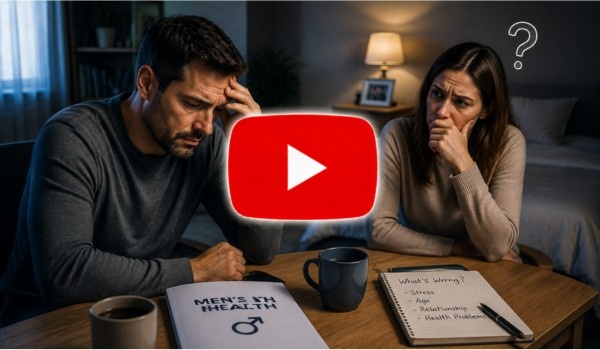
🔷 Consider Counseling When Anxiety Keeps Returning
When erection problems are strongly connected with anxiety, depression, relationship conflict, or previous negative sexual experiences, counseling can sometimes be an important part of treatment.
A qualified therapist or sex therapist may help identify thoughts and behaviors that maintain performance anxiety. Couples counseling can also help when relationship communication is contributing to sexual stress.
Seeking psychological support does not mean the erection problem is imaginary. Physical and psychological factors often interact.
For example, a mild physical change may cause worry about erection quality. The worry then makes the physical problem worse.
Addressing both sides of the situation can be more effective than focusing exclusively on one.
3. Identify Medical Causes and Use Evidence-Based Treatment When Needed
The third important way to maintain an erection is to determine whether an underlying medical issue is contributing to the problem.
Lifestyle changes and stress reduction are valuable, but they cannot fix every cause of erectile dysfunction. Persistent difficulty maintaining an erection deserves medical attention.
A healthcare professional may review medical history, sexual history, medications, cardiovascular risk factors, hormone-related symptoms, mental health, and other relevant issues. Depending on the situation, a physical exam or lab tests may also be appropriate.
The goal is not simply to prescribe an erection medication. It is to understand why erectile function has changed.
🔷 Review Your Medications
Certain prescription medicines can contribute to erectile difficulties in some people. Possible examples include medications used for blood pressure, depression, anxiety, prostate conditions, pain, and several other medical problems.
Never stop a prescribed medication because you suspect it is causing ED. Suddenly discontinuing some medications can be dangerous.
Instead, tell your healthcare professional when the erection problem began and provide a complete list of prescription drugs, over-the-counter products, and supplements you use. A clinician can determine whether medication could be contributing and whether an alternative is appropriate.
🔷 Check for Cardiovascular and Metabolic Conditions
Persistent erectile dysfunction can sometimes be associated with health conditions affecting blood vessels. Diabetes, hypertension, high cholesterol, obesity, and cardiovascular disease are common examples.
That connection is one reason persistent ED should not simply be ignored or covered up with an unverified sexual-enhancement product.
A healthcare professional may recommend checking blood pressure, blood glucose, cholesterol, and other health markers based on your history and risk factors.
Addressing these underlying problems may improve overall health while also supporting sexual function.
🔷 Prescription ED Medications
Prescription phosphodiesterase type 5 inhibitors, usually called PDE5 inhibitors, are commonly used treatments for erectile dysfunction.
Examples include sildenafil, tadalafil, vardenafil, and avanafil. These medicines help enhance the natural erectile response by improving blood flow during sexual stimulation. They are not appropriate for everyone.
Most importantly, PDE5 inhibitors can interact dangerously with nitrate medications used for chest pain and certain cardiovascular conditions, potentially causing a severe fall in blood pressure.
The safest approach is therefore to obtain ED medication through an appropriate healthcare professional rather than purchasing questionable pills from unverified websites.
What If ED Pills Do Not Work?
Oral medication is not the only evidence-based treatment available.
Depending on the underlying cause and individual circumstances, healthcare professionals may consider vacuum erection devices, injectable medications, urethral treatments, counseling, hormone evaluation when clinically indicated, or surgically implanted devices.
Someone who does not respond well to the first medication should not assume that nothing can be done. Different treatments have different advantages, limitations, side effects, and suitability depending on medical history. A urologist can help determine the most appropriate option.
Be Careful With “Natural Viagra” Products
The internet is filled with products claiming to create stronger erections within minutes. Approach these claims cautiously.
The National Center for Complementary and Integrative Health warns that some supplements marketed for erectile dysfunction or sexual enhancement have been found to contain hidden pharmaceutical ingredients.
These undeclared substances can be dangerous, particularly when combined with medications such as nitrates. No herbal product is a safe, proven replacement for evidence-based ED treatment.
If a product promises dramatic results, does not clearly explain its ingredients, or is marketed as an alternative to prescription medication without medical supervision, use caution.

How to Maintain an Erection Naturally
If you are looking for natural ways to support erection quality, focus first on factors that also improve overall health.
Regular physical activity, a cardiovascular-friendly diet, healthy body weight, adequate sleep, tobacco cessation, moderate alcohol intake, stress management, and good communication with your partner form a much stronger foundation than relying on supposed overnight remedies.
Natural improvement also takes time. Changing your diet for one day or exercising once before sexual activity is unlikely to transform erectile function immediately. The greatest benefits usually come from improving health consistently over weeks and months.
The Role of Sleep in Erection Quality
Sleep is sometimes overlooked when discussing sexual performance. Poor sleep can affect mood, energy, stress hormones, cardiovascular function, and sexual interest. Sleep disorders can also coexist with obesity, diabetes, hypertension, and other health problems associated with ED.
Someone who is consistently exhausted may notice reduced desire or weaker sexual performance even without a serious underlying sexual disorder.
Aim for regular, restorative sleep and speak with a clinician if you experience persistent insomnia, loud snoring, pauses in breathing during sleep, severe daytime sleepiness, or other symptoms suggesting a sleep disorder.
Can Dehydration Make It Harder to Maintain an Erection?
Severe dehydration can affect circulation and general physical performance, but drinking large amounts of water is not a treatment for erectile dysfunction.
Staying adequately hydrated supports normal body function, but claims that a particular amount of water will immediately create stronger erections should be viewed cautiously.
If erectile difficulty happens repeatedly despite normal hydration, the cause is probably more complex and deserves broader evaluation.
Does Testosterone Help Maintain an Erection?
Testosterone plays an important role in male sexual health, particularly libido, but erectile dysfunction should not automatically be blamed on low testosterone.
Blood flow, nerve function, medications, diabetes, cardiovascular health, anxiety, and many other factors may be involved.
Testosterone treatment is generally appropriate only when a healthcare professional identifies clinically meaningful testosterone deficiency and determines that treatment is suitable.
Using testosterone or hormone products without appropriate testing and medical supervision can carry risks.
Common Mistakes That May Make Erections Less Reliable
Several habits can unintentionally make maintaining an erection more difficult. Relying heavily on alcohol for confidence may reduce sexual performance rather than improve it. Constantly checking erection firmness can increase performance anxiety.
Using unregulated sexual-enhancement supplements may create unnecessary health risks. Ignoring diabetes, hypertension, obesity, sleep problems, or cardiovascular symptoms can allow an underlying problem to progress.
Another mistake is expecting every sexual encounter to be identical. Erection firmness naturally varies with mood, stress, fatigue, age, health, stimulation, and circumstances. One imperfect sexual experience does not define someone’s sexual health.
When Should You See a Doctor About Losing Erections?
Occasional erection difficulty usually is not an emergency. However, consider speaking with a healthcare professional when you frequently cannot maintain an erection long enough for sexual activity.
The problem continues for several weeks or months, sexual desire has changed significantly, you have diabetes or cardiovascular risk factors, the problem began after starting a medication, or you have other concerning symptoms.
A sudden major change in erectile function can also deserve evaluation. Erectile dysfunction is treatable in many cases, and identifying the underlying cause can sometimes reveal another health issue that deserves attention.
Seek urgent medical attention for an erection that remains painful or lasts around four hours or longer. This condition, called priapism, requires prompt treatment to reduce the risk of tissue damage.
3 Ways to Maintain an Erection: Quick Summary
The three most important strategies can be summarized simply.
🔷 First, support healthy blood flow. Exercise regularly, maintain a healthy weight, eat a cardiovascular-friendly diet, stop smoking, and avoid excessive alcohol.
🔷 Second, reduce performance pressure and support arousal. Give yourself enough time, stay mentally engaged rather than repeatedly checking firmness, communicate openly with your partner, manage stress, and consider counseling when anxiety is persistent.
🔷 Third, investigate persistent problems medically. Review medications, screen for underlying health conditions, and discuss evidence-based treatments with a healthcare professional rather than relying on unregulated sexual-enhancement products.
These approaches address the physical and psychological systems that actually influence erectile function.

Frequently Asked Questions
What Are the Best 3 Ways to Maintain an Erection?
Three useful approaches are improving cardiovascular health and circulation, reducing stress and performance anxiety while maintaining adequate arousal, and addressing any underlying medical cause with a healthcare professional. Combining these strategies is often more useful than relying on one quick fix.
Why Can I Get an Erection but Not Maintain It?
Possible reasons include performance anxiety, reduced sexual stimulation, stress, tiredness, excessive alcohol, medication side effects, cardiovascular problems, diabetes, nerve problems, or other health conditions. A healthcare professional should evaluate repeated difficulty.
How Can I Stay Hard Longer Naturally?
Regular exercise, nutritious eating, smoking cessation, healthy weight management, adequate sleep, reduced alcohol intake, stress management, and relaxed sexual communication may support erectile function naturally. Results depend on the cause of the problem.
Does Anxiety Cause an Erection to Go Away?
Yes. Stress and anxiety can interfere with sexual arousal and make maintaining an erection more difficult. Worrying specifically about losing the erection can sometimes create a repeating performance-anxiety cycle.
Is Losing an Erection During Sex Normal?
It can happen occasionally, particularly during periods of stress, fatigue, distraction, alcohol use, or reduced arousal. Frequent or persistent difficulty maintaining an erection may meet the definition of erectile dysfunction and should be discussed with a healthcare professional.
Does Exercise Improve Erections?
Regular exercise supports cardiovascular health, blood flow, weight management, stress reduction, and metabolic health. These factors are closely connected with healthy erectile function.
What Foods Help With Erection Quality?
There is no single food guaranteed to produce an erection. A cardiovascular-friendly eating pattern emphasizing fruits, vegetables, whole grains, legumes, nuts, seeds, fish, and unsaturated fats may support vascular health and erectile function.
Should I Take Supplements to Maintain an Erection?
Be cautious with supplements marketed specifically for sexual enhancement. Some have been found to contain undeclared pharmaceutical substances, and herbal products have not been established as universally safe or effective ED treatments. Discuss supplements with a healthcare professional before using them.
When Should I Worry About Erectile Dysfunction?
Consider medical evaluation if difficulty getting or maintaining an erection happens repeatedly, continues over time, affects your quality of life, or occurs alongside diabetes, cardiovascular problems, hormonal symptoms, medication changes, or other health concerns.
Can Erectile Dysfunction Be Treated?
Yes. Treatment depends on the underlying cause and can include lifestyle changes, counseling, management of medical conditions, prescription medications, vacuum devices, injectable treatments, and other specialist-guided options.
Conclusion
Learning 3 ways to maintain an erection begins with understanding that erection quality depends on much more than sexual desire alone.
Healthy blood vessels, functioning nerves, adequate stimulation, emotional well-being, medications, hormones, lifestyle habits, and overall medical health can all influence how long an erection lasts.
Start with the foundations. Regular exercise, nutritious eating, healthy weight management, avoiding tobacco, limiting excessive alcohol, sleeping well, and managing stress can improve overall health while supporting the cardiovascular system that erections rely on.
At the same time, do not underestimate the psychological side of sexual performance. Constantly worrying about staying hard may actually make maintaining an erection more difficult. Relaxation, communication, sufficient arousal, and professional counseling when needed can help reduce that pressure.
Most importantly, repeated erection problems should not simply be ignored. Erectile dysfunction can sometimes be associated with diabetes, cardiovascular disease, medications, mental health conditions, or other treatable problems.
Instead of searching endlessly for an instant erection trick, focus on better circulation, lower performance pressure, and appropriate medical care. Those three strategies provide a safer and more evidence-based foundation for maintaining healthy sexual function.
References
https://en.wikipedia.org/wiki/Erectile_dysfunction
https://www.webmd.com/erectile-dysfunction/understanding-erectile-dysfunction-basics
https://www.healthline.com/health/erectile-dysfunction
https://www.mayoclinic.org/diseases-conditions/erectile-dysfunction/symptoms-causes/syc-20355776
About Us