
Is Gingivitis Contagious? Causes, Risks & Prevention Tips
Gingivitis is one of the most common forms of gum disease, affecting millions of people worldwide. It occurs when plaque, a sticky layer of bacteria that forms on teeth, builds up along the gumline, causing irritation, redness, swelling, and bleeding. A common question is: “Is gingivitis contagious?”
Gingivitis itself is not considered contagious, but the bacteria that cause gum inflammation can spread through saliva, making oral hygiene important.
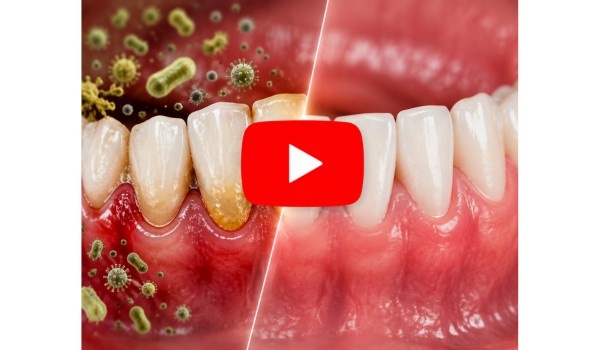

The short answer is that gingivitis itself is not considered a contagious disease, meaning you cannot directly “catch” gum inflammation from another person like a cold or flu.
However, the bacteria associated with gum disease can be transferred through saliva. Activities such as sharing utensils, kissing, or exchanging saliva may allow harmful oral bacteria to move between individuals.
Understanding the difference between bacterial transmission and actual contagious disease is important. While you cannot automatically develop gingivitis because someone else has it, exposure to certain bacteria combined with poor oral hygiene habits may increase your risk of developing gum problems.
This article explains whether gingivitis is contagious, how gum disease bacteria spread, common causes, symptoms, prevention methods, and when professional dental care may be needed.
What Is Gingivitis?
Gingivitis is the earliest stage of gum disease and occurs when bacteria accumulate around the teeth and gums. The body’s immune response to these bacteria can cause inflammation in the gum tissues.
Healthy gums usually appear firm and pink, while gums affected by gingivitis may become:
- Red or darker than normal
- Swollen or tender
- Sensitive during brushing
- Prone to bleeding
- Uncomfortable when eating certain foods
Unlike advanced gum disease, gingivitis typically does not permanently damage the supporting structures of the teeth if treated early. With proper oral care and professional dental cleaning, gum inflammation can often be improved.
The main cause of gingivitis is plaque buildup. When plaque is not removed through regular brushing and flossing, it can harden into tartar, creating a surface where more bacteria collect.
Is Gingivitis Contagious?
The question “Is gingivitis contagious?” has a more complex answer than a simple yes or no.
Gingivitis itself is not contagious because inflammation of the gums is a reaction caused by bacteria already present in the mouth. You cannot transfer gum inflammation directly from one person to another.
However, some bacteria associated with gum disease can be transmitted through saliva. This means that while gingivitis does not spread like an infection, the bacteria that contribute to gum problems may move between people.
For example, bacteria may be exchanged through:
- Kissing
- Sharing toothbrushes
- Sharing eating utensils
- Sharing drinks
- Saliva contact
Even if bacteria are transferred, it does not mean the other person will develop gingivitis. Gum health depends on multiple factors, including oral hygiene habits, immune response, diet, genetics, and overall health.
Can You Get Gingivitis From Kissing?
Kissing can exchange bacteria between two people because saliva contains millions of microorganisms. Some bacteria associated with gum disease can be transferred through close contact.
However, kissing someone with gingivitis does not automatically mean you will develop gum disease.
Your risk depends on factors such as:
- How well you brush and floss
- Your existing oral bacteria balance
- Your gum health
- Your lifestyle habits
- Your immune system
Maintaining good oral hygiene can help reduce the risk of harmful bacteria causing gum inflammation. If both partners experience gum problems, improving daily dental care routines together can support better oral health.
How Do Gingivitis-Causing Bacteria Spread?
The mouth naturally contains hundreds of types of bacteria. Many are harmless and help maintain oral balance. Problems occur when harmful bacteria increase and accumulate around the teeth.
Bacteria linked to gum inflammation may spread through:
- Saliva Exchange: Saliva can carry oral bacteria from one person to another. Close contact may transmit microorganisms, but exposure alone does not guarantee the development of gum disease.
- Shared Personal Items: Sharing toothbrushes or other oral hygiene products can increase the exchange of bacteria.
- Poor Oral Hygiene Habits: When individuals do not remove plaque regularly, bacteria have more opportunity to grow and irritate gum tissues.
- Existing Oral Health Conditions: People with untreated cavities, gum problems, or poor dental hygiene may have higher levels of harmful bacteria.
What Causes Gingivitis?
Although bacteria play a major role, several factors can increase the likelihood of developing gingivitis.
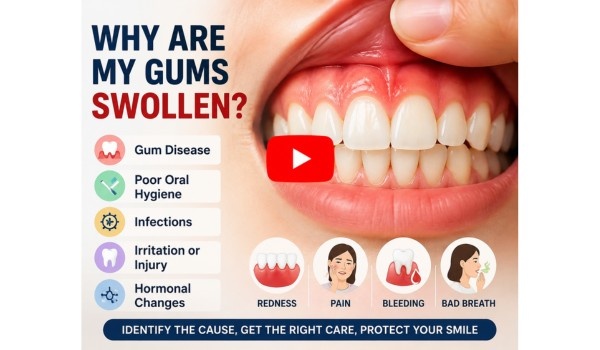
Poor Brushing and Flossing Habits
Inconsistent oral hygiene allows plaque to remain on teeth. Over time, plaque buildup irritates the gums and triggers inflammation.
Plaque and Tartar Buildup
Plaque is a soft bacterial film that can usually be removed through brushing and flossing. If it remains, it may harden into tartar, which generally requires professional cleaning.
Smoking and Tobacco Use
Tobacco products can affect gum health by reducing blood flow to gum tissues and making it harder for the mouth to fight bacteria.
Hormonal Changes
Changes during pregnancy, puberty, or other hormonal shifts can make gums more sensitive and more prone to inflammation.
Certain Medical Conditions
Health conditions that affect the immune system or blood sugar control may increase the risk of gum inflammation.
Dry Mouth
Saliva helps wash away food particles and bacteria. Reduced saliva production can allow harmful bacteria to grow more easily.
Poor Nutrition
A diet lacking essential nutrients may affect the body’s ability to maintain healthy gums.
Common Symptoms of Gingivitis
Many people do not notice gingivitis in its early stages because symptoms can be mild. Common signs include:
- Bleeding Gums: Bleeding while brushing or flossing is one of the most common warning signs of gum inflammation.
- Red or Swollen Gums: Healthy gums should not appear significantly swollen or irritated.
- Gum Tenderness: Inflamed gums may feel sensitive, especially while eating or brushing.
- Bad Breath: Bacteria buildup can contribute to persistent unpleasant breath.
- Gum Sensitivity: Some individuals experience discomfort when consuming hot, cold, or sweet foods.
- Changes in Gum Appearance: The gums may look darker, puffy, or different from their normal appearance.
Recognizing these signs early can help prevent gingivitis from progressing into more serious gum disease.
Is Gingivitis More Serious Than It Seems?
Although gingivitis is considered the earliest stage of gum disease, ignoring it can lead to complications.
Without proper treatment, gingivitis may progress into periodontitis, a more advanced form of gum disease. Periodontitis can affect the tissues and bones supporting the teeth and may lead to:
- Gum recession
- Loose teeth
- Tooth loss
- Chronic inflammation
Early attention and consistent oral care can greatly reduce these risks.
How to Prevent Gingivitis
Preventing gingivitis focuses on controlling plaque and maintaining a healthy oral environment.
Brush Teeth Twice Daily
Brushing twice daily helps remove plaque and food particles that contribute to gum irritation. Use a soft-bristled toothbrush and gentle circular motions to clean teeth effectively without damaging gum tissue.
Floss Regularly
Flossing removes bacteria and debris from areas a toothbrush cannot easily reach, especially between teeth.
Schedule Dental Cleanings
Professional dental cleanings help remove hardened tartar that cannot be eliminated through regular brushing.
Maintain a Balanced Diet
Eating nutrient-rich foods supports healthy teeth and gums.
Include:
- Fruits
- Vegetables
- Lean proteins
- Calcium-rich foods
- Plenty of water
Avoid Tobacco Products
Reducing or avoiding tobacco use supports healthier gum tissue and overall oral wellness.
Manage Dry Mouth
Drinking enough water and discussing persistent dry mouth symptoms with a dental professional may help protect oral health.
Can Family Members Spread Gingivitis?
Family members often share close environments, eating habits, and sometimes oral bacteria. While gingivitis itself does not spread from person to person, bacteria may be exchanged through saliva.
Families can reduce bacterial transmission risks by:
- Avoiding toothbrush sharing
- Maintaining individual oral hygiene products
- Encouraging regular brushing habits
- Scheduling routine dental visits
Good oral care practices benefit everyone in the household.
Does Everyone Exposed to Gingivitis Bacteria Develop Gum Disease?
No. Exposure to oral bacteria does not guarantee that someone will develop gingivitis.
Many factors influence whether gum inflammation occurs, including:
- Oral hygiene quality
- Frequency of dental visits
- Genetics
- Immune response
- Lifestyle choices
- Diet
A person with excellent oral care habits may not experience gum problems even after exposure to certain bacteria.
When Should You See a Dentist?
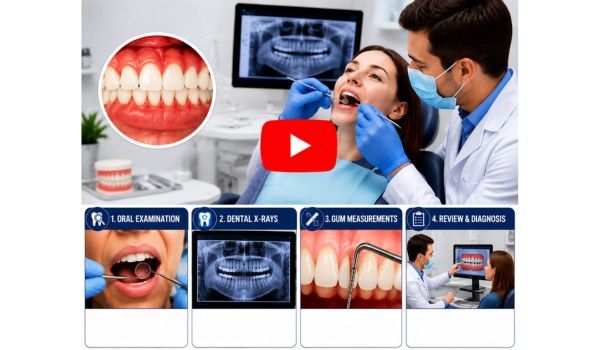
You should consider scheduling a dental appointment if you notice:
- Frequent gum bleeding
- Persistent bad breath
- Swollen gums
- Gum pain
- Tooth sensitivity
- Loose teeth
- Changes in your bite
A dental professional can evaluate your gum health, remove plaque buildup, and recommend appropriate care.
Early treatment can help prevent minor gum irritation from becoming a more serious condition.
Gingivitis vs Periodontitis: Understanding the Difference
| Gingivitis | Periodontitis |
| Early stage of gum disease | Advanced gum disease |
| Mainly affects gums | Affects gums and supporting structures |
| Usually reversible | Can cause permanent damage |
| Often caused by plaque buildup | Develops from untreated gum inflammation |
| Treated with improved hygiene and cleaning | May require more advanced dental treatment |
Understanding this difference highlights why addressing gingivitis early is important.
Final Thoughts
The answer to “Is gingivitis contagious?” is that gingivitis itself is not contagious. You cannot directly catch gum inflammation from another person. However, bacteria associated with gum disease can be exchanged through saliva and close contact.
Maintaining strong oral hygiene habits is the best way to protect your gums. Regular brushing, flossing, dental visits, and healthy lifestyle choices can help reduce plaque buildup and support long-term gum health.
If you experience bleeding gums, swelling, or persistent discomfort, consulting a dental professional can help identify the cause and prevent further complications.
References
https://www.mayoclinic.org/diseases-conditions/gingivitis/symptoms-causes/syc-20354453
https://www.healthline.com/health/dental-and-oral-health/is-gingivitis-contagious
https://pmc.ncbi.nlm.nih.gov/articles/PMC12517237/
.
About Us
