
Get Rid of Gingivitis at Home: Complete Gum Care Guide
Gingivitis is one of the most common gum problems that affects people of all ages. It occurs when plaque, bacteria, and food particles build up along the gumline, causing irritation and inflammation.
Many people notice symptoms such as red gums, swelling, tenderness, or bleeding while brushing and wonder how to get rid of gingivitis at home.
The good news is that early gingivitis can often be improved with consistent oral hygiene habits and proper daily care. Supporting gum health requires more than a quick solution.


A routine that removes plaque, protects the gums, and maintains a healthy mouth environment can help improve gum comfort and prevent the problem from becoming more serious.
What is Gingivitis?
Gingivitis is the earliest stage of gum disease. It happens when harmful bacteria in dental plaque irritate the tissues surrounding the teeth. Plaque is a sticky layer that naturally forms on teeth throughout the day.
When it is not removed properly through brushing and cleaning between teeth, it can build up and affect gum health.
Healthy gums usually appear firm and fit tightly around the teeth. When gingivitis develops, the gums may become inflamed and sensitive.
Some people may notice bleeding when brushing or flossing, while others may experience gum tenderness or bad breath.
Unlike advanced gum disease, early gingivitis does not usually involve permanent damage to the supporting structures of the teeth.
With better oral care habits, many people can support healthier gums and reduce irritation.
Common Signs of Gingivitis
Recognizing gingivitis early can help you take action before it progresses. Some common signs include:
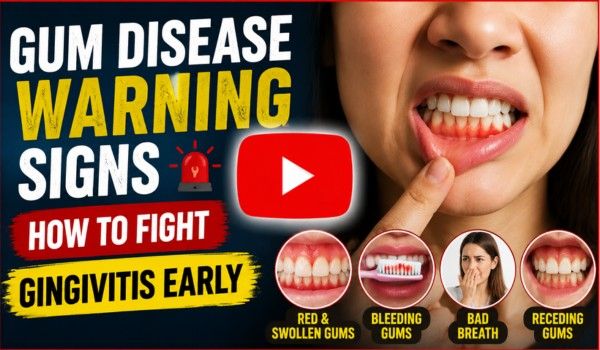
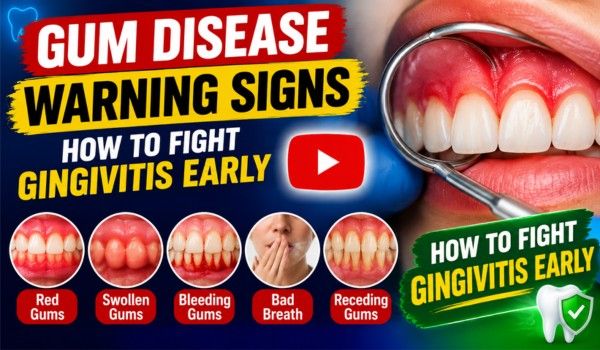
➢ Red or Swollen Gums
Healthy gums generally have a natural pink appearance. Gingivitis may cause gums to look red, swollen, or irritated because of inflammation.
➢ Bleeding While Brushing or Flossing
Bleeding gums are one of the most common warning signs. Even mild bleeding can indicate that the gums are irritated and need better care.
➢ Gum Sensitivity
Some people experience tenderness or discomfort when eating certain foods or touching the gum area.
➢ Persistent Bad Breath
Bacteria buildup around the teeth and gums can contribute to unpleasant breath.
➢ Gum Changes Around Teeth
The gums may appear slightly enlarged or feel different around certain teeth due to inflammation.
If these symptoms continue despite improving oral care, professional dental advice may be needed.
What Causes Gingivitis?
Several factors can contribute to gum inflammation. The most common cause is poor plaque control, but other habits and conditions may also affect gum health.
📌 Plaque Buildup
Plaque is the main cause of gingivitis. When bacteria-filled plaque remains on teeth, it can irritate the gums and trigger inflammation.
Brushing twice daily and cleaning between teeth helps remove plaque before it hardens into tartar.
📌 Inconsistent Oral Hygiene
Skipping brushing, avoiding flossing, or not cleaning difficult areas of the mouth can allow bacteria to accumulate.
Even people who brush regularly may miss areas between teeth where plaque often collects.
📌 Smoking and Tobacco Use
Tobacco products can negatively affect gum health by reducing the mouth’s ability to heal and increasing the risk of gum problems.
📌 Dietary Habits
Frequent consumption of sugary foods and drinks can encourage bacterial growth and increase plaque formation.
A balanced diet with nutrient-rich foods can support overall oral wellness.
📌 Hormonal Changes
Hormonal changes during certain life stages may make gums more sensitive and more likely to become irritated.
📌 Dry Mouth
Saliva helps naturally clean the mouth and control bacteria. Reduced saliva production can increase plaque buildup and discomfort.
How to Get Rid of Gingivitis at Home
Improving gingivitis at home starts with creating a consistent oral care routine. The goal is to reduce plaque, support gum health, and prevent further irritation.
1. Brush Your Teeth Properly
Brushing is one of the most important steps for improving gum health. However, technique matters.
Use a soft-bristle toothbrush and gently clean all surfaces of your teeth, including the gumline. Brushing too aggressively can irritate the gums and may contribute to sensitivity.
Aim to brush:
- Twice daily
- For about two minutes each time
- Using gentle circular motions
Pay attention to areas where the teeth meet the gums because plaque often collects there.
2. Clean Between Your Teeth Daily
A toothbrush cannot reach every area of the mouth. Food particles and plaque can remain between teeth, where gum irritation often begins.
Cleaning between teeth daily with floss or other approved cleaning tools can help remove buildup from hard-to-reach areas.
Regular interdental cleaning may help:
- Reduce plaque accumulation
- Support healthier gums
- Improve overall mouth cleanliness
The key is consistency. Occasional flossing may not provide the same benefits as making it part of your daily routine.
3. Use an Antimicrobial Mouth Rinse
A mouth rinse can be an additional step to support oral hygiene. Some rinses are designed to help reduce bacteria levels in the mouth.
However, mouthwash should not replace brushing and flossing. It works best as part of a complete routine.
Choose products according to your individual needs and follow the directions provided.
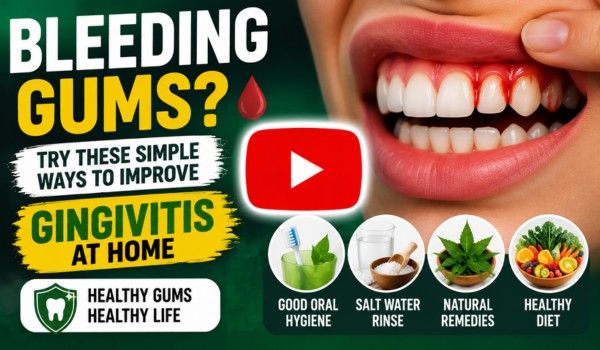
4. Rinse With Salt Water
A warm salt water rinse is a traditional home method many people use to support gum comfort.
Salt water may help create a cleaner mouth environment and soothe irritated gums. It can be used occasionally as part of a general oral care routine.
To prepare:
- Mix a small amount of salt with warm water
- Swish gently around the mouth
- Avoid swallowing the mixture
Using excessive salt or rinsing too frequently may cause discomfort, so moderation is important.
5. Stay Hydrated
Drinking enough water supports saliva production, which plays an important role in maintaining oral health.
Saliva helps:
- Wash away food particles
- Balance acids in the mouth
- Support natural protection against bacteria
People who experience dry mouth may need to pay extra attention to hydration and oral care habits.
Foods That Support Healthy Gums
Diet plays an important role in maintaining healthy teeth and gums. Choosing nutrient-rich foods can support the body’s natural ability to maintain oral tissues.
👉 Crunchy Fruits and Vegetables
Foods such as apples, carrots, and celery contain water and fiber that can help stimulate saliva production.
👉 Vitamin C Rich Foods
Vitamin C supports healthy connective tissues, including gum tissue. Foods such as oranges, strawberries, and vegetables can contribute to a balanced diet.
👉 Calcium-Rich Foods
Calcium supports strong teeth and overall oral structure. Dairy products and other calcium-containing foods can be included as part of a healthy eating pattern.
👉 Protein-Rich Foods
Protein provides important nutrients that support general body functions, including tissue maintenance.
A balanced diet combined with proper oral care can help maintain healthier gums.
Create a Daily Routine for Healthier Gums
Consistency is one of the most important factors when trying to improve gingivitis at home. Small daily habits can make a major difference in maintaining a cleaner mouth and supporting healthier gum tissue.
A simple gum care routine can include the following steps:
➤ Morning Oral Care
Start your day by brushing your teeth with a soft toothbrush. Clean all tooth surfaces carefully, especially near the gumline where plaque commonly develops.
After brushing, cleaning between the teeth can help remove remaining debris that a toothbrush cannot reach.
Drinking water after meals and throughout the day can also help maintain a cleaner oral environment.
➤ Evening Oral Care
Nighttime oral care is especially important because bacteria can continue building up while you sleep.
Before going to bed:
- Brush your teeth thoroughly
- Clean between your teeth
- Remove food particles
- Follow any recommended mouth care routine
A consistent evening routine helps reduce the amount of plaque left on teeth overnight.
Avoid Habits That Can Make Gingivitis Worse
While improving oral hygiene can support healthier gums, certain habits may continue irritating the gum tissue.
➢ Brushing Too Hard
Many people believe stronger brushing removes more plaque. However, aggressive brushing can irritate gums and may damage the protective surface of the teeth.
Gentle, controlled movements are usually more effective for daily cleaning.
➢ Skipping Flossing
Brushing alone does not clean every area of the mouth. Plaque between teeth can continue affecting gum health if it is not removed regularly.
Making interdental cleaning part of your daily routine can help support better results.
➢ Frequent Sugary Snacks
Eating sugary foods often throughout the day gives mouth bacteria more opportunities to produce acids that affect teeth and gums.
Try to limit frequent snacking and choose balanced meals when possible.
➢ Smoking or Tobacco Use
Tobacco use can affect gum health and may make it harder for the mouth to maintain healthy tissues.
Reducing or avoiding tobacco products can support better oral wellness.
➢ Ignoring Early Warning Signs
Bleeding gums, swelling, or ongoing discomfort should not be ignored. Early attention can help prevent minor gum irritation from becoming a more serious concern.
How Long Does It Take to Improve Gingivitis?
The time needed to improve gingivitis can vary depending on the severity of gum inflammation and how consistently you follow proper oral care habits.
Some people may notice improvements within a few weeks after improving their brushing and cleaning routine. Others may need more time, especially if there is significant plaque buildup.
Factors that can influence improvement include:
- Daily oral hygiene habits
- Amount of plaque buildup
- Diet and lifestyle choices
- Overall health
- Tobacco use
- Professional dental cleanings
The most important factor is maintaining consistent habits. Gum health usually improves gradually with regular care rather than overnight changes.
Can Gingivitis Go Away Without Treatment?
Mild gingivitis may improve when proper oral hygiene habits are followed consistently. Removing plaque regularly allows the gums to recover from irritation.
However, home care has limits. If plaque has hardened into tartar, it cannot usually be removed with regular brushing alone. A professional dental cleaning may be needed to remove hardened buildup.
It is also important to remember that persistent gum symptoms may require evaluation from a dental professional.
When Should You See a Dentist?
Home care can support early gum health concerns, but professional guidance is important in certain situations.
Consider scheduling a dental visit if you experience:
- Gum bleeding that continues regularly
- Severe gum swelling
- Pain or discomfort that does not improve
- Loose teeth
- Receding gums
- Persistent bad breath
- Signs of infection
A dentist can examine your gums, check for underlying problems, and recommend appropriate care based on your condition.
Regular dental checkups are also helpful because many oral health problems can develop before noticeable symptoms appear.
Natural Lifestyle Tips for Better Gum Health
Along with brushing and flossing, healthy lifestyle choices can support your overall oral wellness.
👉 Manage Stress
High stress levels may affect overall health and daily habits, including oral care routines.
Finding healthy ways to manage stress, such as exercise, relaxation practices, and proper sleep, can support general wellness.
👉 Get Enough Sleep
Quality sleep allows the body to maintain normal recovery processes. Poor sleep habits may affect overall health and daily routines.
Creating a regular sleep schedule can support healthier lifestyle choices.
👉 Maintain Regular Dental Visits
Even with excellent home care, professional dental checkups remain an important part of long-term gum health.
Dentists can identify early concerns and provide professional cleaning when needed.
Prevent Gingivitis From Returning
Once gum health improves, prevention becomes the next important step. Gingivitis can return if plaque buildup continues.
To help maintain healthier gums:
- Brush Consistently: Brush twice daily using proper technique and a suitable toothbrush.
- Clean Between Teeth: Make interdental cleaning a regular habit to remove hidden plaque.
- Choose a Balanced Diet: Limit excessive sugar intake and include nutrient-rich foods that support overall wellness.
- Drink Enough Water: Staying hydrated helps maintain saliva flow and mouth comfort.
- Replace Your Toothbrush Regularly: An old toothbrush may become less effective over time. Replacing it when needed helps maintain proper cleaning.
- Schedule Dental Checkups: Regular professional care helps identify problems early and supports long-term oral health.
Final Thoughts: Can You Get Rid of Gingivitis at Home?
Gingivitis is a common gum concern, but early signs can often be improved by building better oral care habits.
The foundation of healthier gums starts with removing plaque regularly, brushing correctly, cleaning between teeth, and maintaining healthy daily habits.
Home care methods such as saltwater rinses, staying hydrated, and eating a balanced diet may support gum comfort, but they should be combined with proper dental hygiene practices.
The most effective approach is consistency. Healthy gums require ongoing care, not just temporary changes.
By following a reliable oral care routine and paying attention to early warning signs, you can support better gum health and reduce the chances of future problems.
If gum symptoms continue or become more serious, professional dental advice is the best next step.
References
https://en.wikipedia.org/wiki/Gingivitis
https://www.healthline.com/health/gingivitis
https://www.webmd.com/oral-health/guide/gingivitis
About Us
