Gum pain is a common oral health issue that can happen for many reasons, including poor oral hygiene, gum irritation, lifestyle habits, or underlying dental problems.
If you have ever wondered, “Why do my gums hurt?”, understanding the possible causes can help you identify the right steps for better oral health.
Your gums protect your teeth and support your mouth’s structure. When they become irritated, swollen, or inflamed, you may experience soreness, sensitivity, bleeding, or discomfort while brushing and eating.
While some causes are temporary, ongoing gum pain may require proper dental attention.
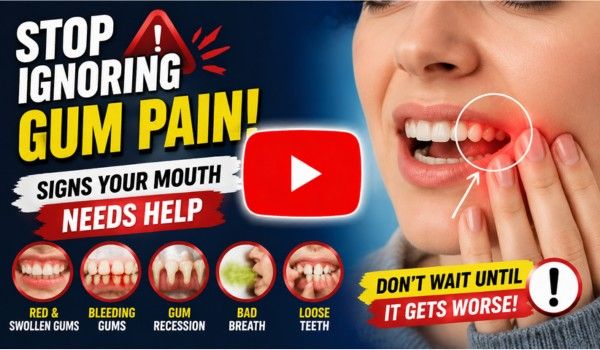

Understanding the common reasons behind gum pain can help you recognize symptoms early and take better steps toward maintaining healthier gums.
What Does Gum Pain Feel Like?
Gum pain does not feel the same for everyone. Some people experience mild sensitivity, while others may notice stronger discomfort that affects their daily routine.
Common signs of painful gums include:
- Tender or sore gum tissue
- Redness around the teeth
- Swollen gums
- Bleeding during brushing or flossing
- Pain while chewing
- Sensitivity near the gum line
- Burning or irritated sensations
- Gum tenderness when touched
- Persistent discomfort in one area
The location and severity of gum pain can provide clues about the possible cause. For example, pain around one tooth may indicate a localized issue, while general gum soreness may be related to inflammation or oral hygiene problems.
Paying attention to changes in your gums can help you identify problems before they become more serious.
Common Reasons Why Your Gums Hurt
1. Gum Disease
One of the most common answers to the question “Why do my gums hurt?” is gum disease.
Gum disease occurs when bacteria and plaque build up around the teeth and irritate the gum tissue. The earliest stage is called gingivitis, which can cause redness, swelling, tenderness, and bleeding.
When gum inflammation continues without proper care, it may progress into periodontitis. This advanced stage can affect the tissues and bone that support your teeth.
Common symptoms of gum disease include:
- Puffy or swollen gums
- Bleeding while brushing
- Persistent bad breath
- Gum sensitivity
- Gum recession
- Changes in how teeth fit together
Many people overlook early gum disease because discomfort may be mild at first. Regular brushing, flossing, and professional dental cleanings play an important role in protecting gum health.
2. Brushing Too Hard
Your brushing technique can have a major impact on your gums.
Many people believe that applying more pressure helps remove more plaque. However, brushing too aggressively can irritate delicate gum tissue and cause soreness.
Signs that you may be brushing too hard include:
- Pain after brushing
- Gum tenderness
- Increased tooth sensitivity
- Gum recession near certain teeth
Using a soft-bristle toothbrush and gentle movements can help clean your teeth effectively without causing unnecessary irritation.
Healthy brushing is about consistency and proper technique, not force.
3. Poor Oral Hygiene and Plaque Buildup
Plaque is a sticky layer of bacteria that naturally forms on teeth throughout the day. When plaque is not removed regularly, it can irritate the gums and contribute to inflammation.
Poor oral hygiene may lead to:
- Gum swelling
- Bleeding gums
- Bad breath
- Increased sensitivity
- Gum discomfort
Brushing twice daily, flossing regularly, and maintaining routine dental visits can help control plaque buildup.
Even small improvements in daily oral care can make a noticeable difference in gum comfort and overall dental health.
4. Food Stuck Between Teeth
Sometimes gum pain has a simple explanation: something is stuck between your teeth.
Small food particles can become trapped near the gum line and create pressure or irritation. Common examples include:
- Popcorn pieces
- Seeds
- Meat fibers
- Nuts
- Hard food particles
This type of discomfort is often felt in one specific location. You may notice pain when biting down or pressure between two teeth.
Gentle flossing can help remove trapped food. Avoid using sharp objects because they may damage the gums and increase irritation.
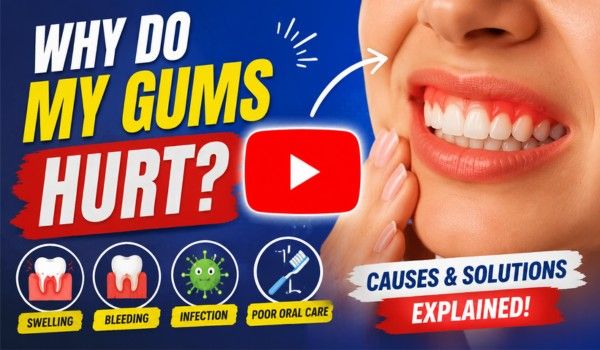
5. Tooth Decay or Dental Infection
A damaged or infected tooth can sometimes make the surrounding gums hurt.
When bacteria reach deeper areas of a tooth, an infection may develop. The pain may spread to nearby gum tissue and create swelling or tenderness.
Possible signs of a dental infection include:
- Pain around a specific tooth
- Gum swelling
- Sensitivity to hot or cold foods
- Pain when chewing
- Bad taste in the mouth
- Facial swelling
A dental infection usually requires professional evaluation. Treating the problem early may help prevent further damage to the tooth and surrounding tissues.
Why Do My Gums Hurt When I Brush?
Pain during brushing is one of the most common complaints related to gum discomfort.
Several factors can cause this issue.
📌 Inflamed Gum Tissue
When gums are irritated, even normal brushing pressure can feel uncomfortable. Inflamed gums may become sensitive and bleed easily.
This is often associated with plaque buildup or early gum inflammation.
📌 Incorrect Brushing Technique
Using a toothbrush with hard bristles or brushing with excessive pressure can wear down gum tissue over time.
A gentle circular brushing motion is usually recommended to clean teeth while protecting the gums.
📌 Gum Sensitivity
Some people naturally have more sensitive gums. Certain foods, dental products, or changes in oral care routines may increase sensitivity.
Switching to products designed for sensitive mouths may help reduce irritation.
Why Do My Gums Hurt Around One Tooth?
When gum pain occurs around a single tooth, it may point to a specific dental issue.
Possible causes include:
- Food Trapped Near the Tooth: A small piece of food stuck between teeth can irritate nearby gums and create localized pain.
- Gum Infection: A bacterial infection near one tooth can cause swelling, tenderness, and discomfort.
- Tooth Damage: A cracked or damaged tooth may create pain that feels like it is coming from the gums.
- Dental Abscess: An abscess is a pocket of infection that can develop around a tooth or gum area. It may cause intense pain, swelling, and sensitivity.
If pain around one tooth continues or becomes worse, professional dental evaluation is important.
Can Stress Cause Gum Pain?
Stress can influence many areas of your health, including your oral health.
During periods of high stress, some people may experience changes that affect their gums, such as:
- Teeth grinding
- Jaw clenching
- Changes in oral hygiene habits
- Increased inflammation response
Grinding or clenching teeth can put extra pressure on teeth and surrounding tissues. This pressure may contribute to soreness around the gums and jaw.
Managing stress through healthy habits, relaxation techniques, and proper dental care may support better oral comfort.
Foods and Habits That May Irritate Your Gums
Certain foods and daily habits can contribute to gum irritation.
Common triggers include:
- Very spicy foods
- Acidic foods and drinks
- Excessive sugary foods
- Tobacco use
- Poor hydration
- Irregular brushing habits
Sugary foods can encourage bacterial growth in the mouth, while acidic foods may affect tooth enamel and increase sensitivity.
Gum Pain During Pregnancy
Pregnancy can bring many changes throughout the body, including changes in oral health. Some people experience gum tenderness, swelling, or bleeding during pregnancy due to hormonal changes that can affect how the gums respond to bacteria.
Pregnancy-related gum sensitivity is often known as pregnancy gingivitis. It may cause:
- Swollen gums
- Redness
- Bleeding while brushing
- Increased gum sensitivity
- Tender areas around the teeth
Maintaining good oral hygiene during pregnancy is important because plaque buildup can increase gum irritation. Gentle brushing, regular flossing, and routine dental visits can help support healthier gums.
If gum pain becomes severe, causes significant swelling, or is accompanied by other symptoms, speaking with a dental professional is recommended.
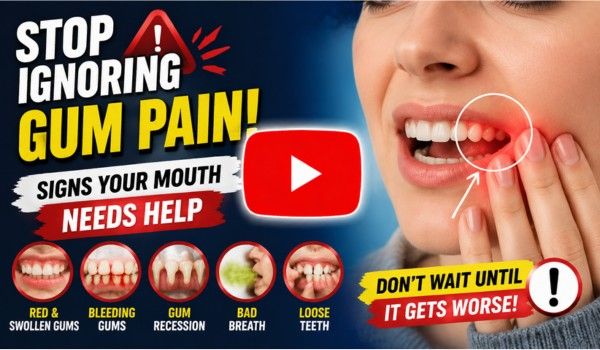
Why Are My Gums Swollen and Painful?
Swollen gums are one of the most noticeable signs that something may be affecting your oral health.
Several conditions can cause gum swelling, including:
➢ Plaque and Bacteria Buildup
When plaque remains on teeth for too long, bacteria can irritate the gum tissue. This irritation may cause swelling, redness, and discomfort.
➢ Gum Infection
An infection near the gum line can cause localized swelling and pain. Sometimes a small bump or sensitive area may appear near an affected tooth.
➢ Irritation From Dental Products
Some people may experience gum sensitivity after changing toothpaste, mouthwash, or other oral care products.
➢ Injury or Trauma
Accidental biting, sharp foods, or dental appliances can irritate gum tissue and create temporary swelling.
The cause of swollen gums can vary, so paying attention to additional symptoms can help determine the next step.
Why Do My Gums Hurt and Bleed?
Bleeding gums are often a sign that the gum tissue is irritated or inflamed.
Many people assume occasional bleeding is normal, but healthy gums generally should not bleed regularly during brushing or flossing.
Common reasons for bleeding gums include:
- Plaque buildup
- Gingivitis
- Inconsistent flossing
- Brushing too aggressively
- Certain health conditions
- Hormonal changes
If your gums bleed frequently, it may be a sign that your gums need additional care.
Improving daily oral hygiene habits can often help reduce mild gum irritation. However, ongoing bleeding should be evaluated to identify the underlying cause.
Natural Ways to Support Healthier Gums
While professional dental care is important for serious gum problems, several daily habits can help maintain healthier gums and reduce irritation.
❖ Maintain Consistent Oral Hygiene
The foundation of gum health starts with daily care.
Important habits include:
- Brushing twice daily
- Cleaning between teeth with floss
- Replacing toothbrushes regularly
- Cleaning the tongue
- Visiting a dentist for routine checkups
Removing plaque regularly helps prevent bacteria from irritating the gum tissue.
❖ Use a Gentle Brushing Technique
Brushing harder does not mean brushing better.
A gentle approach helps protect the gums while still cleaning the teeth effectively.
Helpful brushing habits include:
- Using a soft toothbrush
- Applying light pressure
- Reaching all tooth surfaces
- Taking enough time while brushing
Protecting the gums during daily brushing can reduce unnecessary soreness.
❖ Drink Enough Water
Hydration supports saliva production, which plays an important role in maintaining a healthy mouth.
Saliva helps wash away food particles and supports the natural balance of bacteria in the mouth.
Drinking water regularly may help reduce dryness and support overall oral comfort.
❖ Choose Foods That Support Oral Health
Diet can influence gum health.
Foods that support overall oral wellness include:
- Fresh fruits
- Vegetables
- Protein-rich foods
- Calcium-containing foods
- Fiber-rich foods
Crunchy vegetables may also help stimulate saliva production while providing important nutrients.
Limiting frequent sugary snacks can help reduce the amount of bacteria that contribute to plaque formation.
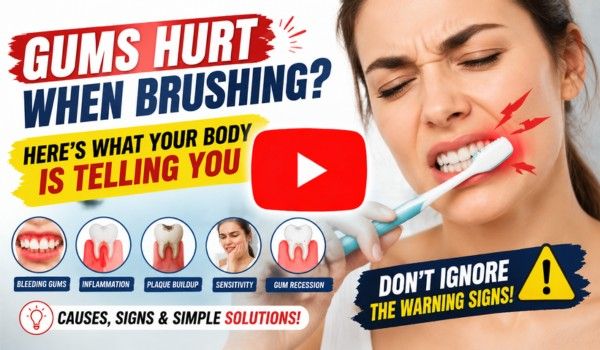
When Should You See a Dentist for Gum Pain?
Mild gum irritation may improve with better oral care, but some symptoms should not be ignored.
You should consider professional dental care if you experience:
- Gum pain lasting more than several days
- Severe swelling
- Frequent bleeding
- Pus near the gums
- Loose teeth
- Persistent bad breath
- Pain while chewing
- Facial swelling
- Fever with gum discomfort
These symptoms may indicate a more serious dental issue that requires treatment.
Early evaluation can help identify problems before they become more complicated.
How Dentists Treat Painful Gums
Treatment for gum pain depends on the cause.
A dentist may recommend different approaches based on your symptoms and oral health condition.
Possible treatments include:
👉 Professional Cleaning
A deep dental cleaning can remove plaque and hardened buildup that regular brushing cannot eliminate.
This may help reduce gum inflammation caused by bacteria.
👉 Treatment for Gum Disease
If gum disease is present, treatment may focus on controlling infection and protecting the tissues supporting the teeth.
👉 Treating Tooth Problems
If gum pain is connected to cavities, infections, or damaged teeth, addressing the tooth problem may relieve surrounding gum discomfort.
👉 Personalized Oral Care Guidance
A dental professional can also recommend brushing techniques, products, and habits that match your specific needs.
How to Prevent Gum Pain in the Future
Preventing gum pain starts with simple daily habits.
Here are important steps to protect your gums:
⤷ Brush Regularly
Brush your teeth twice a day using a soft-bristle toothbrush.
Consistent brushing helps remove plaque and keeps bacteria under control.
⤷ Floss Daily
Flossing cleans areas between teeth where a toothbrush cannot reach.
This helps prevent food buildup and gum irritation.
⤷ Avoid Tobacco Products
Tobacco use can negatively affect gum health and increase the risk of oral problems.
Avoiding tobacco supports healthier gums and overall wellness.
⤷ Schedule Dental Checkups
Regular dental visits allow professionals to identify early signs of gum problems.
Preventive care is often easier and more effective than treating advanced issues.
⤷ Pay Attention to Changes
Do not ignore changes such as:
- New gum sensitivity
- Bleeding
- Swelling
- Persistent discomfort
Recognizing symptoms early can help protect your long-term oral health.
Final Thoughts: Why Do My Gums Hurt?
If you are asking, “Why do my gums hurt?”, the answer may range from simple irritation to more serious oral health concerns.
Common causes include gum disease, aggressive brushing, plaque buildup, trapped food, infections, injuries, and sensitivity. Understanding these possible causes can help you identify what may be affecting your gums.
Healthy gums require consistent care. Gentle brushing, regular flossing, balanced nutrition, and routine dental checkups are important steps for maintaining strong oral health.
Occasional gum discomfort may improve with better daily habits, but ongoing pain, swelling, or bleeding should not be ignored. Getting professional guidance when needed can help prevent future complications and keep your smile healthier.
References
https://en.wikipedia.org/wiki/Gingivitis
https://www.healthline.com/health/swollen-gums
https://www.webmd.com/oral-health/guide/gingivitis
About Us