
Introduction
The prostate is an important part of the male reproductive system, and maintaining its health becomes increasingly important as men age.
While genetics, age, and lifestyle factors all influence prostate wellness, diet can also play a meaningful role. Certain foods may contribute to inflammation, oxidative stress, weight gain, or hormonal changes that can negatively affect overall prostate function.
Many men focus on supplements, medications, or treatments for prostate concerns but overlook one of the simplest areas they can improve:
daily food choices. A diet high in processed foods, unhealthy fats, and excessive sugar may not provide the nutrients needed to support normal prostate health.
This article explores the 10 worst foods for prostate health, explains why they may be problematic, and highlights healthier alternatives to support a balanced lifestyle. Understanding which foods to limit can help men make informed choices and create a prostate-friendly eating pattern.
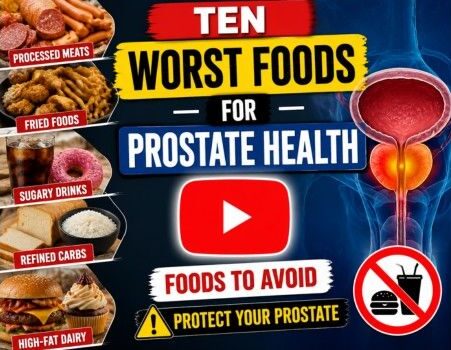

The ten worst foods for prostate health include processed meats, fried foods, sugary drinks, and refined carbs that may affect overall wellness.
Important note: Food choices alone cannot diagnose, treat, cure, or prevent prostate conditions. However, a balanced diet combined with regular exercise and routine healthcare visits can support overall wellness.
Understanding Prostate Health and Nutrition
The prostate is a small gland located below the bladder that plays a role in producing fluid that supports sperm function. As men get older, changes in prostate size and function can become more common.
Research suggests that lifestyle factors, including diet, physical activity, body weight, and inflammation levels, may influence prostate wellness.
Foods rich in antioxidants, vitamins, minerals, and healthy fats may help support normal cellular function, while highly processed foods may increase factors associated with poor health outcomes.
❖ A prostate-supportive diet generally emphasizes:
- Fruits and vegetables
- High-fiber foods
- Lean proteins
- Healthy fats
- Whole grains
- Adequate hydration
At the same time, certain foods are often recommended to limit because they may contribute to inflammation, metabolic problems, or other health concerns.
Ten Worst Foods for Prostate Health
1. Processed Meats
❖ Processed meats are among the foods most commonly associated with long-term health concerns. Examples include:
- Bacon
- Sausages
- Hot dogs
- Deli meats
- Cured meats
These foods often contain high levels of sodium, preservatives, and saturated fats. Some processed meats also contain compounds created during processing or cooking that may contribute to oxidative stress in the body.
A diet regularly high in processed meats may also increase the risk of weight gain and metabolic issues, which are factors connected with overall prostate wellness.
🔷 Healthier Alternatives
❖ Instead of processed meats, consider:
- Fresh fish
- Skinless poultry
- Beans and lentils
- Eggs
- Plant-based protein sources
Choosing less processed protein options can help create a more balanced diet.
2. Red Meat (Especially High-Fat Cuts)
Red meat can provide valuable nutrients such as protein, iron, and zinc. However, regularly consuming large amounts of fatty red meat may not be ideal for prostate health.
❖ Examples include:
- Fatty steaks
- Beef burgers
- Large portions of beef
- High-fat grilled meats
High intake of saturated fat may contribute to inflammation and cardiovascular concerns. Since prostate health is connected with overall metabolic health, limiting excessive saturated fat intake may be beneficial.
🔷 Healthier Alternatives
❖ Consider replacing some red meat meals with:
- Salmon
- Tuna
- Chicken breast
- Turkey
- Plant-based proteins
If eating red meat, choosing lean cuts and moderate portions may be a better approach.
3. Fried Foods
❖ Examples include:
- French fries
- Fried chicken
- Fried snacks
- Deep-fried fast foods
Frying often increases the amount of unhealthy fats and calories in foods. Regular consumption may contribute to inflammation, weight gain, and poor metabolic health.
Excess body weight has been associated with increased health concerns, including prostate-related issues.
🔷 Healthier Alternatives
❖ Try:
- Baked foods
- Grilled foods
- Air-fried options
- Roasted vegetables
Cooking methods matter just as much as food choices.
4. High-Sugar Foods and Desserts
High-sugar foods and desserts may contribute to weight gain, blood sugar imbalance, and increased inflammation when consumed regularly. Limiting foods such as candy, cakes, cookies, and other sugary treats can support overall metabolic health and a prostate-friendly lifestyle.
❖ Common high-sugar foods include:
- Candy
- Cakes
- Cookies
- Sweetened desserts
- Sugary snacks
A diet high in added sugars may contribute to insulin resistance and inflammation. Maintaining healthy blood sugar levels is important because metabolic health plays a role in overall wellness.
🔷 Healthier Alternatives
❖ Replace sugary snacks with:
- Fresh berries
- Apples
- Greek yogurt
- Nuts
- Dark chocolate in moderation
Natural sources of sweetness can provide nutrients along with flavor.

5. Sugary Beverages
Sugary beverages contain high amounts of added sugar and provide little nutritional value, which may contribute to weight gain, blood sugar imbalance, and inflammation. Regular consumption of soft drinks, sweetened juices, and energy drinks may negatively affect overall health and should be limited for better prostate wellness.
❖ Examples include:
- Soft drinks
- Energy drinks
- Sweetened juices
- Flavored coffee drinks
These beverages can add significant calories without providing important nutrients. Frequent consumption may contribute to weight gain and blood sugar problems.
Maintaining a healthy body weight is an important part of supporting prostate wellness.
🔷 Healthier Alternatives
❖ Better drink choices include:
- Water
- Herbal tea
- Unsweetened green tea
- Sparkling water
- Water with fresh fruit
Staying hydrated is essential for overall urinary system health.
6. Excessive Dairy Products
Excessive consumption of high-fat dairy products may increase saturated fat intake, which can contribute to inflammation and affect overall metabolic health. Limiting large amounts of full-fat dairy while choosing healthier options may support a balanced, prostate-friendly diet.
❖ Examples include:
- Full-fat milk
- Heavy cream
- Large amounts of cheese
- High-fat dairy desserts
High intake of saturated fats from dairy products may contribute to inflammation and cardiovascular concerns. This does not mean all dairy products must be avoided. Moderation and choosing healthier options are important.
🔷 Healthier Alternatives
❖ Consider:
- Low-fat dairy products
- Unsweetened yogurt
- Plant-based milk alternatives
- Reduced-fat cheese
A balanced approach is usually better than completely eliminating food groups.
7. Alcohol
Excessive alcohol consumption may affect hormone balance, increase inflammation, and negatively impact overall health when consumed regularly. Limiting alcohol intake can support better lifestyle habits and contribute to overall prostate wellness.
❖ Common alcoholic beverages include:
- Beer
- Wine
- Spirits
- Cocktails
For men concerned about prostate wellness, moderation is important.
🔷 Healthier Alternatives
❖ Try:
- Water with lemon
- Herbal beverages
- Unsweetened tea
- Non-alcoholic options
If consuming alcohol, following recommended limits is important.
8. Refined Carbohydrates
❖ Examples include:
- White bread
- Regular pasta
- Many packaged snacks
- Refined baked goods
These foods can cause rapid increases in blood sugar and may contribute to weight gain when consumed frequently. Fiber is an important part of a healthy diet because it supports digestion and metabolic health.
🔷 Healthier Alternatives
❖ Choose:
- Whole-grain bread
- Brown rice
- Oats
- Quinoa
- Whole-grain pasta
Whole foods generally provide more nutritional value.
9. Excessive Salt and High-Sodium Foods
Foods high in sodium, such as processed snacks, canned foods, and packaged meals, may contribute to poor dietary patterns and affect overall health when consumed excessively. Reducing salt intake and choosing fresh, nutrient-rich foods can support better wellness and a balanced prostate-friendly diet.
❖ High-sodium foods include:
- Canned processed foods
- Chips
- Instant noodles
- Packaged meals
- Salty snacks
While sodium does not directly cause prostate problems, excessive intake may contribute to unhealthy dietary patterns.
🔷 Healthier Alternatives
❖ Choose:
- Fresh foods
- Homemade meals
- Herbs and spices for flavor
- Low-sodium options
Reducing processed foods naturally lowers sodium intake.
10. Fast Food
Fast foods are often high in unhealthy fats, sodium, calories, and added sugars while being low in essential nutrients and fiber. Regular consumption may contribute to weight gain and inflammation, making it important to limit fast food choices for better overall prostate wellness.
- High saturated fat
- Excess calories
- Added sugars
- High sodium
- Low fiber
❖ Examples include:
- Burgers
- Fried meals
- Pizza
- Processed snacks
Regular fast-food consumption may contribute to obesity and inflammation, which can affect overall health.
🔷 Healthier Alternatives
❖ Try preparing:
- Homemade meals
- Vegetable-based dishes
- Lean protein meals
- Fresh salads
- Whole-food snacks
Small improvements over time can make a meaningful difference.

Best Foods to Support Prostate Health
While avoiding certain foods can help improve dietary quality, adding nutrient-rich foods is equally important.
🔷 Tomatoes
Cruciferous Vegetables
❖ Examples include:
- Broccoli
- Cauliflower
- Brussels sprouts
- Kale
These vegetables contain plant compounds that support normal antioxidant activity.
🔷 Fatty Fish
Fatty fish such as salmon, sardines, and tuna provide omega-3 fatty acids that support healthy inflammation balance and overall cellular health. Including fish in a balanced diet may support heart health and overall prostate wellness.
🔷 Nuts and Seeds
Nuts and seeds, including walnuts, almonds, and pumpkin seeds, provide healthy fats, minerals, and antioxidants that support overall health. Adding these nutrient-rich foods to the diet may help promote a balanced approach to prostate wellness.
❖ Nuts and seeds provide:
- Healthy fats
- Minerals
- Plant-based nutrients
❖ Examples:
- Walnuts
- Almonds
- Pumpkin seeds
🔷 Green Tea
Green tea contains natural polyphenols and antioxidants that may help support the body’s natural defense against oxidative stress. Including unsweetened green tea as part of a balanced lifestyle may contribute to overall health and wellness.
🔷 Maintain a Healthy Weight
Maintaining a healthy weight may help reduce inflammation and support balanced hormone levels that are important for overall wellness. A nutritious diet and regular physical activity can help support healthy body composition.
🔷 Exercise Regularly
Regular physical activity supports healthy circulation, metabolism, and overall body function. Staying active may also help maintain a healthy weight and promote better quality of life.
🔷 Stay Hydrated
Drinking enough water supports normal urinary function and overall hydration. Proper fluid intake is an important part of maintaining general health and wellness.
🔷 Get Regular Medical Checkups
Routine medical checkups allow men to discuss prostate concerns, monitor health changes, and receive appropriate guidance from healthcare professionals. Regular screenings can help identify potential issues early.
🔷 Manage Stress
Chronic stress may affect sleep quality, hormone balance, and overall well-being when not properly managed. Practicing stress-management techniques can support a healthier lifestyle and better daily wellness.
Foods to Limit vs Foods to Choose
| Limit These Foods | Choose These Foods |
|---|---|
| Processed meats | Fresh fish and lean proteins |
| Fried foods | Grilled or baked meals |
| Sugary drinks | Water and herbal tea |
| Refined grains | Whole grains |
| Fast food | Homemade meals |
| Excess alcohol | Hydrating beverages |
| High-fat dairy | Low-fat options |
| Packaged snacks | Fruits and nuts |
Frequently Asked Questions
What are the ten worst foods for prostate health?
Commonly recommended foods to limit include processed meats, excessive red meat, fried foods, sugary foods, sugary drinks, high-fat dairy, alcohol, refined carbohydrates, high-sodium foods, and fast food.
Can food choices improve prostate health?
A healthy diet cannot treat prostate conditions, but nutritious food choices may support overall wellness, healthy inflammation levels, and better metabolic health.
Are tomatoes good for prostate health?
Tomatoes contain lycopene, a powerful antioxidant that has been researched for its potential role in supporting prostate wellness. Adding tomatoes or cooked tomato products to a balanced diet may help provide beneficial nutrients.
Should men completely avoid dairy products?
Men do not necessarily need to eliminate dairy products completely, as moderate amounts can be part of a balanced diet. Choosing low-fat or healthier dairy options may help reduce excessive saturated fat intake.
Does sugar affect prostate health?
High sugar intake may contribute to weight gain, blood sugar imbalance, and metabolic concerns that can affect overall wellness. Limiting added sugars may support a healthier lifestyle and balanced nutrition.
Can exercise help support prostate wellness?
Regular exercise may support healthy circulation, weight management, and overall body function. Staying physically active is an important part of maintaining general health and wellness.
Conclusion
Maintaining prostate wellness involves more than focusing on one food or nutrient; it requires a balanced approach that includes healthy eating habits, regular exercise, proper hydration, and routine medical care.
Limiting foods such as processed meats, fried foods, sugary beverages, refined carbohydrates, and excessively high-fat foods may help support overall health.
At the same time, adding nutrient-rich options such as tomatoes, cruciferous vegetables, fatty fish, nuts, seeds, and green tea can provide important antioxidants and other beneficial nutrients.
While diet alone cannot prevent or treat prostate conditions, making smarter food choices can contribute to long-term wellness and a healthier lifestyle.
By understanding the ten worst foods for prostate health and choosing better alternatives, men can take positive steps toward supporting their overall prostate and body health.
References
https://en.wikipedia.org/wiki/Prostate
https://www.webmd.com/prostate
https://www.healthline.com/health/prostate-health
https://www.mayoclinic.org/healthy-lifestyle/sexual-health/in-depth/prostate-problems/art-20044902
About Us
