Memory is one of the brain’s most important functions, helping us learn, store information, recall experiences, and manage daily activities.
While factors like age, genetics, sleep, stress, and lifestyle affect memory, diet also plays an important role in supporting healthy brain function.
The foods you eat provide essential nutrients that influence overall brain health. However, frequent consumption of foods high in sugar, unhealthy fats, and refined ingredients may not provide the support your brain needs.
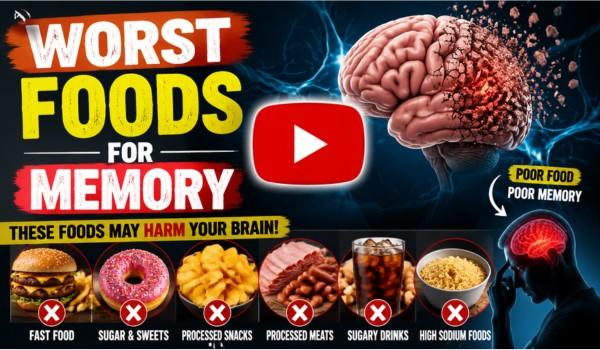

A brain-supportive diet focuses on whole foods such as vegetables, fruits, lean proteins, whole grains, nuts, seeds, and healthy fats. At the same time, limiting highly processed foods may help support long-term cognitive wellness.
How Food Choices Can Affect Memory
The brain requires a constant supply of energy and nutrients to perform daily functions. Although the brain represents only a small percentage of total body weight, it uses a significant amount of the body’s energy.
Nutrition affects several important processes related to brain health, including:
- Energy production
- Blood circulation
- Inflammation balance
- Communication between brain cells
- Overall metabolic health
When the diet contains too many foods with limited nutritional value, the body may not receive enough nutrients needed to support normal brain activity.
For example, foods high in added sugar can cause rapid changes in blood glucose levels. These fluctuations may affect energy levels, focus, and mental clarity.
Over time, diets consistently high in sugar and processed foods may contribute to health issues associated with cognitive decline.
The brain also depends on healthy blood vessels to deliver oxygen and nutrients. Foods that negatively affect cardiovascular health may also influence brain wellness because circulation plays an important role in supporting normal brain function.
Research continues to explore the connection between diet and memory.
Current evidence suggests that overall eating patterns are more important than any single food.
A balanced lifestyle that includes nutritious foods, physical activity, quality sleep, and stress management may provide better support for brain health.
1. Sugary Foods and Drinks
Foods and beverages high in added sugar are among the most common dietary choices that may affect memory health.
Many popular foods contain high amounts of added sugar, including:
- Soft drinks
- Sweetened coffee drinks
- Candy
- Cookies
- Cakes
- Sweet breakfast cereals
- Packaged desserts
Sugar provides quick energy, but consuming excessive amounts regularly may create repeated spikes and drops in blood sugar levels.
The brain uses glucose as a primary energy source. However, maintaining balanced blood sugar levels is important for overall wellness.
Frequent consumption of high-sugar foods may affect metabolic health, which is closely connected with brain function.
Another concern is that sugary foods often replace more nutritious choices. For example, choosing candy or sweet snacks regularly may reduce the intake of foods that provide important nutrients for the brain.
Instead of relying heavily on sugary foods, consider adding healthier options such as:
- Fresh fruits
- Nuts
- Seeds
- Greek yogurt
- Vegetables
- Whole-food snacks
These choices provide important nutrients while helping create a more balanced diet.
2. Refined Carbohydrates
Refined carbohydrates are another food category that may not support memory health when consumed frequently.
During processing, many refined carbohydrates lose important parts of the original grain, including fiber and some nutrients. This can make them easier for the body to digest quickly.
Common refined carbohydrate foods include:
- White bread
- White rice
- Pastries
- Crackers
- Packaged baked goods
- Some breakfast cereals
Because these foods are digested quickly, they may cause more rapid changes in blood sugar levels than fiber-rich carbohydrate sources.
A diet that regularly contains large amounts of refined carbohydrates may also provide fewer nutrients that support overall wellness.
Better carbohydrate choices include:
- Oats
- Brown rice
- Quinoa
- Beans
- Lentils
- Vegetables
- Whole-grain foods
These options contain more fiber and nutrients that support a balanced eating pattern.
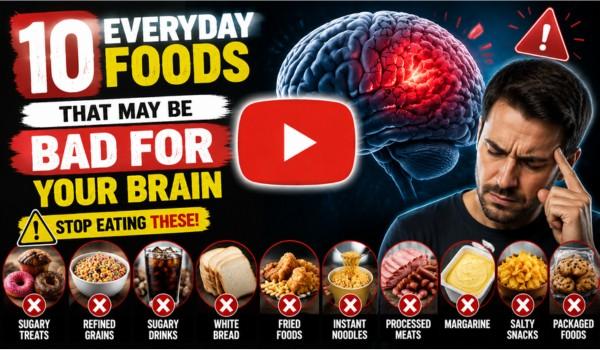
3. Fried Foods
Fried foods are popular because they are convenient, flavorful, and widely available. However, eating large amounts of fried foods regularly may not support long-term brain health.
Common fried foods include:
- French fries
- Fried chicken
- Fried snacks
- Fast-food meals
- Deep-fried appetizers
Many fried foods contain high amounts of calories, unhealthy fats, and excess sodium. A diet high in these foods may contribute to health concerns related to inflammation and cardiovascular function.
Healthy circulation is important for the brain because it helps deliver oxygen and nutrients. Maintaining heart health is therefore an important part of supporting cognitive wellness.
Another issue with frequent fried food consumption is that it can reduce the amount of nutrient-rich foods in the diet.
Replacing some fried foods with healthier cooking methods may be beneficial.
Examples include:
- Baking
- Roasting
- Steaming
- Grilling
- Air frying
These methods can help create meals with better nutritional balance.
4. Processed Meats
Processed meats are widely consumed because they are convenient and easy to store. However, eating them frequently may not provide the nutritional quality needed for overall brain wellness.
Processed meats include foods that have been preserved through methods such as curing, smoking, or adding preservatives.
Examples include:
- Bacon
- Sausages
- Hot dogs
- Deli meats
- Packaged meat products
Many processed meats contain high levels of sodium and unhealthy fats. Diets that are high in these foods may contribute to health concerns that can indirectly affect brain function.
Since the brain depends on healthy circulation and nutrient delivery, maintaining overall cardiovascular health is important.
Processed meats may also replace healthier protein choices in the diet.
Better protein options include:
- Fish
- Eggs
- Chicken
- Beans
- Lentils
- Nuts and seeds
Making small changes, such as replacing processed meats with fresh protein sources, can improve overall dietary quality.
5. Ultra-Processed Snacks
Ultra-processed snacks are common in many households because they are easy to access and require little preparation. However, many of these foods contain limited nutritional value.
Examples include:
- Potato chips
- Packaged cookies
- Snack cakes
- Candy bars
- Instant snack foods
- Processed desserts
These foods often contain combinations of:
- Added sugars
- Refined ingredients
- Excess sodium
- Unhealthy fats
- Artificial additives
Eating these foods occasionally may not be a concern, but making them a regular part of your diet may reduce your intake of foods that support brain health.
The brain benefits from nutrients found in whole foods, including vitamins, minerals, antioxidants, and healthy fats.
Healthier snack choices may include:
- Fresh fruit
- Nuts
- Yogurt
- Vegetables
- Homemade snacks
- Whole-grain options
Choosing better snacks throughout the day can be a simple way to improve overall nutrition and support memory health.
6. Foods High in Sodium
Salt is an important mineral that the body needs, but consuming too much sodium regularly may not support overall health.
Many packaged and processed foods contain high amounts of sodium, including:
- Instant noodles
- Canned soups
- Frozen meals
- Salty snacks
- Fast foods
- Processed sauces
- Packaged meals
A diet high in sodium may contribute to concerns related to blood pressure and cardiovascular health. Since the brain depends on healthy blood circulation, maintaining proper blood flow is important for supporting normal brain function.
Many people consume excess sodium without realizing it because it is hidden in packaged foods. Eating these foods frequently may also reduce the amount of fresh, nutrient-rich foods in the diet.
Instead of relying heavily on processed high-sodium foods, consider choosing:
- Fresh vegetables
- Homemade meals
- Unsalted nuts
- Fresh protein sources
- Low-sodium alternatives
Using herbs, spices, garlic, and natural seasonings can also add flavor without depending on excessive salt.
A balanced approach to sodium intake can help support overall wellness and create healthier eating habits.

7. Artificially Sweetened Foods and Drinks
Artificial sweeteners are often used in products marketed as low-calorie or sugar-free alternatives.
These products may seem like healthier options, but frequent consumption of highly processed artificially sweetened foods may not always support a healthy diet.
Common examples include:
- Diet sodas
- Sugar-free beverages
- Low-calorie desserts
- Artificially sweetened snacks
Research continues to examine the relationship between artificial sweeteners, metabolism, and overall health.
One concern is that replacing regular sugary foods with highly processed alternatives may not improve the overall quality of the diet. Some people may also continue to have strong cravings for sweet foods.
A better approach is focusing on naturally nutritious options.
Examples include:
- Water
- Herbal tea
- Fresh fruits
- Unsweetened drinks
- Whole-food snacks
Choosing foods closer to their natural form can help provide more beneficial nutrients for the body and brain.
8. Excessive Alcohol Consumption
Alcohol can affect the brain in different ways depending on the amount consumed and individual health factors.
Occasional alcohol consumption may not have the same effects as heavy or frequent drinking. However, excessive alcohol intake has been associated with concerns related to memory, concentration, and brain function.
Alcohol may influence the brain by affecting:
- Communication between brain cells
- Sleep quality
- Mood
- Nutrient absorption
- Overall health habits
Poor sleep and nutritional deficiencies can also affect memory and mental performance.
People who consume alcohol should consider moderation and understand how it fits into their overall lifestyle.
Supporting brain health involves more than just avoiding certain foods. Healthy habits such as quality sleep, regular movement, and balanced nutrition also play important roles.
9. Fast Food Meals
Fast food is convenient, affordable, and widely available. However, many fast-food meals contain high amounts of calories, sodium, unhealthy fats, and refined carbohydrates.
Common fast-food choices include:
- Burgers
- Fried chicken
- French fries
- Processed sandwiches
- Sugary beverages
- Fast-food desserts
Eating fast food occasionally may fit into a balanced lifestyle. The concern comes when fast-food meals become a regular replacement for healthier options.
Many fast-food meals are lower in nutrients that support overall wellness, including:
- Fiber
- Vitamins
- Minerals
- Antioxidants
Preparing meals at home allows more control over ingredients and portion sizes.
Simple brain-supportive meals can include:
- Vegetables
- Lean proteins
- Whole grains
- Healthy fats
- Fresh fruits
Small improvements in daily food choices can make a meaningful difference over time.
10. Foods With Unhealthy Fats
Fats are an important part of a healthy diet, but the type of fat matters.
Some processed foods may contain unhealthy fats that can negatively affect overall health when consumed regularly.
Foods that may contain unhealthy fats include:
- Certain packaged baked goods
- Processed snacks
- Some fried foods
- Foods made with shortening
High intake of unhealthy fats may affect cardiovascular health. Since brain health is closely connected with circulation, maintaining a healthy heart is an important part of supporting memory.
Not all fats should be avoided. The body needs healthy fats for many normal functions.
Better sources of healthy fats include:
- Olive oil
- Avocados
- Walnuts
- Chia seeds
- Flaxseeds
- Fatty fish
Replacing unhealthy fats with healthier options can improve overall diet quality.
Foods That May Support Memory and Brain Health
Understanding the worst foods for memory is helpful, but knowing what foods support brain health is equally important.
A balanced diet rich in whole foods can provide nutrients that support normal brain function.
📌 Fatty Fish
Fatty fish are often included in brain-supportive diets because they contain omega-3 fatty acids.
Examples include:
- Salmon
- Sardines
- Trout
- Mackerel
Omega-3 fats are important parts of brain cell structures and are involved in many normal body processes.
Adding fish to meals regularly can be a healthy choice as part of a balanced diet.

📌 Leafy Green Vegetables
Leafy greens provide important vitamins, minerals, and plant nutrients.
Examples include:
- Spinach
- Kale
- Collard greens
- Other dark green vegetables
These foods are naturally rich in nutrients that support overall health and may contribute to healthy aging.
Adding vegetables to daily meals is one of the simplest ways to improve dietary quality.
📌 Berries and Colorful Fruits
Fruits contain natural plant nutrients and antioxidants.
Memory-supportive fruit choices may include:
- Blueberries
- Strawberries
- Blackberries
- Raspberries
- Oranges
Adding a variety of colorful fruits can increase nutrient intake and provide more variety in the diet.
📌 Nuts and Seeds
Nuts and seeds are nutrient-rich foods that provide healthy fats, minerals, and other beneficial nutrients.
Examples include:
- Walnuts
- Almonds
- Pumpkin seeds
- Flaxseeds
- Chia seeds
They can be added to oatmeal, salads, yogurt, or eaten as simple snacks.
Daily Habits That Support Memory Health
Food is only one part of maintaining healthy brain function. Several daily habits can also support memory and cognitive wellness.
Get Quality Sleep
Sleep plays an important role in memory processing. During sleep, the brain organizes and stores information from the day.
Poor sleep habits may affect:
- Focus
- Learning ability
- Mood
- Mental performance
Creating a consistent sleep routine can support better overall health.
Stay Physically Active
Regular movement supports circulation and overall wellness.
Activities such as:
- Walking
- Strength training
- Cycling
- Swimming
can support healthy aging and general brain health.
Manage Stress Levels
Long-term stress may affect concentration and memory.
Healthy stress-management practices may include:
- Meditation
- Deep breathing
- Spending time outdoors
- Hobbies
- Social connections
Maintaining emotional wellness is an important part of overall brain health.
Foods to Limit vs Better Choices
| Limit More Often | Choose More Often |
| Sugary drinks | Water and unsweetened beverages |
| Candy and desserts | Fresh fruits |
| Fried foods | Baked or grilled meals |
| Processed meats | Fresh protein sources |
| Packaged snacks | Nuts and seeds |
| Refined grains | Whole grains |
| Fast food meals | Homemade balanced meals |
Making gradual improvements is usually easier than changing everything at once. Small food swaps can help create healthier habits that last.
Final Thoughts
Memory health depends on many factors, including genetics, age, sleep, physical activity, stress management, and nutrition. While no single food determines brain health, your overall diet pattern plays an important role.
The worst foods for memory are generally foods that are high in added sugars, unhealthy fats, sodium, and processed ingredients.
Eating these foods frequently may reduce the amount of nutrients available to support normal brain function.
Reducing highly processed foods and choosing more whole foods can help create a healthier eating pattern.
Adding vegetables, fruits, healthy fats, lean proteins, and nutrient-rich foods can provide better support for overall wellness.
A balanced lifestyle is the foundation of long-term brain health. Making better food choices, staying active, sleeping well, and managing stress can all contribute to maintaining healthy cognitive function.
Small daily changes can make a meaningful difference. Instead of focusing only on foods to avoid, focus on building a diet that gives your body and brain the support they need.
References
https://en.wikipedia.org/wiki/Nutrition_and_cognition
https://www.healthline.com/nutrition/worst-foods-for-your-brain
https://www.webmd.com/diet/foods-that-boost-memory
About Us