Introduction: Can Eye Vitamins Help With Blurry Vision?
Blurry vision is one of the most common eye-related concerns people experience at different stages of life. For some individuals, blurry vision may appear temporarily after long hours of screen use, eye strain, fatigue, or lack of sleep.
For others, it may be connected to aging, nutritional deficiencies, dry eyes, or underlying eye conditions that require professional attention.
Many people searching for solutions wonder whether the best eye vitamins for blurry vision can help improve clarity and support overall eye health.
While vitamins cannot instantly restore perfect eyesight or replace prescription treatments, certain nutrients play an important role in maintaining the normal function of the eyes, protecting eye cells from oxidative stress, and supporting healthy vision.
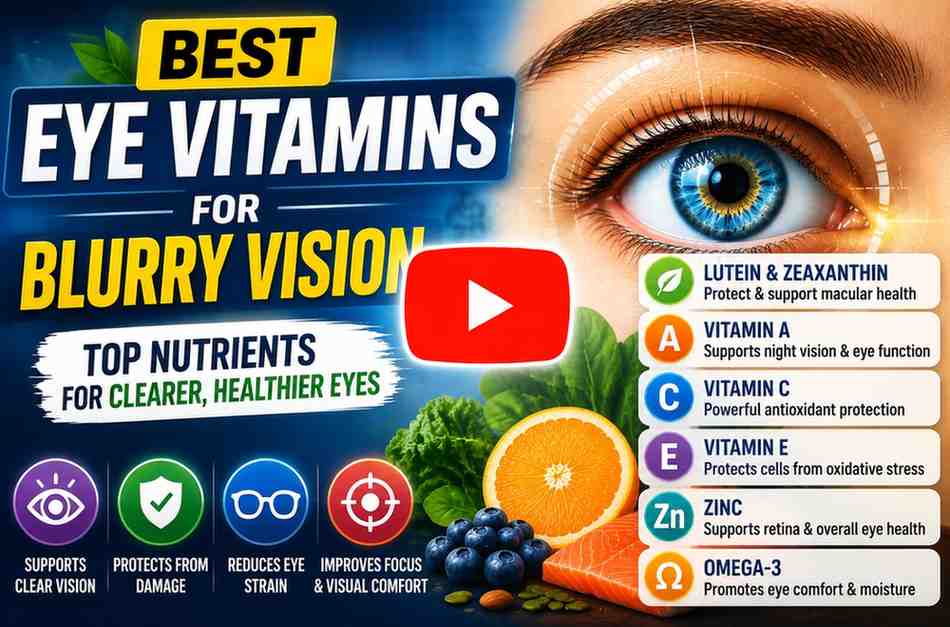
Discover the best eye vitamins for blurry vision, including lutein, zeaxanthin, vitamins A, C, E, and zinc to support healthy vision and eye wellness.
The eyes are highly active organs that require a constant supply of nutrients to function properly. Similar to the brain, heart, and other organs, the eyes can be affected by nutritional imbalances.
A diet lacking important vitamins, minerals, and antioxidants may contribute to increased eye fatigue, dryness, and reduced visual comfort.
Eye health nutrients such as vitamin A, lutein, zeaxanthin, vitamin C, vitamin E, zinc, and omega-3 fatty acids have been widely studied for their connection to vision support.
These nutrients help maintain the structures of the eye, support the retina, and protect delicate eye tissues from damage caused by free radicals.
In this guide, we will explore the best eye vitamins for blurry vision, how they work, which nutrients are most important, and how lifestyle choices can complement nutritional support for healthier eyes.

Understanding Blurry Vision: Common Reasons Your Vision May Become Unclear
Blurry vision can happen for many different reasons. Sometimes it is temporary and related to daily habits, while other times it may signal a condition that needs medical evaluation.
Understanding the possible causes can help determine whether nutritional support may be helpful.
1. Digital Eye Strain
Modern lifestyles involve extensive use of smartphones, computers, tablets, and other digital devices. Spending several hours looking at screens can cause:
- Eye fatigue
- Temporary blurred vision
- Dryness
- Difficulty focusing
- Headaches
When people stare at screens for long periods, they tend to blink less often. Reduced blinking can decrease moisture on the eye surface, causing irritation and temporary vision changes.
Nutrients that support tear production and eye surface health, including omega-3 fatty acids and antioxidants, may help maintain overall eye comfort.
2. Aging and Natural Vision Changes
As people get older, changes in the eyes become more common. The eye lens may become less flexible, making it harder to focus on nearby objects.
Age-related changes may include:
- Difficulty reading small text
- Increased sensitivity to light
- Slower adjustment between bright and dark environments
- Reduced visual sharpness
Aging also increases exposure to oxidative stress, which may affect delicate eye structures over time. Antioxidant nutrients are often researched for their role in supporting long-term eye wellness.
3. Dry Eyes
Dry eye is another common cause of blurry vision. The tear film on the surface of the eye helps create a smooth optical surface. When tears are insufficient or evaporate too quickly, vision may become temporarily unclear.
Common signs of dry eyes include:
- Burning sensation
- Eye irritation
- Feeling like something is in the eye
- Fluctuating vision
- Redness
Certain nutrients, especially omega-3 fatty acids, may support healthy tear production and normal eye lubrication.
4. Nutritional Deficiencies
The eyes require specific vitamins and minerals to maintain normal function. A lack of certain nutrients may affect vision quality.
Important nutrients linked with eye health include:
- Vitamin A for normal vision function
- Zinc for retinal health
- Antioxidants for protection against oxidative stress
- Carotenoids for macular support
A balanced diet rich in colorful fruits, vegetables, nuts, seeds, and healthy fats can provide many of these nutrients naturally.

How Do Eye Vitamins Support Blurry Vision?
Eye vitamins are designed to provide nutrients that support the biological processes involved in maintaining healthy eyesight.
They do not work like prescription glasses or corrective procedures. Instead, they support the underlying systems that help the eyes function properly.
Here are some ways eye vitamins may support vision health:
Protecting Eye Cells From Oxidative Stress
The eyes are constantly exposed to light, including blue light from digital screens and sunlight. This exposure creates oxidative stress, which can affect cells over time.
Antioxidants help neutralize free radicals and protect cells from damage.
Important antioxidant nutrients include:
- Vitamin C
- Vitamin E
- Lutein
- Zeaxanthin
These nutrients help support the natural defense system of the eyes.
Supporting the Retina
The retina is the light-sensitive layer at the back of the eye responsible for converting light into signals that the brain interprets as images.
Because the retina requires high energy and constant activity, it is especially vulnerable to oxidative stress. Nutrients such as lutein, zeaxanthin, vitamin A, and zinc are important for maintaining normal retinal function.
Supporting the Macula
The macula is the central area of the retina responsible for sharp, detailed vision.
Lutein and zeaxanthin are carotenoids naturally found in the macula. They act as protective pigments that help filter harmful light and support macular health.
These nutrients are commonly included in many eye health formulas because of their connection with visual performance.
Best Eye Vitamins for Blurry Vision Support
There is no single “magic” vitamin that instantly removes blurry vision. Instead, healthy eyesight depends on a combination of nutrients working together.
Below are some of the most researched vitamins and compounds commonly associated with eye health.
1. Vitamin A: Essential for Normal Vision
Vitamin A is one of the most important nutrients for maintaining healthy eyesight.
The retina contains a pigment called rhodopsin, which helps the eyes detect light, especially in low-light conditions. Vitamin A plays a key role in producing this pigment.
Benefits of vitamin A for eye health may include:
- Supporting normal night vision
- Maintaining eye surface health
- Supporting tear production
- Helping protect the cornea
Foods rich in vitamin A include:
- Carrots
- Sweet potatoes
- Pumpkin
- Spinach
- Eggs
- Dairy products
A deficiency in vitamin A can negatively affect vision, especially night vision.
However, excessive vitamin A supplementation should be avoided unless recommended by a healthcare professional because very high doses may cause unwanted effects.
2. Lutein: The “Eye Protection” Carotenoid
Lutein is one of the most popular nutrients found in eye supplements.
It is a carotenoid antioxidant naturally concentrated in the retina, particularly the macula.
Lutein may help support eye health by:
- Filtering high-energy light
- Protecting retinal cells
- Supporting visual comfort
- Helping maintain macular health
Foods containing lutein include:
- Kale
- Spinach
- Collard greens
- Broccoli
- Corn
- Egg yolks
Because many people do not consume enough leafy green vegetables daily, lutein supplements are often used as an additional source.
3. Zeaxanthin: Supporting Sharp Vision
Zeaxanthin works together with lutein to support the macula.
Like lutein, zeaxanthin acts as an antioxidant and helps protect the eyes from oxidative damage.
Potential benefits include:
- Supporting central vision
- Maintaining macular pigment levels
- Protecting eye cells from environmental stress
Foods containing zeaxanthin include:
- Orange peppers
- Corn
- Egg yolks
- Goji berries
- Leafy vegetables
Many high-quality eye vitamin formulas combine lutein and zeaxanthin because they naturally occur together in the eye.
4. Vitamin C: Powerful Antioxidant Support
Vitamin C is well known for supporting immune function, but it also plays a role in eye health. The eye contains high concentrations of vitamin C, especially in areas exposed to oxidative stress.
Potential eye benefits include:
- Protecting eye tissues from free radicals
- Supporting collagen production
- Maintaining healthy blood vessels in the eye
Vitamin C-rich foods include:
- Oranges
- Strawberries
- Kiwi
- Bell peppers
- Citrus fruits
A diet rich in vitamin C contributes to overall antioxidant protection throughout the body.

5. Vitamin E: Protecting Eye Cells From Damage
Vitamin E is another important antioxidant that supports overall eye wellness. Since the eyes are constantly exposed to light and environmental factors, antioxidant protection plays a valuable role in maintaining healthy eye tissues.
Vitamin E helps protect cells from oxidative stress by neutralizing free radicals that may damage delicate structures within the eye.
Potential benefits of vitamin E for eye health include:
- Supporting healthy eye cells
- Protecting retinal tissues
- Helping maintain normal vision function
- Supporting overall antioxidant balance
Foods naturally rich in vitamin E include:
- Almonds
- Sunflower seeds
- Hazelnuts
- Avocados
- Vegetable oils
- Peanuts
Many eye health formulas combine vitamin E with vitamin C because these antioxidants work together to support cellular protection.
6. Zinc: Supporting Retina Function and Vision Health
Zinc is an essential mineral that plays several important roles throughout the body, including maintaining healthy eyes.
The retina contains a high concentration of zinc, which helps support normal visual processes.
Zinc may contribute to:
- Healthy retinal function
- Vitamin A metabolism
- Normal immune activity in eye tissues
- Protection against oxidative stress
Foods that provide zinc include:
- Oysters
- Beef
- Chicken
- Pumpkin seeds
- Chickpeas
- Dairy products
Zinc is commonly included in eye supplements because it works together with vitamin A to support normal vision pathways.
7. Omega-3 Fatty Acids: Supporting Eye Moisture and Comfort
Omega-3 fatty acids are healthy fats that have been widely studied for their role in supporting overall wellness.
For eye health, omega-3s are especially known for supporting the tear film, which helps keep the eyes properly lubricated.
Potential benefits of omega-3 fatty acids include:
- Supporting comfortable eyes
- Helping maintain normal tear production
- Supporting healthy inflammation balance
- Promoting overall eye wellness
Common sources of omega-3 include:
- Salmon
- Sardines
- Tuna
- Flaxseeds
- Chia seeds
- Walnuts
People who do not regularly consume fatty fish may consider omega-3 supplements as part of a balanced approach to eye nutrition.
8. Bilberry: A Traditional Eye Health Ingredient
Bilberry is a dark-colored berry that contains anthocyanins, powerful plant compounds with antioxidant properties.
Bilberries have traditionally been used to support vision and circulation.
Potential benefits of bilberry may include:
- Supporting healthy blood circulation around the eyes
- Providing antioxidant support
- Supporting visual comfort
Bilberry is often included in natural eye supplements alongside lutein and zeaxanthin.
However, while some studies suggest possible benefits, more research is needed to fully understand its effects on specific vision problems.
9. Astaxanthin: A Powerful Antioxidant Compound
Astaxanthin is a naturally occurring carotenoid found in certain marine organisms, especially algae and seafood.
It has strong antioxidant properties and is sometimes included in eye health formulas.
Potential benefits may include:
- Supporting eye comfort
- Helping protect cells from oxidative stress
- Supporting healthy blood flow
Astaxanthin is often combined with other eye nutrients to create a broader vision-support formula.
Best Eye Vitamin Combinations for Blurry Vision Support
Many eye supplements combine multiple nutrients because eye health depends on several biological processes working together.
Some commonly used combinations include:
Combination 1: Lutein + Zeaxanthin + Zinc
This combination focuses on supporting:
- Macular health
- Retinal protection
- Visual function
Lutein and zeaxanthin provide antioxidant support, while zinc helps maintain normal retinal processes.
Combination 2: Vitamin A + Vitamin C + Vitamin E
This antioxidant-focused combination supports:
- Protection against oxidative stress
- Healthy eye tissues
- Overall eye wellness
These vitamins work together to support the body’s natural defense systems.
Combination 3: Lutein + Omega-3 + Bilberry
This combination is commonly used by people looking for:
- Eye comfort support
- Antioxidant protection
- Healthy circulation support
It combines plant-based antioxidants with healthy fats that support eye moisture.
Eye Vitamins vs Eye Drops: Which Is Better?
Eye vitamins and eye drops serve different purposes.
Eye drops work on the surface of the eye primarily and may help with:
- Temporary dryness
- Irritation
- Eye discomfort
Eye vitamins provide nutrients that support internal eye health.
They may help support:
- Retinal health
- Antioxidant protection
- Long-term nutritional support
For some people, combining healthy nutrition with appropriate eye care products may provide better overall support.

Foods That Naturally Support Eye Health
Before considering supplements, improving daily nutrition can provide important eye-supporting nutrients.
Here are some foods commonly associated with healthy vision:
| Food | Key Nutrients |
|---|---|
| Carrots | Vitamin A |
| Spinach | Lutein, Zeaxanthin |
| Kale | Lutein, Antioxidants |
| Eggs | Lutein, Zeaxanthin, Zinc |
| Salmon | Omega-3 Fatty Acids |
| Citrus Fruits | Vitamin C |
| Almonds | Vitamin E |
| Pumpkin Seeds | Zinc |
A colorful diet is often beneficial because different colors represent different plant compounds and antioxidants.
Lifestyle Habits That Support Clearer Vision
Eye vitamins are only one part of maintaining healthy eyesight. Daily habits also play an important role.
Follow the 20-20-20 Rule
For people who spend long hours on screens:
- Every 20 minutes
- Look at something 20 feet away
- For at least 20 seconds
This can help reduce digital eye strain.
Protect Your Eyes From UV Exposure
Long-term exposure to ultraviolet light may affect eye health.
Helpful habits include:
- Wearing sunglasses outdoors
- Choosing UV-protective lenses
- Avoiding direct sun exposure without protection
Stay Hydrated
Dehydration may contribute to dry eyes and discomfort.
Drinking enough water supports overall body function, including tear production.
Get Regular Eye Exams
Regular eye examinations can help identify changes early.
Professional eye evaluations are important because blurry vision may sometimes be related to:
- Vision prescription changes
- Eye diseases
- Medication effects
- Other health conditions
Who May Benefit From Eye Vitamins?
Eye vitamins may be useful for individuals who want additional nutritional support, especially those who:
- Have a diet low in fruits and vegetables
- Spend many hours using digital screens
- Want antioxidant support for aging eyes
- Have increased interest in long-term eye wellness
- Do not regularly consume omega-3-rich foods
However, supplements should complement—not replace—healthy lifestyle habits and professional eye care.
Who Should Be Careful With Eye Supplements?
Although many eye vitamins are considered safe when used properly, certain individuals should speak with a healthcare professional before starting supplements.
This includes people who:
- Take prescription medications
- Have existing eye conditions
- Are pregnant or breastfeeding
- Have nutrient absorption problems
- Are considering high-dose supplements
More does not always mean better. Following recommended serving sizes is important.
Can Eye Vitamins Remove Blurry Vision Permanently?
Eye vitamins may support overall eye health, but they do not permanently correct every cause of blurry vision.
For example:
- Glasses or contact lenses may be needed for refractive errors
- Medical treatment may be required for certain eye conditions
- Lifestyle changes may be needed for digital eye strain
The effectiveness of eye vitamins depends on the reason behind blurry vision and an individual’s nutritional status.
Frequently Asked Questions About the Best Eye Vitamins for Blurry Vision
What is the best vitamin for blurry vision?
There is no single best vitamin for everyone. Nutrients such as lutein, zeaxanthin, vitamin A, vitamin C, vitamin E, zinc, and omega-3 fatty acids are commonly used to support overall eye health.
Can vitamin A improve eyesight?
Vitamin A is important for normal vision function, especially maintaining healthy night vision. However, it may not improve blurry vision caused by prescription issues or medical eye conditions.
Do lutein and zeaxanthin help eyesight?
Lutein and zeaxanthin are antioxidants naturally found in the retina. They may support macular health and protect eye cells from oxidative stress.
How long does it take for eye vitamins to work?
Results vary depending on diet, nutritional status, and individual health factors. Some people may notice improved eye comfort over time, while others may not experience noticeable changes.
Are eye vitamins safe to take daily?
Many eye supplements are designed for daily use when taken according to label directions. Individuals with medical conditions or those taking medications should consult a healthcare provider first.
Can eye vitamins replace glasses?
No. Eye vitamins cannot replace corrective lenses for conditions such as nearsightedness, farsightedness, or astigmatism.
Final Conclusion: Choosing the Best Eye Vitamins for Blurry Vision Support
Maintaining healthy eyesight requires a combination of proper nutrition, healthy lifestyle habits, and regular eye care. While eye vitamins cannot instantly eliminate blurry vision, they can provide valuable nutritional support for the structures and processes involved in maintaining normal vision.
The best eye vitamins for blurry vision typically include nutrients such as lutein, zeaxanthin, vitamin A, vitamin C, vitamin E, zinc, and omega-3 fatty acids. These compounds help support antioxidant protection, retinal health, macular function, and overall eye wellness.
A nutrient-rich diet filled with colorful vegetables, fruits, healthy fats, and quality protein sources should always be the foundation of eye health. Supplements may provide additional support when dietary intake is not enough.
If blurry vision continues, becomes frequent, or suddenly appears, it is important to seek professional eye care to identify the underlying cause.
By combining smart nutrition, protective habits, and regular eye checkups, you can take proactive steps toward supporting clearer, healthier vision for the long term.
References
https://www.healthline.com/nutrition
https://www.webmd.com/eye-health
https://www.mayoclinic.org/healthy-lifestyle
https://en.wikipedia.org/wiki/Human_eye
About Us