Tinnitus is a common hearing-related concern that affects many people worldwide. It is often described as ringing, buzzing, humming, clicking, or whistling sounds that occur without an external source.
These sounds may appear occasionally or continue regularly, affecting sleep, focus, and daily comfort.
The “10-second Vicks trick for tinnitus” has recently gained attention online as a viral home remedy.
Many people are interested in this simple approach because Vicks VapoRub is a familiar product often used for cold and congestion relief. Some users claim it may provide temporary comfort from unwanted ear sounds.
However, there is currently no strong scientific evidence proving that Vicks can eliminate tinnitus or treat its underlying causes.
Tinnitus involves complex interactions between the ear, hearing pathways, and the brain. While Vicks may create a soothing sensation for some people, it does not directly address the factors linked to tinnitus.


This article explains what the 10-second Vicks trick for tinnitus is, why it became popular, whether it works, possible safety concerns, and evidence-based ways people can better manage tinnitus symptoms.
What Is the 10 Second Vicks Trick for Tinnitus?
The 10 second Vicks trick for tinnitus refers to an online remedy that suggests using Vicks VapoRub as a quick method to reduce the awareness of ringing or buzzing sounds in the ears.
Different versions of this trend appear online. Some suggest placing a small amount of Vicks near the outer ear area, while others mention using the product’s vapor sensation to create a cooling or soothing feeling.
These recommendations are mostly based on personal stories shared online rather than medical research.
The popularity of this trick comes from the belief that the ingredients in Vicks may influence sensations around the ear area.
Vicks products commonly contain ingredients such as menthol, camphor, and eucalyptus oil, which create cooling sensations and strong aromas.
These effects may make a person feel more relaxed or temporarily distracted from tinnitus. However, the cooling feeling produced by menthol does not mean that the tinnitus source has been corrected.
Tinnitus is not usually caused by a problem on the skin around the ear. It often involves changes in how sound signals are processed between the ear and the brain. Because of this, applying a topical product cannot be considered a proven tinnitus treatment.
Why Has the Vicks Tinnitus Trick Become Popular?
The internet has made many home remedies widely known, especially those that promise simple and fast results. The Vicks trick has become popular for several reasons.
➤ People Search for Immediate Comfort
Tinnitus can be frustrating because the sound may appear without warning. A person may suddenly notice ringing while trying to sleep, working, or sitting in a quiet environment.
When symptoms become distracting, people often look for something they can try immediately at home. A “10 second trick” sounds attractive because it suggests a quick solution without complicated steps.
However, quick comfort and long-term improvement are not always the same thing. A method that changes awareness of tinnitus for a short time may not address the reason the sound is happening.
➤ Vicks Is a Trusted Household Product
Vicks has been used by families for many years for cough and congestion-related discomfort. Because many people associate it with feeling better during illness, they may assume it could help with other uncomfortable sensations.
The product’s cooling sensation can feel soothing. This may explain why some individuals report feeling temporary relief after using it.
Still, a product’s ability to create comfort does not automatically mean it can treat every condition where it is applied.
➤ Ear Pressure and Congestion Can Feel Similar
Some people confuse ear pressure with tinnitus. When someone has nasal congestion, allergies, or sinus pressure, the ears may feel blocked or unusual.
Because Vicks is commonly used during colds, some people may feel that it improves ear-related discomfort when congestion is involved.
However, congestion-related ear fullness is different from tinnitus. True tinnitus involves hearing sounds without an external source, while pressure-related symptoms may come from changes around the ear and nasal passages.
Understanding Tinnitus and Why It Happens
To understand whether a home remedy can help, it is important to understand what tinnitus actually is.
Tinnitus is the perception of sound when no outside sound is present. The sounds may include:
- Ringing
- Buzzing
- Hissing
- Clicking
- Whistling
- Humming
For some people, tinnitus lasts only a short time. For others, it can continue for months or years.
The causes of tinnitus can vary. Common factors associated with tinnitus include:
➤ Loud Noise Exposure
Repeated exposure to loud sounds can affect sensitive structures inside the ear. This may happen after concerts, loud workplaces, machinery exposure, or frequent use of high-volume headphones.
➤ Age-Related Hearing Changes
As people get older, changes in hearing ability can affect how the brain processes sound signals. These changes may contribute to tinnitus symptoms.
➤ Earwax Buildup
Excess earwax can block sound pathways and create changes in hearing perception. In some cases, removing the blockage may improve symptoms.
➤ Certain Health Conditions
Some medical conditions affecting hearing, circulation, or the nervous system may be linked with tinnitus.
➤ Stress and Sleep Problems
Stress does not always cause tinnitus, but it can influence how noticeable the sound feels. Poor sleep may also make tinnitus harder to manage.
Because tinnitus can have many possible causes, understanding the individual situation is important before choosing any approach.
Can Vicks Remove Tinnitus in 10 Seconds?
The claim that Vicks can remove tinnitus in 10 seconds is not supported by scientific evidence.
Some people may experience temporary changes after using Vicks because the product creates a strong cooling sensation. The brain responds to different sensory signals, and a new sensation may briefly distract attention away from tinnitus.
For example, when someone applies a cooling product, their focus may shift toward that feeling. This can make the tinnitus sound seem less noticeable for a short period.
However, this does not mean the tinnitus has disappeared.
Tinnitus perception is strongly connected to how the brain processes and focuses on internal sounds.
Many strategies that help people manage tinnitus focus on reducing stress, improving sleep, protecting hearing, and changing how the brain responds to the sound.
A temporary distraction can feel helpful, but it should not be considered a proven cure.
How Does Vicks Create a Feeling of Relief?
Although Vicks is not a tinnitus treatment, some people may experience a temporary soothing effect because of its ingredients.
➤ Menthol Cooling Effect
Menthol activates cold-sensitive receptors in the skin and creates a cooling sensation. This feeling can be refreshing and may temporarily change sensory awareness.
➤ Strong Aroma and Sensory Distraction
The smell of eucalyptus and menthol creates a strong sensory experience. A stronger external sensation may reduce attention toward internal sounds for some individuals.
➤ Relaxation Response
Some people associate Vicks with comfort during illness. Familiar smells and routines may create a calming response, which may indirectly reduce stress related to tinnitus.
It is important to remember that these effects are related to comfort and perception. They do not mean Vicks changes the underlying hearing mechanisms involved in tinnitus.

Is It Safe to Use Vicks Near the Ears?
Although Vicks VapoRub is commonly used for external applications related to cough and congestion comfort, using it around the ears requires caution.
The skin around the ear can be sensitive, and products containing ingredients such as camphor and menthol may irritate some people.
Vicks should not be placed inside the ear canal because the ear is a delicate area that can easily become irritated.
Applying any product inside the ear without medical guidance may increase the risk of discomfort, inflammation, or other complications.
The ear canal has a natural protective environment, and unnecessary substances can interfere with that balance.
People should also avoid using Vicks near the ears if they have:
- Sensitive skin reactions
- Ear infections
- Open cuts or irritated skin
- Ear drainage or unusual symptoms
If someone experiences sudden hearing changes, severe dizziness, ear pain, or new symptoms along with tinnitus, professional medical advice is recommended.
The popularity of the 10-second Vicks trick comes from personal experiences, but safety should always come before trying viral health trends.
Better Ways to Manage Tinnitus Symptoms
While there is no universal quick fix for tinnitus, several approaches may help people reduce how noticeable the sounds feel and improve daily comfort.
➤ Protect Your Hearing
One of the most important steps for people with tinnitus is protecting their ears from excessive noise.
Loud environments can make tinnitus more noticeable and may contribute to further hearing stress. Using appropriate hearing protection during loud activities can help reduce unnecessary exposure.
However, completely avoiding all sounds is usually not helpful. The goal is balanced protection while maintaining normal hearing activities.
➤ Use Background Sounds
Many people notice tinnitus more when the environment is completely quiet. Background sounds can help reduce the contrast between silence and internal ear sounds.
Examples include:
- Soft music
- Nature sounds
- White noise
- Fans
- Relaxing audio
These sounds do not remove tinnitus, but they may make it easier for the brain to focus on other sounds.
Many people find this especially helpful at night when tinnitus becomes more noticeable because there are fewer outside noises.
➤ Improve Sleep Quality
Tinnitus and sleep problems often affect each other. Difficulty sleeping can increase stress, and increased stress may make tinnitus feel louder.
Creating healthy sleep habits may help support better rest.
Helpful habits include:
- Keeping a consistent sleep schedule
- Reducing screen exposure before bed
- Creating a comfortable bedroom environment
- Using relaxing background sounds if needed
Better sleep may improve the ability to cope with tinnitus symptoms.
➤ Manage Daily Stress
Stress can influence how strongly tinnitus is noticed. When the brain is under pressure, it may focus more attention on uncomfortable sensations.
Stress management techniques may help some people feel more in control.
Common approaches include:
- Deep breathing exercises
- Meditation
- Gentle exercise
- Relaxation routines
- Spending time outdoors
These methods do not directly remove tinnitus, but they may improve overall well-being and reduce the emotional impact of symptoms.
➤ Maintain Healthy Lifestyle Habits
General health habits may support overall ear and nervous system function.
Helpful lifestyle choices include:
- Eating a balanced diet
- Staying physically active
- Drinking enough water
- Limiting excessive alcohol intake
- Avoiding smoking
Healthy circulation and overall wellness can support many body systems, including those involved in hearing.
Can Natural Remedies Help Tinnitus?
Many natural remedies are discussed online for tinnitus, including herbal products, oils, supplements, and home techniques.
However, people should be careful with claims that promise guaranteed results. Tinnitus has many possible causes, and what helps one person may not help another.
Some approaches may provide comfort by supporting relaxation or reducing stress, but they should not replace professional evaluation when symptoms are persistent or severe.
Before trying supplements or alternative remedies, it is important to consider possible interactions with medications and existing health conditions.
A healthcare professional can help determine whether a specific approach is appropriate.
When Should You See a Doctor About Tinnitus?
Occasional ringing after loud noise exposure may improve naturally. However, certain situations require professional attention.
A healthcare provider should evaluate tinnitus when it:
- Appears suddenly without explanation
- Happens only in one ear
- Is accompanied by hearing loss
- Comes with dizziness or balance problems
- Causes significant sleep disruption
- Affects daily activities
A hearing specialist may perform hearing tests and evaluate possible causes.
Finding the reason behind tinnitus can help determine the most appropriate management approach.
Medical Approaches for Tinnitus Management
There is currently no single treatment that works for every person with tinnitus. Management usually focuses on reducing symptoms and improving quality of life.
Possible approaches may include:
- Hearing Support: For people with hearing loss, hearing devices may help improve hearing signals and reduce awareness of tinnitus.
- Sound-Based Approaches: Sound therapy uses external sounds to help the brain adjust its response to tinnitus.
- Counseling Support: Some people benefit from counseling approaches that help reduce stress and change emotional reactions toward tinnitus.
- Treating Underlying Causes: If tinnitus is related to earwax buildup, medication effects, or another identifiable issue, addressing that cause may improve symptoms.
The best approach depends on the individual and the factors contributing to their tinnitus.
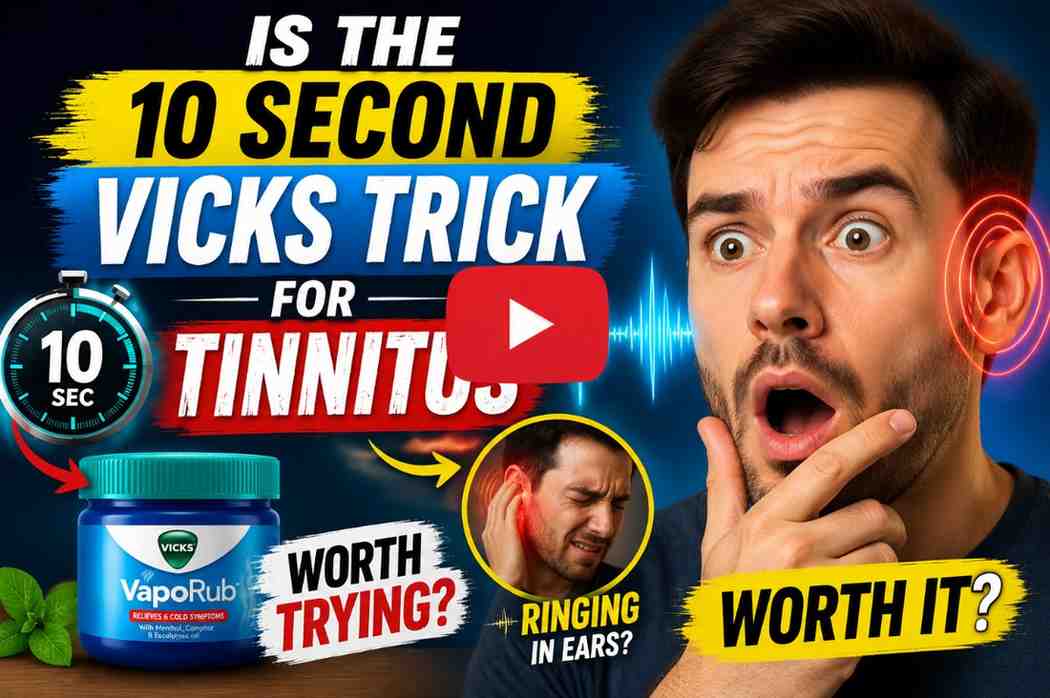
The Truth About Viral Tinnitus Remedies
The internet is filled with simple tricks claiming to solve complex health concerns quickly. These trends often become popular because they are easy to understand and try.
The 10-second Vicks trick for tinnitus follows this pattern. It is attractive because it is simple, inexpensive, and involves a familiar product.
Some people may feel temporary comfort because of the cooling sensation, relaxation effect, or distraction it creates. However, there is currently no reliable scientific evidence that Vicks can remove tinnitus or treat the condition.
Understanding this difference helps people make better decisions about their health.
A temporary soothing effect can be valuable, but it should not replace proper evaluation or proven management strategies.
Final Thoughts: Is the 10 Second Vicks Trick for Tinnitus Worth Trying?
The 10-second Vicks trick for tinnitus has gained attention because many people are searching for quick relief from ringing or buzzing sounds.
While some individuals may experience a temporary calming effect from the cooling sensation of Vicks, there is no scientific proof that it can eliminate tinnitus.
Tinnitus is a complex condition involving the hearing system and the brain’s sound processing pathways. Managing it usually requires a broader approach, including hearing protection, healthy lifestyle habits, stress management, and professional guidance when needed.
Using Vicks as a comfort measure may feel soothing for some people, but it should be approached carefully and never applied inside the ear.
Anyone experiencing persistent or concerning tinnitus symptoms should consider speaking with a healthcare professional.
The most effective way to handle tinnitus is understanding the possible causes and choosing strategies that support long-term comfort and quality of life.
References
.