
Memory plays an important role in daily life, helping us learn, make decisions, and maintain relationships.
Occasional forgetfulness can happen to anyone, but increasing concerns about memory have led many people to explore natural approaches that may support brain health.
One popular natural combination is honey and cinnamon for memory loss. Both ingredients have been used in traditional wellness practices for centuries.
Honey contains antioxidants and natural compounds that support overall health, while cinnamon contains plant-based compounds that have been studied for their antioxidant and anti-inflammatory properties.
Although honey and cinnamon are not proven treatments for memory loss or cognitive disorders, research suggests they may support general wellness when included as part of a healthy lifestyle.
A balanced diet, regular exercise, quality sleep, and mental stimulation remain essential for maintaining cognitive health.
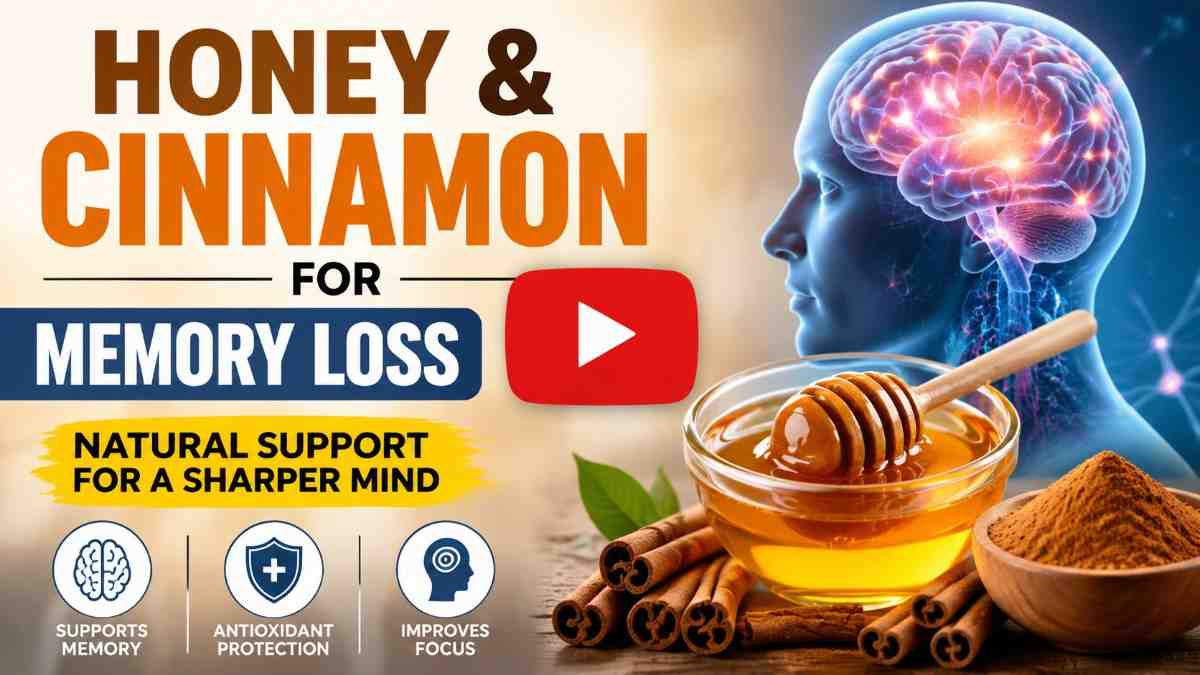

This article explains how honey and cinnamon may relate to memory support, what science says about their benefits, and how to use this combination safely.
Understanding Memory Loss
Memory loss refers to difficulties with remembering information, experiences, or daily tasks. Some changes in memory are a normal part of aging, while more serious memory problems may require medical attention.
Memory depends on several factors, including:
- Healthy brain cell communication
- Proper blood flow
- Balanced inflammation levels
- Good nutrition
- Quality sleep
- Mental activity
Factors such as stress, poor diet, lack of sleep, certain medications, and health conditions can affect memory performance.
Because nutrition plays a role in overall brain health, many researchers have explored whether specific foods and natural compounds may support cognitive function.
Why Are Honey and Cinnamon Linked to Memory Support?
The interest in honey and cinnamon for memory loss comes from their nutritional properties.
Honey contains natural antioxidants, including flavonoids and phenolic compounds. These compounds may help protect cells from oxidative stress, which occurs when harmful free radicals affect normal cellular function.
Cinnamon contains active compounds such as cinnamaldehyde and other antioxidants. Research has examined cinnamon’s possible effects on inflammation, metabolism, and processes connected with brain health.
Together, honey and cinnamon may provide nutrients that support overall wellness. However, they should not be considered a cure for memory disorders such as dementia or Alzheimer’s disease.
How Cinnamon May Support Brain Health
Cinnamon has gained attention because of its natural antioxidant properties.
➢ Antioxidant Protection
Brain cells require large amounts of energy, which makes them more vulnerable to oxidative stress. Antioxidants may help the body manage free radicals and protect cells from damage.
Cinnamon contains plant compounds that may contribute to antioxidant activity. Supporting antioxidant balance is considered an important part of healthy aging.
➢ Supporting Healthy Inflammation
Inflammation is a natural process that helps the body respond to problems. However, long-term inflammation may negatively affect overall health.
Some cinnamon compounds have shown anti-inflammatory effects in laboratory studies. Researchers continue studying whether these properties may influence brain health.
➢ Supporting Learning and Memory Pathways
Some early studies have explored cinnamon’s possible relationship with learning and memory. Research involving animals and laboratory models has shown promising results, but more human studies are needed.
At this time, cinnamon should be viewed as a supportive dietary ingredient rather than a memory treatment.

How Honey May Support Brain Wellness
Honey is more than a natural sweetener. It contains several compounds that may contribute to overall health.
➢ Provides Antioxidants
Honey contains antioxidants that may help protect cells from oxidative stress. Since brain cells are highly active, maintaining antioxidant support is important for overall wellness.
➢ Provides Natural Energy
The brain uses glucose as a primary energy source. Honey contains natural carbohydrates that can provide quick energy.
Maintaining steady energy levels may support focus and daily mental performance.
➢ Supports a Healthy Diet Pattern
Using small amounts of honey as part of a balanced diet may help replace highly processed sweeteners while adding natural compounds.
However, honey still contains sugar, so moderation is important, especially for people managing blood sugar concerns.
Potential Benefits of Honey and Cinnamon for Memory Loss
While there is no strong evidence that honey and cinnamon can reverse memory loss, this combination may provide several supportive benefits.
➢ Supports Antioxidant Activity
Both honey and cinnamon contain antioxidants that may help protect cells from oxidative stress.
A diet rich in antioxidant-containing foods may support healthy aging and overall brain wellness.
➢ May Support Healthy Brain Function
The nutrients found in honey and cinnamon may contribute to a healthy environment for brain function.
Healthy cognition depends on many factors, including nutrition, physical activity, sleep, and stress management.
➢ May Support Metabolic Health
Cinnamon has been studied for its possible effects on blood sugar regulation. Maintaining healthy blood sugar levels is important because energy balance can influence overall health and daily concentration.
People with diabetes should consult a healthcare professional before adding more honey to their diet.
➢ Provides a Natural Wellness Option
Many people enjoy honey and cinnamon because they are simple, affordable ingredients that can easily be included in daily meals.
They can complement a healthy lifestyle focused on long-term wellness.
How to Use Honey and Cinnamon Safely
There is no medically established dosage of honey and cinnamon specifically for memory improvement.
A common way people consume this combination is by adding a small amount of cinnamon with honey to:
- Warm water
- Tea
- Oatmeal
- Yogurt
- Smoothies
The key is moderation. Consuming excessive amounts of cinnamon may cause unwanted effects, especially with certain varieties that contain higher levels of coumarin.
Choosing quality cinnamon and using reasonable amounts is recommended.
Ceylon Cinnamon vs Cassia Cinnamon
Two common types of cinnamon are available:
➢ Ceylon Cinnamon
Ceylon cinnamon is often considered a premium variety. It generally contains lower amounts of coumarin, making it a preferred option for regular use.
➢ Cassia Cinnamon
Cassia cinnamon is more commonly sold in stores. It has a stronger flavor but may contain higher levels of coumarin.
For frequent consumption, choosing high-quality cinnamon and avoiding excessive intake is important.
Other Lifestyle Habits That Support Memory
Honey and cinnamon alone cannot maintain memory health. Several lifestyle factors play a much larger role.
- Exercise Regularly: Physical activity supports circulation and overall brain function. Walking, strength training, swimming, and other exercises may contribute to healthy aging.
- Get Quality Sleep: Sleep helps the brain process information and supports memory formation. Poor sleep quality may affect concentration and cognitive performance.
- Eat Nutrient-Rich Foods: A balanced diet containing fruits, vegetables, whole grains, healthy fats, and lean proteins supports overall health.
- Stay Mentally Active: Activities such as reading, learning new skills, solving puzzles, and engaging in social interactions help keep the brain engaged.
Are Honey and Cinnamon a Treatment for Memory Loss?
No. Honey and cinnamon are not medical treatments for memory loss, dementia, or Alzheimer’s disease.
Memory problems can have many causes, including nutritional issues, medications, stress, sleep problems, and underlying health conditions.
Anyone experiencing significant or worsening memory problems should speak with a healthcare professional for proper evaluation.
Honey and cinnamon may be included as part of a healthy lifestyle, but they should complement—not replace—professional medical guidance.
Safety Considerations
Honey and cinnamon are generally considered safe for most healthy adults when consumed in normal food amounts.
However, some people should use caution.
People who should speak with a healthcare provider before regular use include:
- Individuals with diabetes or blood sugar concerns
- People taking blood-thinning medications
- Individuals with cinnamon allergies
- People consuming large amounts of cinnamon supplements
Children under one year old should not consume honey due to safety concerns.
Final Thoughts: Honey and Cinnamon for Memory Loss
The combination of honey and cinnamon for memory loss continues to attract attention because both ingredients contain natural compounds that may support overall health.
Cinnamon provides antioxidants and plant compounds that researchers are studying for their possible effects on inflammation and cognitive pathways. Honey offers antioxidants and natural nutrients that may contribute to a healthy diet.
However, current research does not prove that honey and cinnamon can prevent, treat, or reverse memory loss. Their best role is as a small part of a brain-supportive lifestyle that includes proper nutrition, exercise, sleep, and mental activity.
For individuals looking for natural ways to support long-term wellness, adding small amounts of honey and cinnamon to a balanced diet may be a simple and enjoyable choice.

References
- https://www.healthline.com/nutrition/benefits-of-honey
- https://www.webmd.com/diet/health-benefits-cinnamon
About Us
