Introduction:
GLP-1 medications have become one of the most discussed treatments for weight management, diabetes care, and metabolic health.
Drugs such as semaglutide and other GLP-1 receptor agonists have gained attention because of their ability to help regulate blood sugar, reduce appetite, and support significant weight reduction when combined with healthy lifestyle changes.
However, one of the biggest questions among Medicare beneficiaries is: Does Medicare cover GLP-1 medications?
The answer depends on several factors, including the reason the medication is prescribed, the specific GLP-1 drug used, Medicare coverage type, medical eligibility, and current Medicare rules.
Some patients may qualify for coverage when GLP-1 medications are prescribed for certain medical conditions, while others may face restrictions when seeking these medications primarily for weight loss.
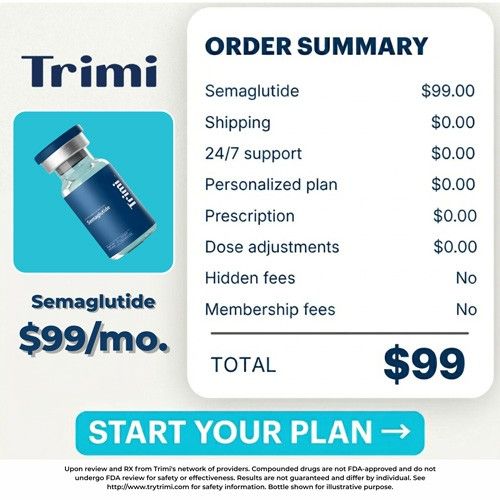
Medicare may cover GLP-1 medications for eligible patients with diabetes or qualifying health needs. Coverage depends on the plan, medication, and eligibility.
Understanding how Medicare works, what conditions qualify, and what costs may be involved can help patients make informed decisions with their healthcare providers.
This comprehensive guide explains everything you need to know about Medicare and GLP-1 medications, including coverage options, eligibility requirements, common medications, costs, alternatives, and important questions to ask your doctor.
What Are GLP-1 Medications?
GLP-1 medications belong to a class of treatments called glucagon-like peptide-1 receptor agonists. These medications work by mimicking a naturally occurring hormone called GLP-1, which plays an important role in blood sugar regulation, digestion, and appetite control.
Normally, the body releases GLP-1 after eating. This hormone helps signal the pancreas to release insulin when blood sugar levels rise. It also slows stomach emptying and sends signals to the brain that contribute to feelings of fullness.
Prescription GLP-1 medications enhance these natural effects and may help:
- Improve blood glucose control
- Reduce hunger and food cravings
- Support weight management
- Improve metabolic health
- Lower certain health risks associated with obesity and diabetes
Common GLP-1 medications include:
- Semaglutide-based medications
- Tirzepatide-based medications
- Liraglutide-based medications
- Other GLP-1 receptor agonists prescribed for specific conditions
Some GLP-1 medications are approved for type 2 diabetes management, while others are approved for chronic weight management or cardiovascular risk reduction.
Because these medications can be expensive, Medicare coverage is a major concern for many older adults and people with disabilities who rely on Medicare benefits.
Does Medicare Cover GLP-1 Medications?
The short answer is: Yes, Medicare may cover certain GLP-1 medications, but coverage depends on the medical reason they are prescribed and the type of Medicare plan you have.
Historically, Medicare coverage for GLP-1 medications depended mainly on whether the medication was being used for an approved medical condition, such as type 2 diabetes. Coverage for weight loss alone was more limited.
Medicare prescription drug coverage generally works through Medicare Part D plans and Medicare Advantage plans that include prescription benefits. These plans create their own formularies, which list covered medications and determine cost-sharing requirements.
Starting in 2026, Medicare expanded access through the Medicare GLP-1 Bridge program, which provides eligible Medicare beneficiaries access to certain GLP-1 medications used for weight management at a predictable monthly cost. The program includes specific eligibility rules and covered medications.
However, not every person with Medicare automatically qualifies. Eligibility depends on factors such as health history, BMI requirements, enrollment in Medicare drug coverage, and physician authorization.
When Does Medicare Cover GLP-1 Medications?
Medicare coverage for GLP-1 medications generally depends on the reason for treatment.
1. GLP-1 Coverage for Type 2 Diabetes
One of the most common situations where Medicare may cover GLP-1 medications is when they are prescribed for managing type 2 diabetes.
Many GLP-1 medications were originally developed and approved to help people with diabetes control blood sugar levels. Medicare Part D plans may cover eligible diabetes medications when they appear on the plan’s formulary.
Coverage may require:
- A confirmed diagnosis of type 2 diabetes
- Prescription from a qualified healthcare provider
- Prior authorization from the insurance plan
- Meeting the plan’s medication requirements
Patients should check their individual Medicare Part D plan because coverage rules, copay amounts, and preferred medications can vary.
Medicare Coverage for GLP-1 Weight Loss Medications
For many years, Medicare coverage for medications used specifically for weight loss was limited. However, newer Medicare initiatives have changed access for some beneficiaries.
Under program rules, covered medications include specific forms of Wegovy, Zepbound, and Foundayo. Eligible individuals may receive these medications with a $50 monthly copayment.
To qualify, patients generally must:
- Be enrolled in Medicare Part D prescription coverage
- Meet specific clinical eligibility requirements
- Receive a prescription from an approved healthcare provider
- Complete any required authorization process
The program is designed for eligible beneficiaries who need GLP-1 therapy for weight reduction or maintaining weight loss.
Who May Qualify for Medicare GLP-1 Coverage?
Eligibility depends on individual health circumstances. Medicare considers medical necessity rather than simply a desire to lose weight.
Potential qualifying factors may include:
Body Mass Index (BMI)
BMI requirements may play an important role in determining eligibility for weight-management GLP-1 coverage.
Some individuals may qualify based on:
- Higher BMI levels
- Lower BMI combined with certain medical risk factors
- Previous health complications related to weight
Existing Health Conditions
Certain health conditions may influence eligibility, including:
- Type 2 diabetes
- Prediabetes
- Cardiovascular conditions
- Other obesity-related health concerns
Your healthcare provider will evaluate your overall health profile before recommending GLP-1 therapy.
Medicare Part D is the prescription drug benefit that helps cover outpatient medications. If you have Part D coverage, your plan maintains a list of covered medications called a formulary.
When evaluating GLP-1 coverage, Medicare beneficiaries should review:
Drug Formulary
Each plan has different covered medications. One Medicare Part D plan may cover a specific GLP-1 medication, while another may require a different option.
Tier Placement
Prescription drugs are placed into tiers that affect costs. Higher-tier medications may require larger copayments or coinsurance.
Prior Authorization
Many GLP-1 medications require approval before coverage begins. Your provider may need to provide medical information explaining why the medication is appropriate.
Step Therapy
Some insurance plans require patients to try certain treatments before approving more expensive medications.
Medicare Advantage Plans and GLP-1 Coverage
Medicare Advantage plans combine Medicare Part A and Part B benefits and often include prescription drug coverage.
If you have a Medicare Advantage Prescription Drug plan (MA-PD), GLP-1 coverage depends on:
- Your specific plan
- Medication formulary
- Medical indication
- Provider documentation requirements
Some Medicare Advantage plans may provide broader prescription options than others, so reviewing your plan details is important.
Patients should contact their insurance provider or review their plan’s medication list before starting treatment.
Which GLP-1 Medications Does Medicare Cover?
Medicare coverage for GLP-1 medications depends on the medication’s approved purpose, your medical condition, and your specific Medicare prescription plan. Not every GLP-1 medication is automatically covered, and coverage policies may change as new approvals and Medicare guidelines develop.
Below are some commonly prescribed GLP-1-related medications and how Medicare coverage typically works.
Does Medicare Cover Ozempic?
Ozempic is a semaglutide medication primarily approved for adults with type 2 diabetes. It helps improve blood sugar control by increasing insulin response, reducing glucose production, and slowing digestion.
Medicare Part D plans may cover Ozempic when it is prescribed for the management of type 2 diabetes. Coverage usually requires that the patient meets the plan’s criteria, which may include:
- A documented type 2 diabetes diagnosis
- Prescription from a healthcare provider
- Prior authorization approval
- Meeting the plan’s formulary requirements
However, Medicare generally does not cover Ozempic when it is prescribed only for weight loss because Ozempic is not approved specifically as a weight-loss medication.
Patients should avoid assuming coverage based only on the medication name. The reason for prescribing the medication plays a major role in Medicare approval.
Does Medicare Cover Wegovy?
Wegovy is another semaglutide medication that is specifically approved for chronic weight management in eligible adults.
Traditional Medicare rules historically excluded coverage for medications prescribed solely for weight loss. However, newer Medicare policies and programs have expanded access to certain weight-management GLP-1 medications for qualifying beneficiaries.
Medicare coverage for Wegovy may depend on:
- Participation in an eligible Medicare prescription plan
- Meeting medical eligibility requirements
- Provider documentation
- Weight-related health risks
- Prior authorization approval
Some patients may qualify when weight management is connected to broader health concerns, such as cardiovascular risk reduction.
Does Medicare Cover Zepbound?
Zepbound contains tirzepatide and works on both GLP-1 and GIP pathways. It is approved for chronic weight management in eligible adults.
Coverage availability depends on Medicare plan rules and the approved medical use. Some Medicare programs may cover certain weight-management medications for qualifying patients under updated coverage pathways.
Patients interested in Zepbound should:
- Review their Medicare Part D formulary
- Ask their healthcare provider about eligibility
- Confirm whether prior authorization is required
- Understand potential out-of-pocket expenses
Does Medicare Cover Mounjaro?
Mounjaro is a tirzepatide medication approved for type 2 diabetes treatment.
Medicare may cover Mounjaro when prescribed for diabetes management if the medication is included in the patient’s Part D plan.
Coverage typically depends on:
- Diagnosis requirements
- Insurance approval
- Medication tier placement
- Provider documentation
Medicare coverage is generally more likely when the medication is used for its approved diabetes indication rather than weight loss.
How Much Do GLP-1 Medications Cost With Medicare?
The cost of GLP-1 medications with Medicare varies significantly depending on:
- Your Medicare plan
- Medication type
- Coverage stage
- Deductible status
- Copayment requirements
- Whether financial assistance programs apply
Without insurance coverage, GLP-1 medications can cost several hundred to more than $1,000 per month.
With Medicare coverage, eligible patients may pay significantly less, but costs can still vary.
Common expenses may include:
Monthly Copayments
Some Medicare plans require a fixed copayment amount depending on the medication tier.
Coinsurance
Some plans require patients to pay a percentage of the medication cost.
Deductibles
Patients may need to meet their annual prescription deductible before coverage begins.
Coverage Changes
Medication costs may change annually as Medicare plans update their formularies and pricing structures.
Because costs vary by plan, beneficiaries should review their Annual Notice of Change documents or contact their plan directly.
Why Might Medicare Deny Coverage for a GLP-1 Medication?
There are several reasons Medicare or a Medicare plan may deny coverage for a GLP-1 prescription.
Understanding these reasons can help patients work with their healthcare provider to address possible issues.
1. The Medication Is Prescribed Only for Weight Loss
Historically, Medicare has limited coverage for medications considered weight-loss drugs. If a GLP-1 medication is prescribed without an approved medical indication, coverage may be denied.
2. The Medication Is Not Included in the Plan Formulary
Each Medicare prescription plan has a list of covered medications. If your medication is not included, the plan may refuse coverage or require you to try another covered option.
3. Prior Authorization Requirements Are Not Completed
Many expensive medications require prior authorization. Your healthcare provider may need to submit:
- Medical history
- Diagnosis information
- Previous treatment results
- Supporting documentation
Without approval, coverage may not begin.
4. Eligibility Requirements Are Not Met
Medicare programs may require patients to meet specific health criteria before approving GLP-1 medications.
These requirements may involve:
- BMI levels
- Medical conditions
- Previous treatment attempts
- Health risks
How Can You Increase the Chances of Medicare Approval for GLP-1 Treatment?
If your healthcare provider believes a GLP-1 medication is appropriate, there are several steps you can take to help expedite the approval process.
Work With Your Healthcare Provider
Your doctor can provide important medical documentation supporting why GLP-1 therapy is medically necessary.
Documentation may include:
- Health conditions
- Weight history
- Blood sugar measurements
- Previous treatment attempts
- Current medications
Check Your Medicare Plan Before Starting Treatment
Before filling a prescription, review your Medicare drug coverage.
Look for:
- Whether the medication is covered
- Required approval steps
- Expected monthly cost
- Alternative covered medications
Complete Required Medical Evaluations
Your provider may perform evaluations related to:
- Blood glucose levels
- Weight-related health risks
- Cardiovascular health
- Overall metabolic condition
These evaluations can support appropriate treatment decisions.
What Happens If Medicare Does Not Cover Your GLP-1 Medication?
If Medicare does not cover your prescribed GLP-1 medication, several options may be available.
Discuss Alternative Medications
Your healthcare provider may recommend another medication that:
- Is covered by your plan
- Provides similar health benefits
- Fits your medical needs
Explore Manufacturer Assistance Programs
Some medication manufacturers offer savings programs or assistance options for eligible individuals.
Eligibility requirements vary and may depend on:
- Insurance status
- Income
- Medication type
- Medical qualifications
Consider Other Weight Management Approaches
GLP-1 medications are one part of comprehensive weight management. Other approaches may include:
- Nutrition counseling
- Physical activity programs
- Behavioral support
- Medical weight management services
A healthcare provider can help determine the most appropriate approach.
Are GLP-1 Medications Safe for Medicare Patients?
GLP-1 medications can be safe and effective for many eligible patients when prescribed and monitored by a qualified healthcare provider.
However, they are not suitable for everyone.
Possible side effects may include:
- Nausea
- Vomiting
- Diarrhea
- Constipation
- Reduced appetite
- Digestive discomfort
Some patients may require additional monitoring because of existing medical conditions or medication interactions.
Older adults should discuss their full medical history before starting GLP-1 therapy.
Benefits of GLP-1 Medications for Eligible Medicare Patients
When appropriately prescribed, GLP-1 medications may provide several health benefits.
Improved Blood Sugar Control
GLP-1 medications help regulate glucose levels and may support better diabetes management.
Weight Management Support
These medications may reduce appetite and help patients maintain healthier body weight when combined with lifestyle changes.
Cardiovascular Health Support
Certain GLP-1 medications may help reduce cardiovascular risks in specific patient groups.
Improved Quality of Life
Better metabolic health can contribute to improved mobility, energy levels, and daily functioning.
Questions to Ask Your Doctor About Medicare and GLP-1 Coverage
Before starting treatment, consider asking:
- Does my medical condition qualify me for GLP-1 coverage?
- Will Medicare cover this medication under my current plan?
- Does my prescription require prior authorization?
- Are there lower-cost covered alternatives?
- What benefits and risks should I expect?
- How long will I need to take this medication?
- How will we measure whether treatment is working?
Having an open discussion with your healthcare provider can help you understand whether GLP-1 therapy is right for you.
Frequently Asked Questions About Medicare and GLP-1 Coverage
Does Medicare pay for GLP-1 medications?
Medicare may cover certain GLP-1 medications when they are prescribed for approved medical conditions, such as type 2 diabetes or qualifying weight-management needs under current Medicare programs.
Does Medicare cover GLP-1 drugs for weight loss?
Coverage for GLP-1 medications used specifically for weight loss depends on current Medicare policies, eligibility requirements, and individual plan rules.
Does Medicare Part D cover Ozempic?
Medicare Part D may cover Ozempic when prescribed for the treatment of type 2 diabetes and when the medication is included in the patient’s plan formulary.
Does Medicare cover Wegovy for obesity?
Some eligible Medicare beneficiaries may receive coverage for Wegovy under specific coverage programs and medical requirements.
How do I know if my Medicare plan covers GLP-1 medications?
You can check your Medicare Part D or Medicare Advantage plan formulary or contact your insurance provider for current coverage information.
Do I need prior authorization for GLP-1 coverage?
Many Medicare plans require prior authorization for GLP-1 medications due to their cost and specific eligibility criteria.
Can my doctor help me get Medicare approval?
Yes. Your healthcare provider can submit medical documentation and explain why GLP-1 therapy is medically appropriate.
Are GLP-1 medications covered for diabetes?
Many GLP-1 medications have Medicare coverage options when prescribed for type 2 diabetes management.
Conclusion: Does Medicare Cover GLP-1?
In conclusion, I highly recommend discussing GLP-1 medication options with a qualified healthcare provider if you believe this treatment may support your health goals.
Medicare coverage for GLP-1 medications depends on several factors, including your diagnosis, Medicare plan, medication type, and eligibility requirements.
For many beneficiaries, GLP-1 medications may be covered when prescribed for the management of type 2 diabetes or qualifying medical conditions.
Newer Medicare coverage pathways may also provide additional opportunities for eligible individuals seeking weight-management support.
Before beginning treatment, review your Medicare benefits, confirm coverage details, and work closely with your healthcare provider to choose the safest and most effective option.
With proper medical guidance, GLP-1 medications can become an important tool for improving metabolic health, managing chronic conditions, and supporting long-term wellness.
References
About Us