Indroduction
GLP-1 medications have quickly become one of the most talked-about options for weight management and metabolic health support. Drugs like semaglutide and tirzepatide are widely prescribed, but one major challenge remains: cost and insurance coverage.
If you’re uninsured, or your plan excludes weight-loss medications, the good news is that you still have real, legal, and medically supervised pathways to access GLP-1 therapy in 2026.
While retail prices can exceed $900–$1,300 per month, most uninsured patients today pay significantly less through structured programs, telehealth services, or manufacturer direct options.
This guide breaks down exactly how to get GLP-1 without insurance, what each path costs, and how to choose the safest and most affordable option.
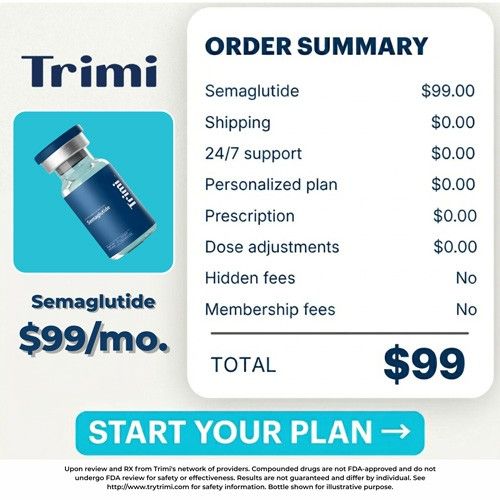
Uninsured patients can access GLP-1 through telehealth clinics, cash-pay programs, manufacturer savings, or assistance plans with doctor approval.
Understanding Why GLP-1 Is Expensive Without Insurance
Before exploring access options, it helps to understand why these medications feel out of reach for many uninsured patients.
GLP-1 drugs are high-demand, patented prescription treatments developed for diabetes and weight management. Without insurance, pharmacies typically charge full list prices, which often range from $900 to $1,600 per month, depending on the brand and dosage.
For most people, this price is not what they actually end up paying—but it is the starting point that creates confusion.
A few key reasons for high cost:
- Brand-name exclusivity (no generic equivalents for most GLP-1 drugs)
- Complex manufacturing and delivery systems (especially injectables)
- High demand globally
- Limited insurance coverage for obesity-related prescriptions
The result is a gap between retail pricing and real-world access programs, which is where uninsured patients can still find affordable pathways.
Path 1: Manufacturer Direct Programs (Most Reliable Brand-Name Option)
One of the safest and most structured ways to access GLP-1 medications without insurance is through manufacturer direct programs.
Pharmaceutical companies like Eli Lilly and Novo Nordisk now offer cash-pay or direct-to-patient options that bypass traditional insurance systems.
What you can expect:
- Brand-name medication (no compounding)
- FDA-approved products
- Lower fixed monthly pricing compared to retail pharmacies
- Direct shipping or partner pharmacies
Typical costs:
- Starter programs: around $149–$299/month for certain products
- Standard injectable treatments: roughly $299–$449/month in many direct programs
Pros:
- High-quality, regulated medications
- Predictable pricing
- Medical oversight included in most programs
Cons:
- Eligibility restrictions in some cases
- Dose escalation can increase cost over time
- Not always the cheapest option
This pathway is often considered the most stable long-term solution for uninsured patients who want consistent access.
Path 2: Telehealth Clinics (Most Popular Option for Uninsured Patients)
Telehealth services have become the most common way for people without insurance to access GLP-1 medications.
These platforms connect patients with licensed clinicians who prescribe treatment and coordinate delivery through partner pharmacies.
Why people choose telehealth:
- Fast onboarding (often within days)
- No traditional insurance required
- Subscription-based pricing
- Ongoing medical support
Typical monthly cost:
- $99 to $350 per month depending on dose and provider
What’s included:
- Online medical consultation
- Prescription approval
- Medication delivery
- Dose management support
Pros:
- Fastest way to start treatment
- Affordable entry point
- Convenient and remote
Cons:
- Monthly subscription fees
- Prices may increase at higher doses
- Quality varies between providers
For many uninsured patients, this is the most balanced mix of affordability and convenience.
Path 3: Compounded GLP-1 Medications (Lower Cost, More Variability)
Compounded medications are prepared by licensed pharmacies and are often marketed as a lower-cost alternative to brand-name GLP-1 drugs.
Typical cost range:
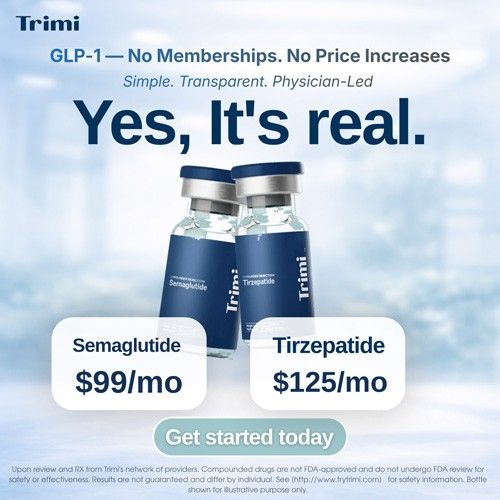
- $129 to $299 per month for semaglutide alternatives
- $200 to $350 per month depending on provider and formulation
Why people consider this option:
- Lower monthly cost
- Faster access in many cases
- Flexible dosing options
Important considerations:
- Not FDA-approved in the same way as brand-name drugs
- Quality depends on pharmacy standards
- Availability has become more regulated in recent years
Pros:
- Most affordable access point
- Widely available through telehealth
- Flexible treatment plans
Cons:
- Regulatory uncertainty
- Variable consistency between providers
- Not identical to brand-name formulations
This option is often chosen by patients prioritizing affordability over brand-name consistency.
Path 4: Discount Programs and Savings Cards (Limited Eligibility)
Many people search for discount cards or coupons, but these programs come with strict requirements.
What you need to know:
- Most savings cards require commercial insurance
- They usually do NOT work for uninsured patients
- Discounts can reduce costs significantly—but only if eligible
For uninsured individuals, this path is often not applicable, but it is still worth checking eligibility if you recently lost insurance.
Path 5: Patient Assistance Programs (Best for Low-Income Patients)
Pharmaceutical companies and nonprofit organizations offer assistance programs designed to help qualifying individuals access medications at reduced or no cost.
Common features:
- Free or heavily discounted medication
- Income-based eligibility
- Application and approval process required
Who qualifies:
- Individuals below certain income thresholds
- Patients without prescription coverage
- People with documented medical need
Pros:
- Potentially very low cost or free access
- Brand-name medication
Cons:
- Application process can take time
- Not guaranteed approval
- Requires documentation
This option is especially valuable for patients with financial hardship.
How to Choose the Right GLP-1 Path Without Insurance
Choosing the right option depends on three key factors:
1. Budget
- Under $150/month → compounded or limited telehealth plans
- $150–$300/month → manufacturer direct programs
- $300+ → brand-name GLP-1 via telehealth or retail access
2. Speed of access
- Fastest: telehealth platforms (1–3 days)
- Moderate: manufacturer programs (1–2 weeks)
- Slowest: assistance programs (weeks to months)
3. Comfort level
- Brand-name stability → manufacturer direct
- Convenience → telehealth
- Lowest cost → compounded options
What Most Uninsured Patients Actually Pay in 2026
Although retail prices are extremely high, real-world costs are much lower due to competition and cash-pay programs.
In 2026, most uninsured patients fall into this range:
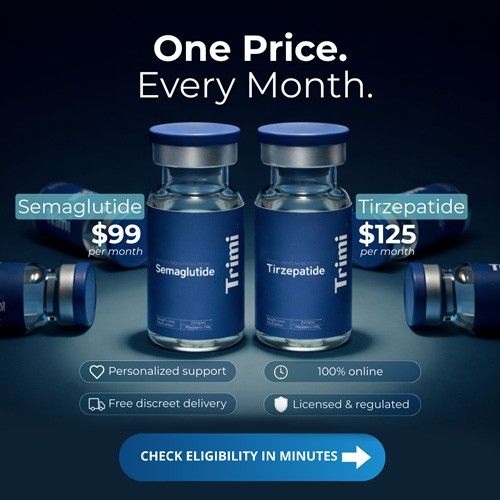
- Low end: $99–$149/month (telehealth or entry-level programs)
- Mid range: $200–$350/month (standard treatment plans)
- Upper range: $350–$450/month (brand-name injectables via direct programs)
This shift has made GLP-1 therapy far more accessible than it was just a few years ago.
Common Mistakes to Avoid When Buying GLP-1 Without Insurance
Many patients run into problems by rushing the process. Avoid these mistakes:
- Choosing unverified providers without medical oversight
- Falling for “too cheap to be true” offers online
- Not confirming pharmacy licensing
- Ignoring dose escalation costs
- Skipping medical consultation
Safe access always involves licensed clinicians and regulated pharmacies.
Is It Worth Getting GLP-1 Without Insurance?
For many patients, yes—especially when used under medical supervision as part of a structured weight management plan.
The key is choosing a legitimate access pathway that balances safety, affordability, and consistency. While uninsured patients do pay more than insured individuals, modern cash-pay systems have made treatment significantly more achievable than in previous years.
Final Thoughts
Getting GLP-1 medications without insurance in 2026 is no longer impossible—it’s a matter of choosing the right pathway.
Whether you go through a telehealth provider, a manufacturer-direct program, or a patient assistance option, there are multiple legitimate ways to access treatment at a fraction of the cost of traditional retail prices.
The most important step is not just finding the lowest price—but ensuring the program is medically supervised, transparent, and sustainable long-term.
References
- https://www.mayoclinic.org/drugs-supplements/semaglutide-subcutaneous-route/description/drg-20406730