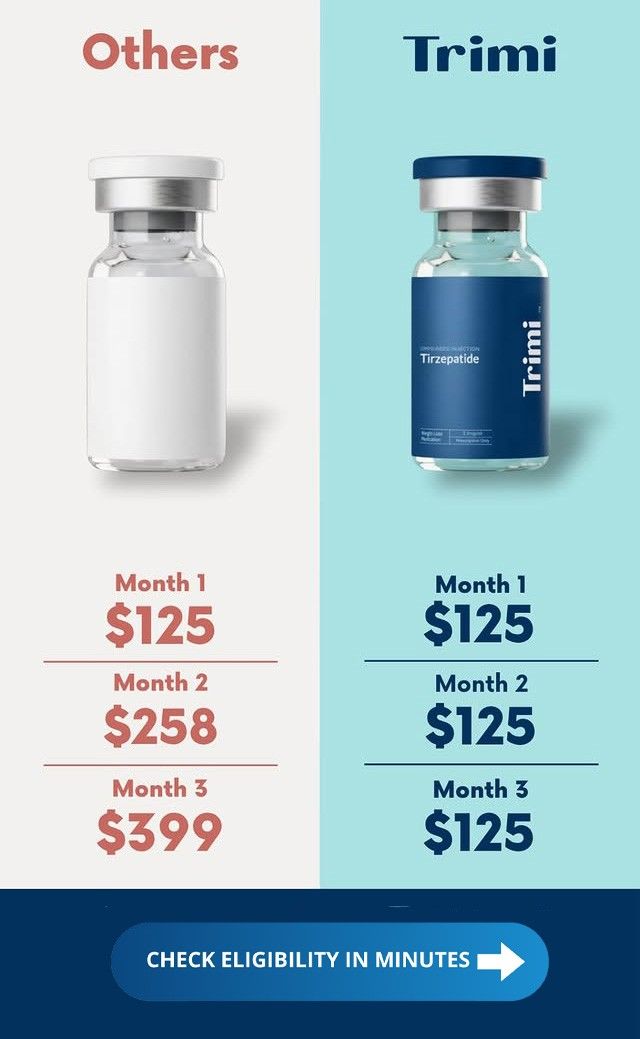
How to Tell if a GLP-1 Clinic Is Legit
GLP-1 medications like semaglutide and tirzepatide have become some of the most in-demand treatments for weight management.
As a result, hundreds of online and in-person “GLP-1 clinics” now advertise fast prescriptions, instant approvals, and discounted programs.
But not all clinics are safe or legitimate.
Some are fully licensed medical providers operating under strict regulations, while others use aggressive marketing, unsafe compounding practices, or even fake prescriptions.
In fact, regulators have issued warnings to telehealth companies for misleading advertising and questionable GLP-1 programs.
This guide breaks down exactly how to tell if a GLP-1 clinic is legit—so you can protect your health, money, and medical safety.
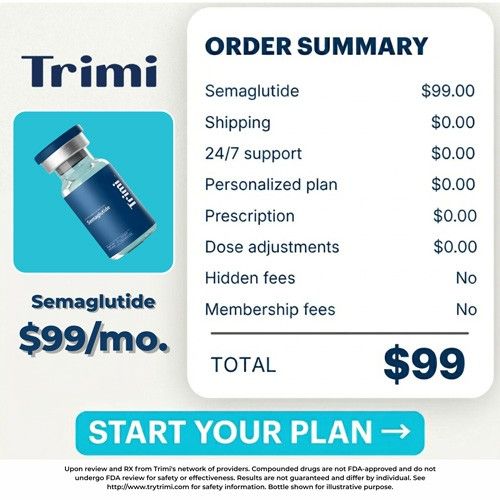
A legit GLP-1 clinic requires medical evaluation, licensed providers, transparent pharmacies, and avoids guaranteed approvals or unrealistic promises.
What a Legit GLP-1 Clinic Actually Is
A legitimate GLP-1 clinic is a healthcare provider that follows medical and pharmacy regulations when prescribing weight-loss medications.
This means:
- Licensed medical professionals evaluate your health
- Prescriptions are issued only when medically appropriate
- FDA-approved medications are prioritized when available
- Medications come from licensed pharmacies
- Proper follow-up care is included
A real clinic is not just a “quick prescription website”—it functions like a medical service.
Red Flags That a GLP-1 Clinic Is NOT Legit
Before anything else, look for warning signs. Many unsafe clinics reveal themselves quickly.
1. No Real Medical Evaluation
If you can get GLP-1 medication without:
- Medical history review
- Lab testing
- Doctor or nurse consultation
…it’s a major red flag.
Legit providers always assess risk factors before prescribing.
2. “Guaranteed Prescription” Claims
No ethical medical provider can guarantee a prescription without an evaluation.
Statements like:
- “Everyone gets approved”
- “No doctor visit needed”
- “Instant GLP-1 approval.”These are strong warning signs of unsafe practices.
3. No Pharmacy Transparency
A real clinic will clearly tell you:
- Which pharmacy dispenses the medication
- Whether it is state-licensed
- Whether the drug is FDA-approved or compounded
If this information is missing or hidden, be cautious.
4. Extremely Cheap Prices That Seem Unrealistic
GLP-1 medications are expensive to manufacture and regulate.
If a clinic offers:
- “$99/month all-inclusive GLP-1 injections”
- “Unlimited supply without prescription verification”
It may indicate counterfeit or unsafe compounded products.
Reports show a growing number of fake or misleading weight-loss drug offers online.
5. No Clear Doctor or Clinic Identity
A legitimate provider always displays:
- Doctor names and credentials
- State medical licenses
- Physical business location or verified telehealth group
If you cannot verify who is prescribing, do not proceed.
6. Pressure Tactics and Aggressive Sales
Be cautious if the clinic uses:
- Countdown timers (“Offer ends today!”)
- Pushy chat agents
- Upselling bundles without consultation
Medical care should never feel like a high-pressure sales funnel.
Key Signs a GLP-1 Clinic IS Legit
Now let’s look at what a trustworthy GLP-1 clinic looks like.
1. Licensed Healthcare Providers Are Involved
A real clinic will clearly show:
- MD (Medical Doctor)
- DO (Doctor of Osteopathic Medicine)
- NP (Nurse Practitioner)
- PA (Physician Assistant)
Even more important: they are licensed in your state.
Legitimate telehealth prescribing requires proper state licensing and legal authority to prescribe medications.
2. Proper Medical Screening Is Required
A legitimate GLP-1 clinic will ask for:
- Weight and BMI
- Medical history (diabetes, thyroid issues, etc.)
- Current medications
- Bloodwork (often required)
- Lifestyle habits
This ensures GLP-1 therapy is safe for you—not just available.
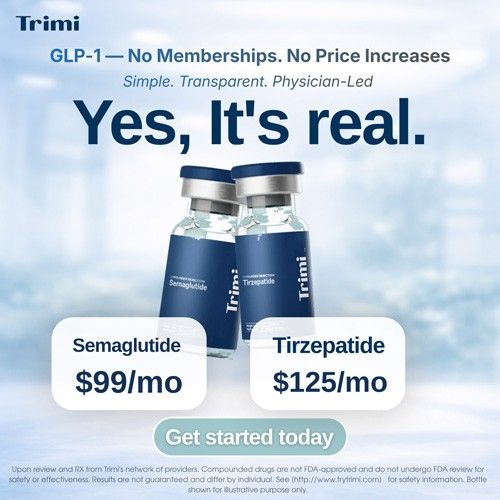
3. FDA-Approved Medication Is Prioritized
A trustworthy clinic will clearly explain:
- Whether the medication is FDA-approved
- Whether compounded versions are used (and why)
- Risks of non-approved formulations
The FDA warns that compounded GLP-1 drugs are not evaluated for safety or effectiveness before distribution.
A legit clinic never hides this distinction.
4. Medication Comes from a State-Licensed Pharmacy
This is one of the most important checks.
A legitimate GLP-1 clinic will:
- Use U.S.-licensed pharmacies
- Provide pharmacy details on request
- Allow verification of pharmacy credentials
FDA guidance also recommends obtaining medications from licensed pharmacies to ensure safety.
5. Clear Treatment Plan and Follow-Ups
A real GLP-1 clinic does not disappear after prescribing.
You should receive:
- Dose titration plan (gradual increase)
- Monthly or weekly check-ins
- Side effect monitoring
- Adjustment support
If follow-up care is missing, the clinic is not medically responsible.
6. Transparent Pricing With No Hidden Fees
Legitimate providers clearly list:
- Consultation fees
- Medication costs
- Monthly subscription charges (if any)
- Refill policies
Hidden billing or unclear subscription models are red flags.
Questions to Ask Before Choosing a GLP-1 Clinic
Use these questions as your safety checklist:
- Who is the licensed prescriber?
- Is the medication FDA-approved or compounded?
- Which pharmacy fills the prescription?
- Is lab testing required?
- What happens if I experience side effects?
- Can I see your medical license credentials?
- What is included in the monthly cost?
A real clinic will answer all of these clearly and confidently.
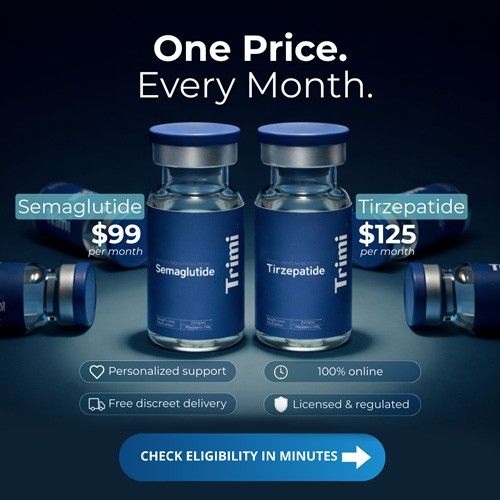
Compounded vs FDA-Approved GLP-1 Medications
Many online clinics now offer compounded GLP-1 drugs.
Here’s what you should know:
FDA-Approved GLP-1s
- Clinically tested
- Strict manufacturing standards
- Higher cost but more regulated safety
Compounded GLP-1s
- Mixed or customized by pharmacies
- Not FDA-reviewed for safety or effectiveness
- Quality depends heavily on pharmacy standards
Legit clinics are transparent about both options and do not misrepresent compounded versions as identical to FDA-approved medications.
Why Fake or Unregulated GLP-1 Clinics Exist
The demand for GLP-1 medications has exploded due to weight-loss success stories and shortages.
This created:
- Online scams selling fake drugs
- Telehealth platforms are using aggressive marketing
- Unregulated pharmacies produce unsafe compounds
Authorities have already warned multiple telehealth companies for making misleading claims about GLP-1 products.
Real-World Risks of Choosing the Wrong Clinic
Using an illegitimate clinic can lead to:
- Incorrect dosing
- Fake or contaminated medication
- Severe side effects
- Financial fraud or subscription traps
- Lack of medical support during complications
Some counterfeit weight-loss drugs have been found to have dangerously inconsistent ingredients in real-world investigations.
Final Checklist: Is the GLP-1 Clinic Legit?
Before signing up, confirm:
✔ Licensed medical provider
✔ Proper health evaluation required
✔ Transparent pharmacy information
✔ FDA-approved medication explained
✔ No unrealistic guarantees
✔ Clear pricing structure
✔ Ongoing medical support
If even 2–3 of these are missing, it’s best to avoid the clinic.
Conclusion
Choosing a GLP-1 clinic is not just a financial decision—it is an important medical safety choice that directly impacts your health outcomes.
A legitimate clinic will always prioritize proper evaluation, licensed healthcare oversight, safe prescribing practices, and transparent communication about medications and pharmacies. These are the core foundations of responsible medical care and should never be skipped or rushed.
If a provider focuses more on instant approvals, unrealistic promises, or aggressive marketing instead of a proper medical assessment, it is a strong warning sign.
The safest approach is to work only with clinics that operate like real healthcare providers, where your treatment is guided by qualified professionals, monitored over time, and supported with ongoing care rather than treated as a quick transaction.