Hidden Costs of Online GLP-1 Programs: Facts Revealed
Online GLP-1 weight loss programs have become one of the fastest-growing trends in modern healthcare. With medications like semaglutide and tirzepatide widely used for weight management, many telehealth platforms now advertise “affordable monthly plans” that appear simple, transparent, and convenient.
However, many overlook the true total cost of treatment, which is often much higher than the advertised price.
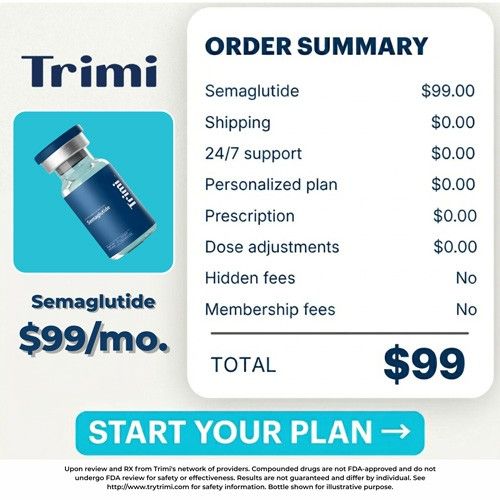
Most users initially see attractive offers such as “$99/month GLP-1 program” or “starting at $149 per month,” but these figures rarely include the full scope of expenses required for ongoing treatment.
GLP-1 therapies are prescription-based medications that require continuous clinical supervision, dosage adjustments, lab monitoring, and often separate pharmacy billing
As a result, patients may encounter multiple layers of costs that are not obvious at the beginning of enrollment.
Understanding these hidden costs is essential before committing to any online GLP-1 program, especially since obesity treatment is long-term and not a one-time purchase.
This article breaks down the most important hidden expenses, how they are structured, and what patients should watch for when evaluating telehealth weight loss programs.
What Are Online GLP-1 Programs?
Online GLP-1 programs generally combine telehealth services with medical evaluation and, when appropriate, prescription treatment.
Depending on the program, patients may communicate with a licensed healthcare professional through video visits, questionnaires, messaging, or other virtual services.
GLP-1-related medications used in weight management include drugs such as semaglutide. Tirzepatide is also used for chronic weight management and acts on both GIP and GLP-1 receptors.
The FDA has approved specific medications, including Wegovy and Zepbound, for chronic weight management in appropriate patients. However, an online program is not necessarily the same thing as the medication itself.
A company may advertise a monthly program fee while charging separately for other parts of treatment. That is why understanding the full pricing structure matters.
The Illusion of Low Monthly Pricing
One of the biggest marketing strategies used by online GLP-1 providers is the “starting at” pricing model. At first glance, this seems affordable and straightforward.
For example, some programs advertise membership fees of around $99–$149 per month, but this often represents only the platform access fee, not the actual medication cost.
Research into telehealth weight loss platforms shows that advertised pricing often excludes medication and add-on services, which can significantly increase the total monthly expense.
In reality, the base subscription may only cover provider access, messaging, or coaching, not the GLP-1 drug itself.
This creates a pricing gap that surprises many patients after enrollment. What starts as a $99/month plan can quickly escalate to $300–$600+ monthly depending on medication type, dosage, and insurance coverage.
👉 GLP-1 Starting At $59 Per Month – 100% Online
Hidden Cost #1: Medication Expenses Not Included in Membership
The highest hidden cost in GLP-1 programs is the actual medication price. Drugs like semaglutide (Ozempic/Wegovy) or tirzepatide (Zepbound) are expensive when paid out-of-pocket.
Even when online programs advertise low membership fees, they often bill medication separately through partner pharmacies.
For instance, GLP-1 treatments can start around $149/month or significantly higher, depending on dosage and formulation.
Patients frequently assume the subscription includes medication, but in most cases it does not. This separation of costs is one of the primary reasons users experience unexpected billing increases after the first month.
Hidden Cost #2: Membership Fees That Stack Monthly
Another overlooked expense is the ongoing membership fee structure. Most online GLP-1 programs operate on recurring subscriptions that do not pause even if medication is delayed or discontinued.
Some platforms charge:
- Monthly clinical access fees
- Coaching or behavioral support fees
- Platform maintenance or “program fee”
- Separate pharmacy coordination charges
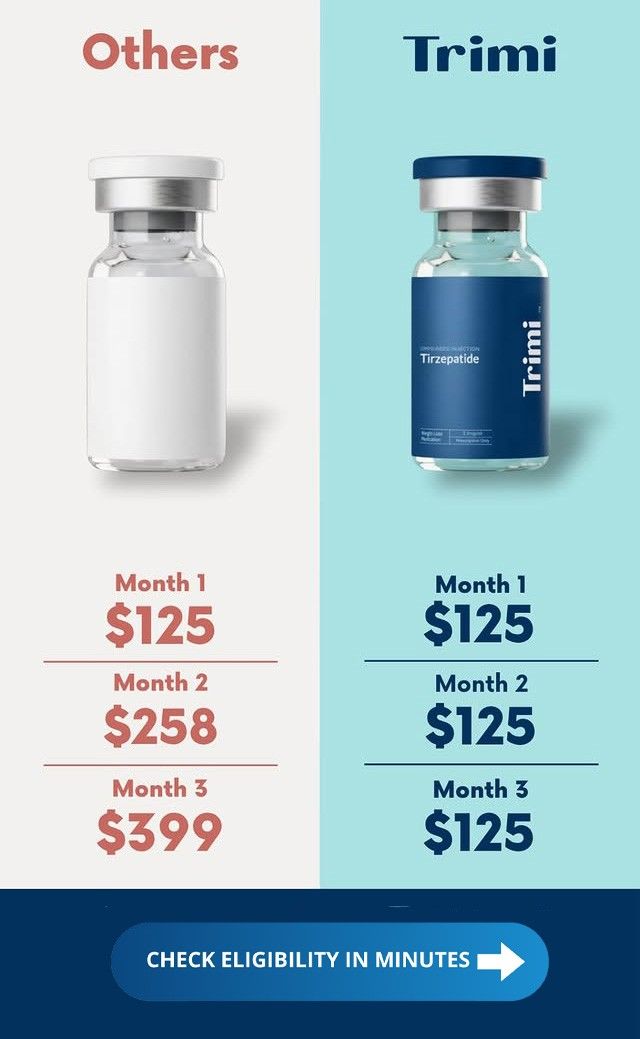
According to industry pricing models, many services start with low introductory pricing but increase after the first month or require long-term commitments that lock patients into recurring payments.
Over time, these stacked fees can exceed the cost of the medication itself, especially for patients on higher-dose GLP-1 therapy.
Hidden Cost #3: Dose Escalation Increases Monthly Price
GLP-1 medications are not static in dosage. Treatment typically begins with a low starter dose and gradually increases over weeks or months to improve effectiveness and reduce side effects.
This creates a hidden pricing factor: higher doses often cost more.
Many telehealth platforms do not clearly advertise that:
- Initial pricing applies only to starting doses
- Maintenance doses may cost significantly more
- Pricing tiers change as treatment progresses
For example, a patient may begin at $149/month but later transition to $300–$500/month once titration reaches therapeutic levels. This escalation is medically necessary but financially unexpected for many users.
Hidden Cost #4: Consultation and Medical Visit Fees
While many platforms promote “free consultations,” the reality is more complex. Some programs include:
- One-time onboarding fees
- Paid follow-up visits
- Extra charges for physician reviews
- Fees for prescription adjustments
In some systems, each provider interaction beyond basic messaging may cost extra. These fees are not always visible during signup and may appear only after treatment begins.
Even platforms that claim no hidden fees often separate consultation costs from medication costs, which can confuse the true monthly total.
👉 Try the Best GLP-1 of 2026 That’s Working for Thousands
Hidden Cost #5: Lab Tests and Health Screening Expenses
Before prescribing GLP-1 medications, many providers require baseline lab tests. These may include:
- Blood glucose levels
- Liver function tests
- Kidney function panels
- Lipid profiles
Depending on the platform, these tests may not be included in the program fee. Patients may need to pay separately through:
- Partner laboratories
- Local diagnostic centers
- Insurance co-pays or out-of-pocket billing
These costs can range widely depending on location and insurance coverage, adding another layer to total treatment expense.
Hidden Cost #6: Insurance Limitations and Prior Authorization Delays
Insurance coverage for GLP-1 medications is inconsistent. Even when GLP-1 therapy is medically indicated, patients often face:
- Prior authorization requirements
- Partial coverage only
- High deductibles
- Denied claims for weight loss indications
This results in patients paying full cash prices despite having insurance. In many cases, telehealth providers assist with paperwork, but approval is not guaranteed.
As a result, many users end up switching to self-pay models, which significantly increases monthly cost predictability but reduces affordability.
Hidden Cost #7: Compounded Medication Risks and Variable Pricing
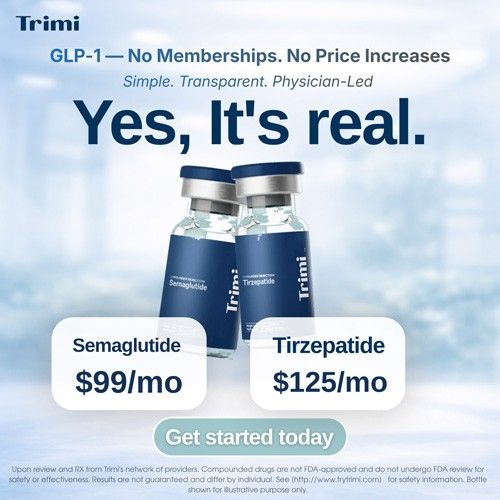
Some online programs offer compounded GLP-1 alternatives at lower prices. While this may appear cost-saving, it introduces variability in:
- Pricing consistency
- Quality assurance
- Regulatory oversight
- Long-term availability
Compounded options may be cheaper initially but can fluctuate in price or availability depending on pharmacy supply chains and regulatory changes. Patients may face sudden program switches or unexpected price adjustments.
Hidden Cost #8: Shipping, Handling, and Pharmacy Fees
Another frequently overlooked cost is logistics. Many telehealth GLP-1 programs include:
- Shipping fees for medication delivery
- Cold-chain handling charges for injectables
- Pharmacy dispensing fees
- Express delivery surcharges
While these may seem small individually, they add up over long-term treatment cycles, especially for weekly injectable medications requiring temperature-controlled transport.
Hidden Cost #9: Long-Term Commitment and Dependency Costs
GLP-1 therapy is often a long-term treatment. Patients who stop medication frequently regain weight, which leads many to continue therapy for extended periods.
This creates a hidden financial reality:
- Monthly costs continue indefinitely
- No clear endpoint for treatment
- Long-term budgeting required (often years)
- Gradual cumulative expense becomes significant
Even at moderate monthly pricing, annual costs can reach several thousand dollars, making long-term affordability a major consideration.
Hidden Cost #10: Psychological and Lifestyle Support Upsells
Many programs bundle or upsell additional services such as:
- Nutrition coaching
- Fitness planning
- Behavioral therapy sessions
- Premium tracking apps
While helpful, these services are often optional add-ons that increase total monthly cost. Patients may feel pressured to subscribe to better results, further increasing financial commitment beyond medication alone.
👉 Forbes Reveals Clear GLP-1 Winner For Affordability 2026
Avoid Trying to Lose Weight as Quickly as Possible
Rapid weight loss is not necessarily the goal. A sustainable approach can make it easier to maintain adequate nutrition and physical activity while your body weight changes.
The appropriate rate of weight loss varies by person and depends on factors such as starting weight, health conditions, medications, and treatment goals.
If you are losing weight very quickly or struggling to eat enough, speak with your healthcare provider. Your treatment plan may need review.
Sample Meal Ideas for Supporting Muscle
You do not need complicated recipes to build protein-rich meals.
Breakfast
- Greek yogurt with berries and nuts
- Eggs with whole-grain toast
- Cottage cheese with fruit
Lunch
- Grilled chicken salad
- Turkey and vegetable wrap
- Lentil bowl with vegetables
Dinner
- Salmon with vegetables and potatoes
- Chicken with brown rice and roasted vegetables
- Tofu stir-fry with vegetables
Snacks
- Greek yogurt
- Cottage cheese
- Hard-boiled eggs
- Edamame
- Nuts
- Hummus with vegetables
Choose foods that fit your dietary preferences and medical needs.
Common Mistakes That Can Contribute to Muscle Loss
Several habits can make muscle maintenance more difficult during weight loss.
- Eating too little protein: A reduced appetite can lower protein intake without you realizing it.
- Skipping strength training: Cardio is valuable, but muscles also benefit from resistance-based exercise.
- Following an overly restrictive diet: Severe restriction can make it difficult to meet nutritional needs.
- Ignoring recovery: Insufficient sleep and excessive training can interfere with your ability to maintain a consistent routine.
- Focusing only on the scale: Body weight does not tell you everything about changes in muscle, fat, strength, or physical function.
When Should You Talk With Your Healthcare Provider?
Talk with your healthcare professional if you experience significant weakness, difficulty eating enough, persistent gastrointestinal symptoms, rapid unintended weight loss, or concerns about your muscle mass.
A healthcare professional can review your medication, nutrition, activity level, and overall health.
You may also benefit from working with a registered dietitian or qualified fitness professional who understands your medical needs.
Why These Hidden Costs Matter
The growing popularity of GLP-1 therapies has made online access easier than ever, but affordability is often misunderstood.
The combination of medication pricing, membership structures, lab work, and long-term use creates a multi-layered financial system that isn’t always transparent at first glance.
In fact, healthcare cost analyses show that GLP-1 medications have become one of the biggest drivers of rising pharmacy spending in recent years. This highlights why pricing transparency matters for patients evaluating online programs.
Understanding these hidden costs allows patients to:
- Plan realistic budgets
- Avoid unexpected billing
- Compare programs more effectively
- Choose safer, more transparent providers
👉 Get GLP-1 At $59 Per Month (Limited Time Offer)
How to Evaluate Online GLP-1 Programs Safely
Before enrolling in any telehealth weight loss program, patients should ask:
- Does the monthly fee include medication?
- Are dosage increases included in pricing?
- Are lab tests covered or separate?
- Are there consultation or follow-up charges?
- What happens if insurance denies coverage?
Programs that clearly separate medication, services, and optional add-ons are often easier to understand and budget for long-term.
Conclusion
Online GLP-1 programs have made advanced weight loss treatments more accessible, but the advertised pricing often tells only part of the story.
Behind the low monthly fees, patients may encounter medication costs, lab charges, membership tiers, dose-based price increases, and long-term treatment expenses that significantly affect affordability.
The most important takeaway is that GLP-1 therapy is not a simple subscription; it is a continuous medical treatment with multiple cost layers.
Understanding these hidden expenses allows patients to make informed decisions, avoid financial surprises, and choose programs that align with both their health goals and budget.
When evaluated carefully, online GLP-1 programs can still be highly effective and valuable. However, transparency, long-term planning, and full cost awareness are essential for a safe and sustainable experience.
References
.
About Us