Nerve Pain Medication to Treat Neuropathy: Relief Options
Neuropathy is one of the most complex chronic pain conditions encountered in modern medicine. It affects millions of people worldwide and is commonly described as burning, stabbing, tingling, or electric shock–like pain caused by damaged or dysfunctional nerves.
When searching for nerve pain medication to treat neuropathy, patients are often looking for meaningful relief that improves sleep, mobility, and quality of life rather than a complete “cure,” because nerve damage in many cases is long-term or progressive.
Unlike muscle or joint pain, neuropathic pain does not respond well to traditional over-the-counter pain relievers.
This is because the pain originates from abnormal nerve signaling rather than inflammation or injury alone. As a result, treatment requires targeted medications that act on the nervous system itself.
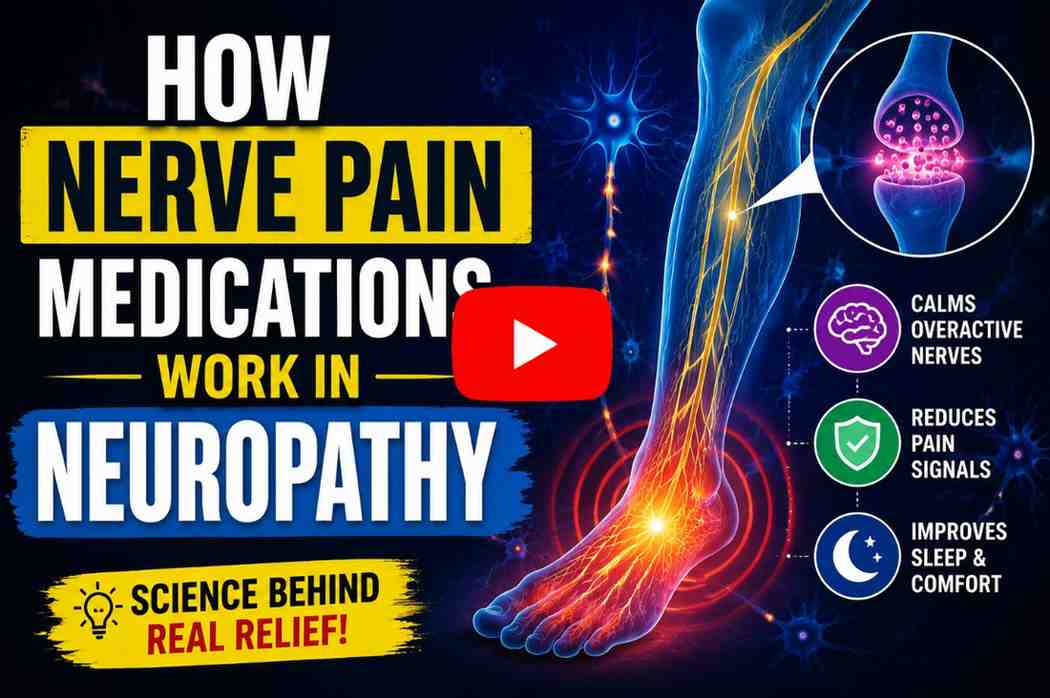

This guide provides a deep clinical overview of medications used for neuropathy, how they work, how doctors choose them, and what patients should expect during treatment.
Understanding Neuropathy and the Nature of Nerve Pain
Neuropathy refers to damage or dysfunction of peripheral nerves, which are responsible for transmitting signals between the brain, spinal cord, and the rest of the body.
When these nerves are damaged, they may misfire, send pain signals without a stimulus, or fail to transmit normal sensory information.
The most common type is peripheral neuropathy, which typically affects the feet and hands first in a “glove and stocking” pattern.
However, neuropathy can also affect autonomic nerves (controlling digestion, heart rate, and blood pressure) and motor nerves (controlling movement).
Common causes include:
- Diabetes (most common cause globally)
- Chemotherapy-induced nerve damage
- Alcohol misuse
- Vitamin deficiencies (especially B12)
- Autoimmune diseases
- Viral infections like shingles
- Physical trauma or nerve compression
According to clinical sources, neuropathic pain is classified as a maladaptive nervous system response, meaning the nerves continue sending pain signals even without ongoing injury. This is why treatment must focus on calming nerve activity rather than just blocking pain perception.
Why Standard Painkillers Often Fail in Neuropathy
A key challenge in treating neuropathy is that common analgesics like ibuprofen or acetaminophen are often ineffective.
These drugs primarily target:
- Inflammation (NSAIDs)
- Mild pain signaling (acetaminophen)
However, neuropathic pain originates from:
- Electrical misfiring of nerves
- Central nervous system sensitization
- Abnormal neurotransmitter activity
Because of this mismatch, doctors rely on specialized medications designed specifically for nerve-related pain pathways.
How Nerve Pain Medications Work in Neuropathy
Medications used for neuropathy typically work through one or more of the following mechanisms:
1. Stabilizing nerve activity
They reduce excessive electrical firing in damaged nerves.
2. Modulating neurotransmitters
They increase or balance brain chemicals like serotonin and norepinephrine that regulate pain perception.
3. Blocking pain signal transmission
They reduce the ability of nerves to send pain messages to the brain.
4. Reducing central sensitization
They calm overactive pain processing centers in the spinal cord and brain.
These mechanisms explain why neuropathy medications are often also used for depression, epilepsy, and anxiety disorders—they act on shared neurological pathways.
First-Line Nerve Pain Medications to Treat Neuropathy
Clinical guidelines consistently recommend two main categories as first-line therapy: anticonvulsants and antidepressants.
1. Anticonvulsants (Gabapentin and Pregabalin)
Anticonvulsants are among the most widely prescribed nerve pain medications to treat neuropathy.
Gabapentin (Neurontin)
Gabapentin works by binding to calcium channels in nerve cells, reducing excessive neurotransmitter release.
Pregabalin (Lyrica)
Pregabalin is a more potent and faster-absorbing version of gabapentin with more predictable absorption.
Clinical role:
- Diabetic neuropathy
- Postherpetic neuralgia
- Spinal nerve pain
- Chemotherapy-induced neuropathy
Benefits:
- Reduces burning and shooting pain
- Improves sleep quality
- Reduces nerve hypersensitivity
- Helps decrease nighttime flare-ups
Side effects:
- Drowsiness
- Dizziness
- Weight gain
- Mild swelling in extremities
Pregabalin often shows faster onset of relief (within days), while gabapentin may require gradual dose titration over weeks for optimal effect.
2. Antidepressants for Neuropathic Pain
Certain antidepressants are highly effective in nerve pain management due to their action on pain-regulating neurotransmitters.
Duloxetine (SNRI)
Duloxetine increases serotonin and norepinephrine levels, enhancing pain control pathways in the brain and spinal cord.
Amitriptyline and Nortriptyline (TCAs)
These older antidepressants are highly effective for chronic nerve pain at low doses.
Clinical role:
- Diabetic neuropathy (especially duloxetine)
- Chronic widespread neuropathic pain
- Sleep-disrupting nerve pain
Benefits:
- Reduces persistent burning pain
- Improves mood and emotional resilience
- Enhances sleep quality
- Helps chronic pain adaptation
Side effects:
- Dry mouth
- Constipation
- Sedation (especially TCAs)
- Dizziness
- Weight changes in long-term use
These medications are often started at very low doses and gradually increased to minimize side effects.
Second-Line Nerve Pain Treatments
When first-line medications are insufficient, additional treatment options are considered.
1. Topical Treatments
Topical medications are useful for localized neuropathy, especially when pain is confined to specific areas.
Lidocaine patches
- Numbs local nerve endings
- Provides targeted pain relief
- Minimal systemic absorption
Capsaicin cream or patches
- Works by desensitizing pain receptors (TRPV1 receptors)
- May cause initial burning sensation before relief
Advantages:
- Low systemic side effects
- Can be combined with oral medications
- Useful for elderly patients
2. Tramadol and Weak Opioids
Tramadol may be used in severe neuropathic pain when other treatments fail.
However:
- Not first-line due to dependency risk
- Limited effectiveness in true nerve pain
- Used only short-term under supervision
Combination Therapy in Neuropathy
Many patients require combination therapy for optimal relief.
Common combinations include:
- Gabapentin + duloxetine
- Pregabalin + amitriptyline
- Lidocaine patches + oral medications
- Anticonvulsant + SNRI therapy
Combination therapy allows:
- Lower doses of each medication
- Reduced side effects
- Better overall pain control
- Improved sleep and function
Medication Selection Based on Neuropathy Type
Different causes of neuropathy respond differently to treatment.
Diabetic Neuropathy
- First-line: duloxetine or pregabalin
- Long-term glucose control essential
- Often requires combination therapy
Postherpetic Neuralgia
- Gabapentin or pregabalin
- Lidocaine patches highly effective
- Pain may persist for months or years
Chemotherapy-Induced Neuropathy
- Duloxetine most studied option
- Symptom-based treatment approach
Idiopathic Neuropathy
- Trial-and-error medication approach
- Requires close monitoring and adjustment
Treatment Timeline: What Patients Can Expect
Neuropathy medications do not provide instant relief.
Week 1–2:
- Mild reduction in nerve firing
- Possible side effects (drowsiness, dizziness)
Week 3–6:
- Noticeable reduction in burning and tingling
- Improved sleep quality
- Dose adjustments often made
Week 6–12:
- Stable pain control
- Combination therapy may be introduced
- Improved daily functioning
Long-term management is often required for chronic neuropathy.
Why Neuropathy Is Difficult to Treat
Neuropathy is challenging because:
- Nerve damage may be irreversible
- Pain pathways become “rewired”
- Central sensitization maintains pain signals
- Multiple underlying causes may coexist
Even with effective medication, complete elimination of pain is not always achievable. Instead, treatment focuses on reducing pain intensity and improving function.
Safety and Monitoring Considerations
Patients on neuropathy medications should be monitored for:
- Sedation and cognitive slowing
- Drug interactions
- Kidney function (gabapentin/pregabalin)
- Liver function (duloxetine)
- Mood changes
Gradual dose titration is essential for minimizing side effects and improving tolerance.
Lifestyle Support Alongside Medication
Medication is most effective when combined with supportive lifestyle changes:
- Tight blood sugar control (for diabetic neuropathy)
- Regular low-impact exercise (walking, swimming)
- Vitamin B12 and nutritional optimization
- Smoking cessation
- Stress reduction techniques
- Proper sleep hygiene
These interventions help reduce nerve irritation and support overall neurological health.
Emerging and Advanced Treatments
Research continues to explore new therapies for neuropathy:
- Nerve growth factor therapies
- Spinal cord stimulation devices
- High-concentration capsaicin patches
- Alpha-lipoic acid and antioxidant therapy
- Regenerative medicine approaches
These are typically reserved for severe or treatment-resistant cases.
Conclusion
Choosing the right nerve pain medication to treat neuropathy requires a personalized, step-by-step medical approach.
First-line therapies such as gabapentin, pregabalin, duloxetine, and amitriptyline remain the cornerstone of treatment due to strong clinical evidence and widespread medical use.
While neuropathy can be chronic and difficult to fully reverse, many patients achieve meaningful improvement with the right medication plan, dosage adjustments, and supportive lifestyle changes.
The goal of treatment is not only pain reduction but also improved sleep, mobility, and overall quality of life.
With careful medical supervision and consistent management, neuropathy symptoms can often be significantly controlled, allowing patients to return to more comfortable daily living.
References
- https://www.healthline.com/health/peripheral-neuropathy
- https://www.webmd.com/brain/what-is-peripheral-neuropathy
- https://www.ncbi.nlm.nih.gov/pmc/articles/PMC11747324/
.
About Us