Horse Salt Trick Video : Explained Myths Facts and Truth
The internet is full of strange wellness trends, and one of the most searched and most controversial in recent times is the “horse salt trick video.”
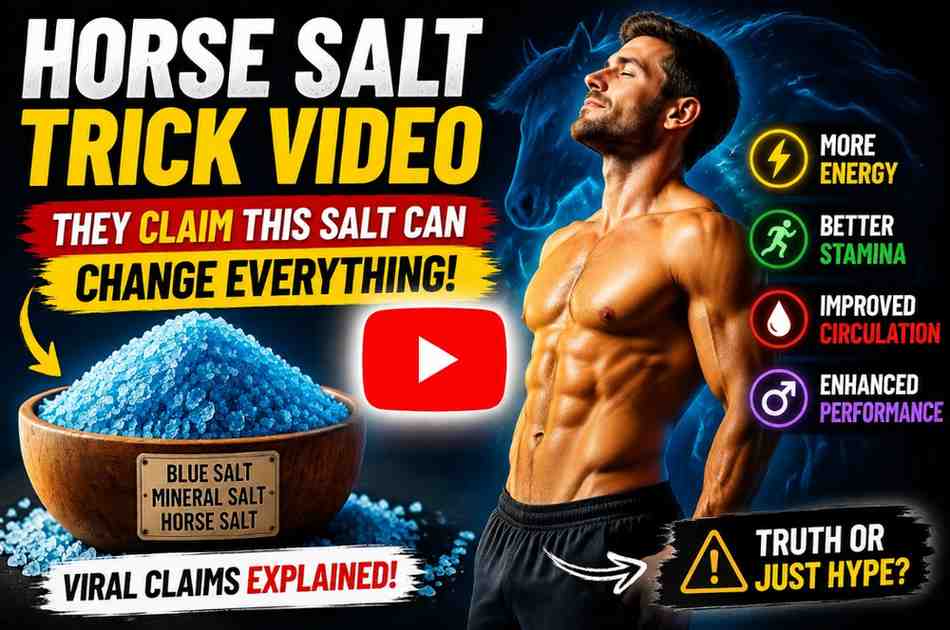
These videos claim that a special type of salt often referred to as blue salt, mineral salt, or horse salt can dramatically improve male energy, stamina, circulation, and even sexual performance.
This content spreads rapidly on platforms like YouTube, TikTok, and Facebook because it combines curiosity, shock value, and promises of fast results.
However, most of these claims are not backed by medical science and are often exaggerated for clicks, engagement, or product marketing.
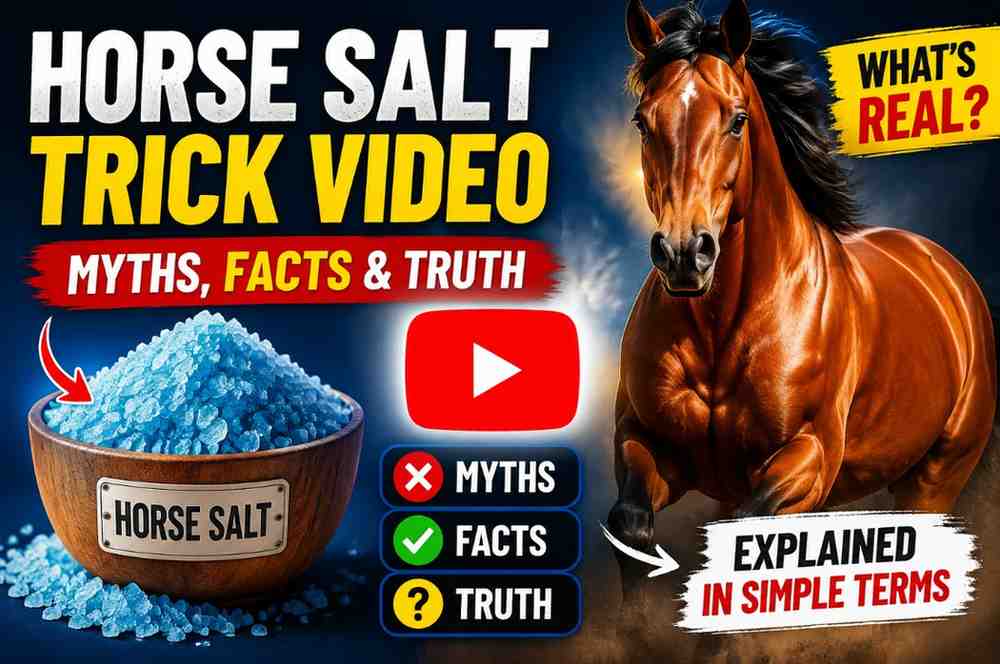

In this article, we will break down what the horse salt trick video actually shows, where it comes from, what it claims, and what science says about it. We will also explore the potential risks and the truth behind electrolyte use in human health.
What Is the “Horse Salt Trick Video”?
The “horse salt trick video” is not a medical procedure or a verified health practice. Instead, it is a viral online trend in which creators claim that consuming certain types of salt, usually labeled as horse salt or mineral salt, can improve male performance.
These videos typically show:
- A person mixing salt into water or consuming a mineral mixture
- Claims of increased stamina or energy within days
- References to “ancient tricks” or “secret formulas.”
- Emotional storytelling or dramatic transformation claims
However, investigations and expert breakdowns suggest these videos are primarily marketing content or misinformation, often designed to push supplements or unrelated products.
The phrase “horse salt” itself usually refers to salt blocks or electrolyte supplements designed for animals, not humans.
Where Did the Horse Salt Trick Trend Come From?
The origin of the trend is tied to social media marketing tactics that rely on curiosity-driven storytelling. Short-form videos often use phrases like “don’t try this until you see this” or “ancient secret revealed” to attract viewers.
Several patterns helped the trend grow:
- Misuse of scientific-sounding terms like electrolytes and minerals
- AI-generated or scripted testimonial-style videos
- Repackaging of simple substances like salt into “secret remedies.”
- Association with male vitality or performance topics
Similar viral trends, such as the “blue salt trick,” “honey trick,” or “gelatin trick,” follow the same formula of mixing basic household substances with exaggerated health claims.
In reality, most of these claims have no clinical backing and are part of a broader category of viral wellness misinformation.
What Horse Salt Actually Is
Despite its dramatic name, horse salt is not a special performance enhancer.
It is typically:
- A mineral salt block or loose electrolyte mix used in animal care
- Designed to help horses replace sodium, potassium, and other minerals lost through sweat
- Formulated for animal physiology, not human consumption
Horses require large amounts of electrolytes due to their size and physical activity. These salt blocks allow them to self-regulate intake.
For humans, however, electrolyte needs are very different and must be carefully balanced through diet or human-formulated supplements.
The Science Behind Electrolytes in the Body
Electrolytes such as sodium, potassium, calcium, and magnesium are essential for normal body function.
They help regulate:
- Nerve signals
- Muscle contractions
- Hydration balance
- Blood pressure stability
When you sweat or lose fluids, electrolytes are depleted. In such cases, replenishing them through proper hydration or sports drinks can help restore balance.
However, scientific evidence clearly shows that electrolytes do not act as hormonal boosters or sexual enhancers. They support basic physiological function, not performance enhancement beyond normal limits.
This is an important distinction often ignored in viral “horse salt trick” content.
Why the Horse Salt Trick Claim Is Misleading
The central problem with the horse salt trick narrative is the misinterpretation of basic biology.
Here’s what gets distorted:
1. Electrolytes ≠ Performance Enhancers
They maintain balance but do not increase testosterone or libido.
2. Animal Products ≠ Human Supplements
Horse salt is not tested or dosed for human safety.
3. Short-Term Energy ≠ Long-Term Improvement
Any perceived energy boost is often due to hydration changes, not a “trick.”
4. Marketing Influence
Many videos are designed to lead viewers toward paid supplements or websites.
According to health discussions and fact-check analyses, these claims fall into the category of viral health myths rather than scientific facts.
Possible Risks of Trying Horse Salt Products
While salt itself is not dangerous in normal dietary amounts, misuse of concentrated or animal-formulated salt products can create health risks.
1. Excess Sodium Intake
Too much salt can increase blood pressure and strain the cardiovascular system.
2. Electrolyte Imbalance
Improper intake can disrupt fluid balance, leading to fatigue or muscle issues.
3. Digestive Discomfort
High mineral concentration may cause nausea or stomach irritation.
4. Misplaced Trust in False Remedies
Relying on viral tricks can delay proper medical consultation for real health issues.
Medical experts consistently emphasize moderation and caution when dealing with non-human supplements.
Why These Videos Go Viral So Easily
The “horse salt trick video” is part of a larger trend of viral wellness content that spreads quickly online due to psychological triggers.
Key reasons include:
- Curiosity gap: People want to know the secret trick.
- Quick-fix appeal: Promises of instant improvement
- Emotional targeting: Focus on confidence, stamina, or masculinity
- Algorithm boost: Short videos are prioritized by social media platforms
- Pseudo-science language: Makes claims sound believable
Research on viral short videos shows that emotionally engaging, simple narratives often outperform factual medical explanations in terms of reach and engagement.
What Actually Works for Energy and Performance
Instead of viral tricks, science supports a few proven lifestyle approaches for improving energy and male wellness.
- Balanced Nutrition: A diet rich in proteins, healthy fats, fruits, and vegetables supports hormonal and metabolic health.
- Regular Exercise: Strength training and cardio improve circulation, stamina, and cardiovascular health.
- Quality Sleep: Sleep is essential for hormone regulation, including testosterone balance.
- Stress Control: High stress levels negatively affect energy, mood, and performance.
- Proper Hydration: Using human-formulated electrolyte drinks during heavy activity is beneficial when needed.
These methods are slow but scientifically validated, unlike viral shortcuts.
Final Thoughts on the Horse Salt Trick Video
The “horse salt trick video” is best understood as a viral internet myth built on partial truths and exaggerated claims. While electrolytes are essential for human health, there is no scientific evidence that horse salt or similar animal-based mineral products enhance male performance, testosterone, or sexual health.
The popularity of these videos reflects a broader trend where simple substances are rebranded as “secret cures” for complex human health concerns. Unfortunately, this can lead people away from real, evidence-based health solutions.
If the goal is better energy, stamina, or wellness, the safest and most effective path remains consistent lifestyle habits supported by medical science, not viral shortcuts from social media.
References
- https://www.healthline.com/nutrition/electrolytes
- https://www.webmd.com/diet/what-are-electrolytes
- https://pubmed.ncbi.nlm.nih.gov/
.
About Us