
Cinnamon and Salt Drink Benefits: Science, Recipe & Uses
Cinnamon is a widely used spice that has gained attention for its potential role in supporting healthy blood sugar levels, insulin sensitivity, and glucose metabolism.
Because of these properties, cinnamon-based drinks have become popular among people looking for simple natural ways to support metabolic wellness.
The cinnamon and salt drink combines cinnamon with a small amount of salt to create a simple homemade beverage that is often discussed for its possible wellness benefits.
While cinnamon has been studied for blood sugar support, this drink should be considered part of a healthy lifestyle and not a replacement for medical treatment.
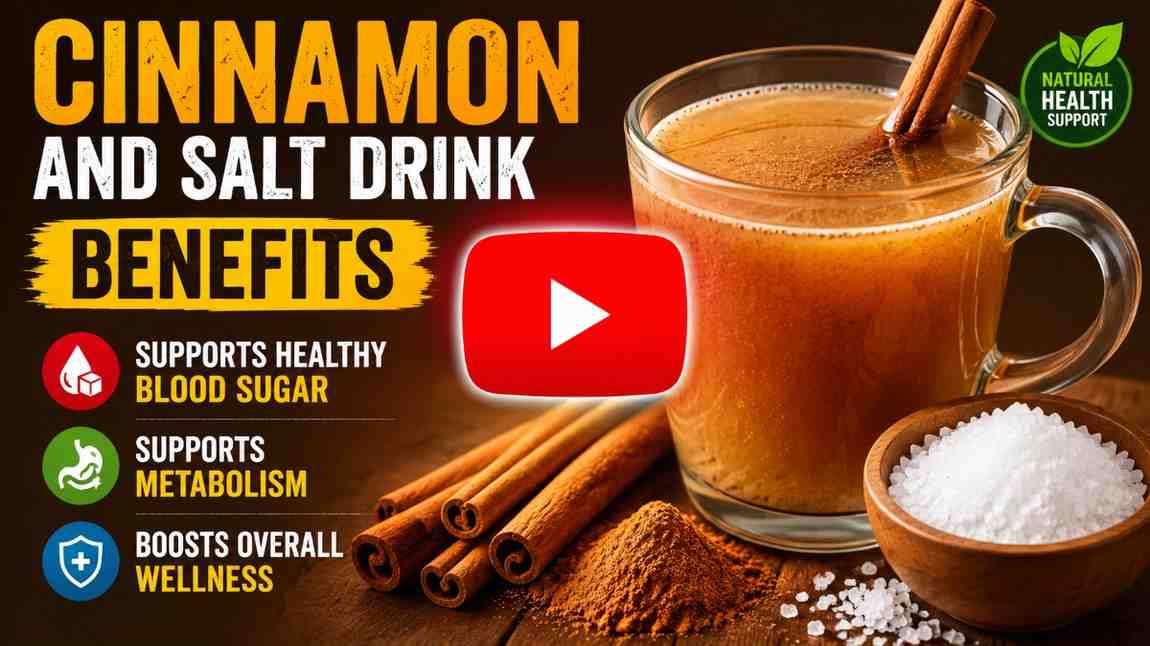

In this article, we will explore the cinnamon and salt drink benefits, the science behind cinnamon’s blood sugar-supporting properties, the recipe, and its common uses to understand whether this popular wellness trend is worth considering.
What Is a Cinnamon and Salt Drink?
A Cinnamon and Salt Drink is a beverage made by mixing cinnamon and a small amount of salt into water. Some variations also include lemon juice, honey, apple cider vinegar, or warm water for added flavor and potential wellness benefits.
The drink is commonly consumed:
- First thing in the morning
- Before workouts
- After exercise
- During fasting periods
- As part of wellness routines
The popularity of this drink stems from the fact that both cinnamon and salt have been used in traditional dietary practices for centuries.
While cinnamon is known for its distinctive aroma and antioxidant content, salt is an essential mineral that helps regulate fluid balance, muscle function, and nerve signaling.
Understanding the Key Ingredients
Cinnamon
Cinnamon is a spice obtained from the bark of trees belonging to the Cinnamomum family. It has been used in cooking and traditional wellness practices for thousands of years.
The two most common varieties are:
Ceylon Cinnamon
Often called “true cinnamon,” Ceylon cinnamon contains lower levels of coumarin and is generally considered the preferred option for regular use.
Cassia Cinnamon
Cassia cinnamon is the most common type found in grocery stores. It has a stronger flavor but contains higher levels of coumarin, which may be a concern with excessive consumption.
Cinnamon contains natural plant compounds such as:
- Cinnamaldehyde
- Polyphenols
- Antioxidants
- Flavonoids
These compounds contribute to cinnamon’s potential health-promoting properties.
Salt
Salt primarily consists of sodium chloride.
Sodium is an essential electrolyte that helps:
- Maintain fluid balance
- Support nerve function
- Aid muscle contractions
- Regulate hydration levels
Common options include:
- Sea salt
- Himalayan pink salt
- Celtic salt
- Table salt
While sodium is necessary for health, excessive intake may contribute to elevated blood pressure in some individuals.
Why Has the Cinnamon and Salt Drink Become Popular?
Several factors have contributed to the popularity of this beverage.
- Simplicity: The drink requires only two ingredients that most households already have on hand.
- Low Cost: Unlike expensive supplements or wellness products, cinnamon and salt are inexpensive and widely accessible.
- Social Media Trends: Many wellness influencers promote cinnamon-based drinks as part of healthy lifestyle habits, increasing public curiosity.
- Natural Wellness Interest: Consumers are increasingly seeking natural beverages as alternatives to sugary drinks and processed energy beverages.

Potential Benefits of Cinnamon and Salt Drink
1. Supports Hydration
One of the most discussed benefits of adding a small amount of salt to water is improved hydration.
Sodium plays an important role in maintaining electrolyte balance and helping the body retain appropriate fluid levels.
People who engage in intense exercise or experience significant sweating may lose electrolytes, making replenishment important.
When combined with water, salt can support hydration more effectively than plain water in certain situations.
2. Provides Antioxidant Compounds
Cinnamon is rich in antioxidants that help protect cells from oxidative stress.
Antioxidants help neutralize free radicals that can contribute to cellular damage over time.
Many nutrition experts consider cinnamon one of the most antioxidant-rich spices commonly available.
3. May Support Healthy Blood Sugar Management
Research suggests cinnamon may help support healthy glucose metabolism in some individuals.
Several studies have examined cinnamon’s potential role in:
- Improving insulin sensitivity
- Supporting glucose regulation
- Promoting metabolic health
While findings are encouraging, cinnamon should never replace professional medical care or prescribed treatments.
4. May Promote Digestive Comfort
Traditional wellness practices have long used cinnamon to support digestive function.
Some individuals report that cinnamon-containing beverages may help:
- Reduce occasional bloating
- Promote digestive comfort
- Support healthy digestion after meals
However, responses vary from person to person.
5. Supports Electrolyte Balance
Salt contains sodium, which serves as one of the body’s primary electrolytes.
Electrolytes help regulate:
- Hydration
- Muscle contractions
- Nerve signaling
- Physical performance
A small amount of salt added to water may assist electrolyte replenishment, particularly after sweating.
6. May Encourage Healthy Beverage Choices
Replacing sugar-loaded beverages with a cinnamon and salt drink can reduce overall sugar intake.
Many people enjoy cinnamon’s naturally sweet flavor, which may satisfy taste preferences without requiring added sugar.
7. May Support Workout Recovery
Some fitness enthusiasts consume cinnamon and salt water after exercise.
Potential reasons include:
- Replenishing sodium losses
- Supporting hydration
- Encouraging fluid intake
Although not a substitute for sports drinks in all situations, the beverage may serve as a simple hydration option.
8. May Support Heart-Healthy Habits
Research has investigated cinnamon’s potential effects on certain cardiovascular health markers.
Some studies suggest cinnamon may contribute to improvements in:
- Cholesterol levels
- Triglycerides
- Blood sugar regulation
However, more research is needed before drawing definitive conclusions.

How Cinnamon Works in the Body
The primary active compound in cinnamon is cinnamaldehyde.
Researchers believe cinnamaldehyde contributes to many of cinnamon’s observed biological effects.
Potential mechanisms include:
- Antioxidant activity
- Support for inflammatory balance
- Influence on glucose metabolism
- Interaction with insulin pathways
These mechanisms continue to be studied in clinical research settings.
How Salt Works in the Body
Salt is often misunderstood.
While excessive sodium intake can create health concerns for some individuals, sodium itself is an essential nutrient.
Sodium helps:
- Maintain Fluid Balance: The body carefully regulates sodium concentrations to control hydration.
- Support Nerve Communication: Nerves rely on sodium ions to transmit signals throughout the body.
- Enable Muscle Function: Muscles require sodium and other electrolytes to contract properly.
- Assist Physical Performance: Athletes often require electrolyte replacement during prolonged physical activity.
The key is moderation.
How to Make a Cinnamon and Salt Drink
Basic Cinnamon and Salt Drink Recipe
Ingredients
- 1 cup warm water
- ½ teaspoon cinnamon
- A small pinch of salt
Directions
- Warm the water.
- Add cinnamon.
- Stir thoroughly.
- Add a small pinch of salt.
- Mix well and drink.
Cinnamon and Salt Drink With Lemon
Ingredients
- 1 cup warm water
- ½ teaspoon cinnamon
- Pinch of salt
- Juice from half a lemon
Benefits
The addition of lemon provides:
- Vitamin C
- Fresh flavor
- Increased palatability
Cinnamon and Salt Drink With Honey
Ingredients
- Warm water
- Cinnamon
- Pinch of salt
- 1 teaspoon honey
This version offers a naturally sweet taste and may be easier for some individuals to enjoy.

Best Time to Drink Cinnamon and Salt Water
Morning
Many people consume the drink upon waking as part of a hydration routine.
Before Exercise
Some individuals use it before workouts to support hydration.
After Exercise
The drink may help replenish fluids and sodium lost through sweat.
During Fasting
A small amount of salt in water may help some people maintain electrolyte balance during fasting periods.
Who Might Benefit From This Drink?
The beverage may appeal to:
- Fitness enthusiasts
- Individuals seeking lower-sugar drink options
- People interested in natural wellness habits
- Those looking to increase water consumption
However, individual needs vary considerably.
Potential Risks and Considerations
Excess Sodium Intake
Too much salt may contribute to:
- Increased blood pressure in some individuals
- Fluid retention
- Increased thirst
Moderation is essential.
Excess Cinnamon Consumption
Large amounts of cassia cinnamon may expose users to higher levels of coumarin.
Excessive coumarin intake may pose concerns for liver health in susceptible individuals.
Choosing Ceylon cinnamon can reduce this concern.
Allergic Reactions
Although uncommon, some individuals may experience sensitivity to cinnamon.
Not a Medical Treatment
The Cinnamon and Salt Drink should be viewed as a dietary beverage rather than a treatment for any medical condition.
Common Myths About Cinnamon and Salt Drink
Myth #1: It Instantly Burns Fat
There is no scientific evidence showing that this drink directly melts body fat.
Weight management depends on multiple factors, including diet, activity levels, sleep, and overall lifestyle.
Myth #2: It Cures Diabetes
Cinnamon may support healthy blood sugar management, but it does not cure diabetes.
Myth #3: More Cinnamon Means Better Results
Excessive cinnamon intake can create unnecessary risks.
Moderate consumption is generally recommended.
Myth #4: All Salts Are Dramatically Different
While specialty salts contain trace minerals, sodium remains the primary component in most salt varieties.
Conclusion
The Cinnamon and Salt Drink is a simple beverage made from two common kitchen ingredients that have attracted significant attention in the wellness community.
Cinnamon provides antioxidant compounds and has been studied for its potential effects on blood sugar regulation and metabolic health, while salt supplies sodium, an essential electrolyte involved in hydration and muscle function.
Although some potential benefits exist, the drink is not a miracle solution and should not replace medical advice, prescribed treatments, or a balanced diet.
When prepared with moderate amounts of cinnamon and salt, it can be a flavorful alternative to sugary beverages and may fit well into a healthy lifestyle.
As with any dietary habit, moderation remains the key. Choosing high-quality ingredients, maintaining realistic expectations, and focusing on overall wellness practices will provide the greatest long-term benefits.
Frequently Asked Questions
Can I drink cinnamon and salt water every day?
Many healthy adults can enjoy it occasionally in moderate amounts, but daily use should fit within overall dietary sodium recommendations.
Is Himalayan salt better than regular salt?
Himalayan salt contains trace minerals, but both provide sodium and should be used in moderation.
What type of cinnamon is best?
Ceylon cinnamon is often preferred because it contains lower levels of coumarin.
Can the drink help with hydration?
A small amount of salt may support hydration and electrolyte balance, especially after sweating.
Can I drink it before bed?
Yes, although many people prefer consuming it earlier in the day.
Does it help with weight loss?
No beverage alone causes significant weight loss. Sustainable weight management depends on overall lifestyle habits.
References
.
About Us
