5 Most Affordable GLP-1 Covered by Insurance – 2026 Guide
Introduction
GLP-1 medications have rapidly become one of the most talked-about breakthroughs in modern metabolic and weight management care.
Originally developed for type 2 diabetes, these drugs are now widely used for chronic weight management and cardiovascular risk reduction.
However, their high retail price—often exceeding $1,000 per month—makes insurance coverage the deciding factor in whether patients can realistically access them.
In 2026, insurance coverage for GLP-1 medications remains complex, inconsistent, and highly dependent on diagnosis, plan type, and prior authorization requirements.
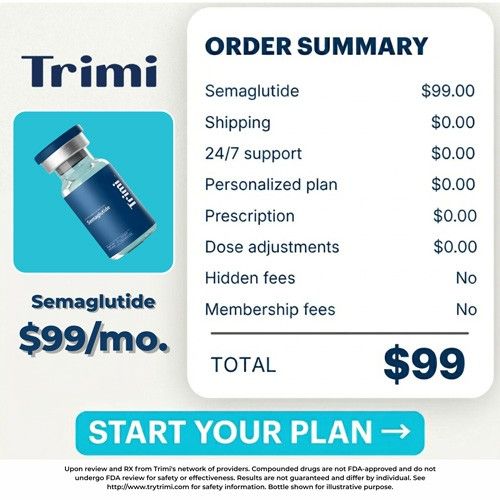
Ozempic, Rybelsus, Wegovy, Zepbound, and Saxenda are the 5 most affordable GLP-1s covered by insurance, depending on eligibility and diagnosis.
While some patients receive these medications for as little as $25–$50 per month through employer- or Medicare-linked programs, others pay full retail price.
The good news is that several GLP-1 medications still receive relatively broad insurance coverage across Medicare Part D (for diabetes), Medicaid (state-dependent), and many private employer plans.
This guide breaks down the 5 most affordable GLP-1 medications covered by insurance in 2026, how coverage works, who qualifies, and what you can realistically expect to pay out-of-pocket.
Why GLP-1 Coverage Varies So Much in 2026
Before diving into the medications themselves, it’s important to understand why insurance coverage differs so widely.
Most insurance plans categorize GLP-1 drugs into two separate buckets:
- Diabetes treatment (more likely covered)
- Weight loss treatment (often restricted or excluded)
Medications prescribed for type 2 diabetes are generally covered across Medicare Part D, Medicaid, and most commercial plans. However, GLP-1s prescribed strictly for obesity management often require:
- Prior authorization
- BMI documentation
- Proof of comorbid conditions (sleep apnea, hypertension, etc.)
- Step therapy (trying cheaper drugs first)
Even when coverage exists, copays vary dramatically depending on:
- Insurance tier placement
- Employer benefit design
- Manufacturer rebates
- State Medicaid policies
As a result, the same medication can cost anywhere from $25 to $1,400 per month depending on coverage structure.
👉 GLP-1 Starting At $59 Per Month – 100% Online
1. Ozempic (Semaglutide) — Most Widely Covered GLP-1 for Diabetes
Ozempic is often considered the most consistently covered GLP-1 medication in the United States due to its strong indication for the management of type 2 diabetes.
Why it’s affordable with insurance
Ozempic is typically placed on preferred formulary tiers in:
- Medicare Part D plans
- Medicaid programs
- Large employer insurance plans
Because it is primarily approved for diabetes, insurers are far more likely to approve it compared to weight-loss-only GLP-1s.
Typical insurance cost
- With insurance: $25–$150/month
- Without insurance: ~$900–$1,000+/month
Who qualifies for coverage
- Type 2 diabetes diagnosis (primary requirement)
- Sometimes cardiovascular risk factors
Why it ranks #1
Ozempic remains the most accessible GLP-1 globally covered under standard insurance pathways, making it the most affordable option for eligible patients.
2. Rybelsus (Oral Semaglutide) — Affordable Pill-Based Alternative
Rybelsus is the only widely available oral GLP-1 medication, making it a preferred option for patients who cannot tolerate injections.
Why insurance covers it
Like Ozempic, Rybelsus is primarily approved for type 2 diabetes, which increases its likelihood of coverage under:
- Medicare Part D
- Commercial insurance formularies
- Medicaid programs (varies by state)
Typical insurance cost
- With insurance: $10–$100/month
- Without insurance: $800–$1,200/month
Key advantages
- Oral tablet instead of injection
- Easier adherence for injection-averse patients
- Often placed in mid-tier formulary pricing
Coverage reality
Rybelsus is not typically used for weight loss alone, but for diabetic patients it is one of the most affordable GLP-1 options covered by insurance plans.
3. Wegovy (Semaglutide) — Leading Weight Loss GLP-1 with Select Coverage
Wegovy is one of the most well-known GLP-1 medications specifically approved for chronic weight management. However, insurance coverage is more limited compared to diabetes drugs.
Why coverage is improving in 2026
While historically difficult to access, Wegovy is now included in:
- Select employer-sponsored plans
- Certain Medicare demonstration programs (temporary bridge programs starting 2026 in some regions)
- Some Medicaid programs (state-dependent)
Typical insurance cost
- With insurance: $50–$300/month
- Without insurance: $1,000–$1,400/month
Eligibility requirements
- BMI ≥30, or ≥27 with comorbidities
- Prior authorization required in most cases
- Step therapy often required first
Why it matters
Wegovy is one of the most effective GLP-1 weight loss therapies, and despite stricter approval rules, it remains one of the most affordable weight-loss GLP-1s when covered by insurance.
👉 Try the Best GLP-1 of 2026 That’s Working for Thousands
4. Zepbound (Tirzepatide) — Powerful Dual-Action GLP-1 with Growing Coverage
Zepbound is one of the newest and most advanced GLP-1 medications, combining GLP-1 and GIP receptor activity for enhanced weight loss and metabolic control.
Insurance coverage trends
Coverage is increasing slowly due to:
- Strong clinical outcomes
- Employer demand for obesity treatment
- Competitive pricing programs from manufacturers
However, approval still depends heavily on:
- Employer health plan design
- Prior authorization
- Diagnosis of obesity with comorbid conditions
Typical insurance cost
- With insurance: $25–$250/month
- Without insurance: $1,000–$1,300/month
Key benefit
Zepbound often achieves higher average weight loss than older GLP-1 medications, making it a preferred option in modern treatment plans.
Why it ranks high
Despite tighter restrictions, it is increasingly included in employer formularies, making it one of the fastest-growing affordable GLP-1 options covered by insurance.
5. Saxenda (Liraglutide) — Older but Still Widely Covered Option
Saxenda is one of the earliest GLP-1 medications approved specifically for weight loss. While newer drugs have surpassed it in effectiveness, it still maintains relatively stable insurance coverage.
Why insurers still cover it
- Longer market history
- Lower negotiated pricing compared to newer GLP-1s
- Included in many step-therapy pathways
Typical insurance cost
- With insurance: $30–$200/month
- Without insurance: $800–$1,200/month
Limitations
- Daily injection (less convenient)
- Slightly lower weight-loss effectiveness compared to newer GLP-1s
- Often used as a “first-line” obesity medication before approving newer options
Why it still matters
Saxenda remains a key entry-level GLP-1 option in many insurance formularies, making it a budget-friendly starting point in structured weight management programs.
👉 Forbes Reveals Clear GLP-1 Winner For Affordability 2026
Potential Reactions to GLP-1 Medications
GLP-1 medications can cause side effects, particularly digestive symptoms. These effects are often more noticeable when treatment begins or when the dosage is increased.
🔹 Commonly Reported Effects Include:
- Nausea
- Vomiting
- Diarrhea
- Constipation
- Abdominal discomfort
- Indigestion
- Bloating
- Reduced appetite
- Heartburn
For some people, these symptoms may improve as the body adjusts to the medication. However, more serious problems can occur in some cases, including pancreatitis, gallbladder complications, kidney injury associated with dehydration, severe gastrointestinal reactions, and serious allergic reactions.
Low blood sugar can also occur, particularly when certain GLP-1 medications are used alongside insulin or diabetes medications that increase insulin release.
Seek medical attention promptly if symptoms are severe, persistent, or unusual.
When You Should Get Medical Guidance Before Starting a GLP-1
GLP-1 medications can be appropriate for many people, but they are not suitable for everyone. Speaking with a qualified healthcare professional before starting treatment is especially important if you:
- Have previously had pancreatitis
- Have gallbladder problems or gallbladder disease
- Have a serious or ongoing gastrointestinal condition
- Have diabetes and use insulin
- Take medications that may cause low blood sugar (hypoglycemia)
- Have kidney disease or reduced kidney function
- Are pregnant or planning to become pregnant
- Are breastfeeding
- Have a personal or family history of medullary thyroid carcinoma (MTC)
- Have Multiple Endocrine Neoplasia syndrome type 2 (MEN 2)
- Are preparing for surgery or a procedure involving deep sedation
- Are already taking another GLP-1 medication
A doctor can review your medical history, current medications, and individual risk factors to determine whether a GLP-1 medication is appropriate and how it should be used.
Do not combine different GLP-1 medications or therapies unless your healthcare professional specifically instructs you to do so.
👉 Get GLP-1 At $59 Per Month (Limited Time Offer)
How to Increase Your Chances of Insurance Approval
Even if a GLP-1 is listed on your plan, approval is not automatic. Here are the most effective strategies used in 2026:
1. Strong medical documentation
- BMI records
- Blood pressure, cholesterol, glucose levels
- Obesity-related conditions
2. Prior authorization support
Your healthcare provider must clearly justify medical necessity.
3. Step therapy compliance
Insurance may require:
- Metformin (for diabetes)
- Lifestyle intervention attempts
- Older medications first
4. Employer plan review
Employer-sponsored insurance is often more flexible than individual marketplace plans.
Final Thoughts
References
- https://www.mayoclinic.org/drugs-supplements/tirzepatide-subcutaneous-route/description/drg-20534045
.
About Us