
24 Best Fat Burners for Men 2026 : Top Fat Loss Strategies
In 2026, losing fat effectively is about strategy, not shortcuts. For men, achieving sustainable fat loss goes beyond trendy pills or gimmicks; it requires a deep understanding of how the body burns fat, how hormones and metabolism play a role, and how lifestyle choices can make or break results.
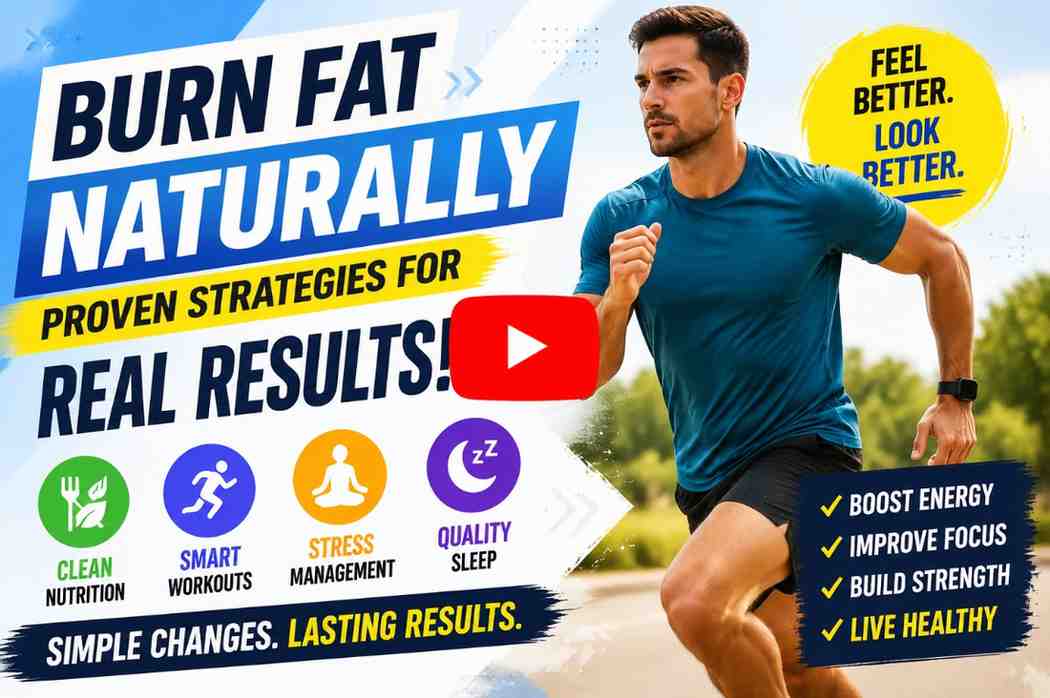
Combining smart nutrition, targeted exercise, adequate sleep, and stress management creates the foundation for real progress.
This guide dives into evidence-based strategies, natural fat-burning support, and actionable tips designed specifically for men, helping you burn fat efficiently, maintain lean muscle, and improve overall health and performance all without relying on unsafe or unproven supplements.

What “Fat Burners” Are — and What They’re Not
When people search for “best fat burners for men,” they’re often thinking about supplements marketed to increase metabolism or accelerate weight loss. High‑profile ingredients like caffeine, green tea extract, CLA, carnitine, yohimbine, and others are commonly included in such formulas.
But here’s the truth:
- The term “fat burner” is a marketing term, not a medical designation.
- Most fat burning happens through daily energy balance, how many calories you take in versus how many you burn.
- Some compounds may modestly increase metabolism or energy expenditure, but effects are often small and inconsistent.
- Supplements can interact with medications or underlying health conditions. Their contents and dosages are not strictly regulated in many countries.
A balanced approach that prioritizes nutrition, training, sleep, and metabolism management is far more effective and safer than relying solely on pills.
How Fat Loss Really Works (Backed by Science)
To understand fat burning, we must first understand energy balance.
Calories In vs Calories Out
At its simplest:
- Calories in = energy from food and drink
- Calories out = energy used for resting metabolism, activity, digestion, and exercise
If you consume more calories than you burn, the excess gets stored — often as fat.
To lose fat, you must create a calorie deficit. This can be done by:
- Eating slightly fewer calories
- Increasing physical activity
- Improving metabolic efficiency
This principle is supported by decades of metabolism research and remains foundational in weight management.
Hormones & Fat Metabolism in Men
Men’s fat metabolism differs from women’s in meaningful ways:
- Men tend to store more visceral fat (around organs) than women.
- Testosterone plays a role in muscle mass and metabolic rate. Testosterone tends to decline with age, which can affect fat levels.
- Insulin sensitivity, how well your body handles glucose, influences fat storage.
Understanding hormone health is critical in designing a fat loss strategy.
Safe, Evidence‑Based Strategies to Support Fat Loss
Here are 24 fat‑burning principles, strategies, and scientifically supported options you can use — many of which outperform risky supplements.
1. Structured Strength Training
Strength training is essential for building lean muscle mass, which naturally increases your resting metabolic rate. The more muscle you have, the more calories your body burns even at rest, making fat loss easier. Beyond burning calories, strength training improves overall body composition, enhances strength, and boosts daily physical performance.
2. High-Intensity Interval Training (HIIT)
HIIT alternates short bursts of intense activity with periods of rest, maximizing calorie burn in a limited time. It stimulates fat oxidation and elevates metabolism for hours after exercise, often referred to as the “afterburn” effect. This method is particularly effective for men aiming to shed stubborn fat while improving cardiovascular endurance.
3. Consistent Aerobic Activity
Regular aerobic exercises like running, cycling, swimming, or brisk walking steadily increase energy expenditure. These activities support heart health, improve stamina, and enhance overall metabolic efficiency. When paired with a balanced diet, aerobic activity helps create a sustainable calorie deficit that promotes gradual, healthy fat loss.
4. Optimize Daily Activity (NEAT)
Non-exercise activity thermogenesis, or NEAT, includes all the small movements throughout your day, from taking stairs to walking during phone calls. These seemingly minor activities add up to significant calorie expenditure over time. Integrating NEAT into your lifestyle can enhance metabolism and accelerate fat loss without formal workouts.
5. Eat Enough Protein
Consuming sufficient protein preserves muscle mass while in a calorie deficit, which prevents metabolic slowdown. Protein also promotes satiety, helping control hunger and reduce overeating. Incorporating lean meats, dairy, or plant-based proteins ensures your body burns fat while maintaining strength and muscle quality.
6. Balanced Macronutrients and Portion Control
Maintaining a balance between carbohydrates, fats, and proteins helps manage energy intake effectively. Portion control ensures a moderate calorie deficit without depriving the body of essential nutrients. Together, these strategies support steady fat loss while preserving energy and metabolic health.
7. Mindful Eating and Tracking
Mindful eating involves paying close attention to hunger cues, food choices, and portion sizes. Tracking meals, even occasionally, increases awareness of caloric intake and eating patterns. This conscious approach helps prevent overeating and encourages sustainable weight management.
8. Support Sleep Quality
Adequate, high-quality sleep regulates hormones such as ghrelin and leptin, which control hunger and fullness. Poor sleep increases cravings and can lead to overeating, slowing fat loss. Prioritizing 7–9 hours of sleep per night improves recovery, energy levels, and overall metabolic function.
9. Manage Stress
Chronic stress elevates cortisol levels, which can promote fat storage, especially around the abdomen. Stress management techniques like meditation, deep breathing, or light exercise reduce hormonal imbalance. Controlling stress helps maintain appetite regulation and supports a healthy fat-loss trajectory.
10. Hydration
Drinking sufficient water supports all metabolic processes and can slightly increase daily calorie expenditure. Staying hydrated also promotes satiety, reducing the likelihood of overeating. Adequate hydration is particularly important during workouts to maximize performance and fat-burning potential.
11. Whole Foods Over Ultra-Processed Foods
Whole, unprocessed foods are more nutrient-dense and filling compared to refined, packaged alternatives. They help regulate blood sugar, reduce cravings, and support long-term fat loss. Choosing vegetables, fruits, whole grains, and lean proteins creates a foundation for a healthier, metabolism-friendly diet.
12. Time-Restricted Eating (Optional)
Time-restricted eating involves consuming all meals within a set window, such as 8–10 hours per day. This approach can improve insulin sensitivity and encourage natural calorie reduction. While not necessary for everyone, it can complement exercise and nutrition strategies for some men.
13. Track Body Composition, Not Just Weight
Weight alone doesn’t reflect fat loss accurately, as muscle gain can offset fat reduction. Tracking body composition through measurements or scans provides a clearer picture of progress. Focusing on fat percentage and waist circumference helps guide adjustments in diet and exercise.
14. Professional Guidance
Consulting with certified trainers, dietitians, or healthcare providers ensures personalized, effective strategies. Professional guidance helps optimize exercise, nutrition, and recovery while minimizing risks. Tailored plans increase adherence and improve long-term fat-loss outcomes.
15. Moderate Caffeine Intake (If Tolerated)
Caffeine can slightly increase energy expenditure and enhance fat oxidation during exercise. It also boosts alertness and performance, making workouts more effective. Moderation is key, as excessive intake may cause jitteriness, sleep disruption, or elevated heart rate.
16. Green Tea Compounds (EGCG)
Epigallocatechin gallate (EGCG) in green tea may modestly enhance metabolism and fat oxidation. When combined with exercise, it can contribute to gradual fat loss. While the effects are not dramatic, green tea provides additional antioxidants and overall health benefits.
17. Creatine for Strength and Muscle
Creatine improves strength and muscle performance, indirectly supporting fat loss through better workouts. Increased muscle mass raises resting metabolism, helping burn more calories. It’s particularly effective when combined with structured resistance training programs.
18. Focus on Long-Term, Not Quick Fixes
Rapid fat-loss methods often lead to muscle loss, metabolic slowdown, and rebound weight gain. Sustainable strategies emphasize small, consistent changes in diet and activity. Long-term adherence yields healthier, more lasting results than extreme measures.
19. Avoid Extreme Calorie Cutting
Severely restricting calories can trigger muscle breakdown and reduce metabolic rate. Moderate, sustainable deficits preserve lean mass while promoting fat loss. Maintaining energy levels ensures consistent performance in workouts and daily activities.
20. Track Progress and Adjust
Monitoring metrics such as weight, body composition, and performance enables informed adjustments. Men respond differently to exercise and diet, so periodic evaluation ensures optimal results. Flexibility in strategy improves adherence and prevents plateaus.
21. Avoid Crash Diets and Fads
Trendy diets often promise quick results but are rarely sustainable. They can lead to nutrient deficiencies and long-term weight regain. Focusing on evidence-based, balanced approaches is safer and more effective for consistent fat loss.
22. Monitor Hormones If Indicated
Low testosterone or thyroid dysfunction can contribute to stubborn fat accumulation. Testing hormone levels and addressing imbalances may accelerate fat loss and improve energy. Clinical oversight ensures safe and effective interventions.
23. Understand Individual Variability
Genetics, lifestyle, and metabolic rate influence how men respond to fat-loss strategies. Personalizing exercise, diet, and recovery plans maximizes results. Recognizing these differences prevents frustration and promotes realistic expectations.
24. Use Caution with Supplements — If Any
Some natural compounds, such as caffeine and green tea extract, have modest fat-burning effects. Supplements should complement, not replace, a healthy lifestyle. Always consult a healthcare professional before starting any product to ensure safety and effectiveness.
Natural Ingredients With Some Evidence (Not Endorsements)
Rather than specific products, here are common ingredients studied for metabolic effects:
✔ Caffeine — increases alertness and energy expenditure modestly
✔ Green tea extract (EGCG) — may slightly boost fat oxidation
✔ Protein supplements (whey, etc.) — help satiety and muscle preservation
✔ Fiber — supports digestion and fullness
Note: Individual responses vary significantly. Effects are often small and best combined with diet and exercise.
What to Ask Your Clinician Before Considering Any Fat‑Loss Product
Before trying any supplement marketed for fat loss, ask a healthcare provider:
- Is this safe with my health history?
- Could this interact with my medications?
- Are there alternatives with better evidence?
- Could hormonal imbalance be contributing to my fat gain?
- Should I get bloodwork before starting anything?
Medical oversight increases safety and effectiveness.
Why Quick “Fat Burner” Pills Often Fail
Many marketed fat‑burning supplements:
- Contain stimulants that raise heart rate and blood pressure
- Have poorly defined ingredient lists
- Are not FDA‑regulated for safety or purity
- Overpromise benefits without substantial evidence
For safe, sustainable fat loss, foundational lifestyle changes always outperform quick fixes.
Putting It All Together — A 2026 Fat Loss Roadmap for Men
Here’s how a modern, science‑based fat loss plan looks:
Phase 1: Establish Baselines
- Track intake for 1–2 weeks
- Measure waist, weight, and feelings of hunger
- Assess current activity level
Phase 2: Build a Metabolic Program
- Strength train 3–4 days/week
- Add HIIT and NEAT activity
- Adjust caloric intake to a moderate deficit
Phase 3: Fine‑Tune Habits
- Prioritize sleep and stress management
- Use protein and fiber to manage hunger
- Reassess and adjust every 2–4 weeks
Phase 4: Evaluate Supplements (If Appropriate)
- Only consider well‑studied, mild ingredients
- Use under medical supervision
- Combine with lifestyle strategy, not as a replacement
Key Takeaways — Your Fat Loss in 2026
✔ Fat loss is a metabolic and lifestyle process — not a pill
✔ Solid nutrition and training deliver the greatest results
✔ Sleep, stress, and hormones matter
✔ Natural ingredients may help modestly, but they’re not magic
✔ Safety and clinical guidance are essential
Men who succeed in losing fat in 2026 will be the ones who focus on validated strategies, evidence‑based habits, and sustainable routines not just the latest supplement craze.

References
https://en.wikipedia.org/wiki/Energy_balance
https://www.mayoclinic.org/healthy-lifestyle/weight-loss/in-depth/sleep/art-20048379
https://www.webmd.com/diet/obesity/weight-loss-cardio
.
About Us
